Published May 18, 2026

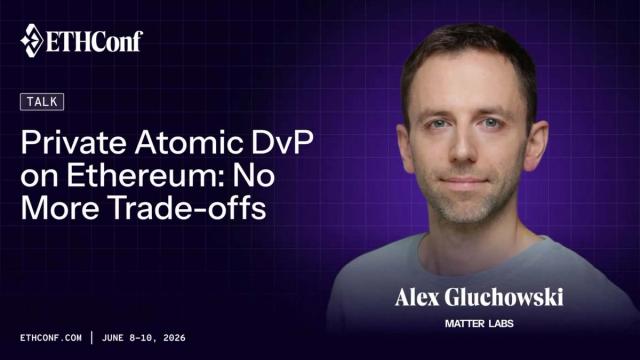
The Institutional Case for ZKsync with Alex Gluchowski​​​​‌‍​‍​‍‌‍‌​‍‌‍‍‌‌‍‌‌‍‍‌‌‍‍​‍​‍​‍‍​‍​‍‌​‌‍​‌‌‍‍‌‍‍‌‌‌​‌‍‌​‍‍‌‍‍‌‌‍​‍​‍​‍​​‍​‍‌‍‍​‌​‍‌‍‌‌‌‍‌‍​‍​‍​‍‍​‍​‍‌‍‍‌‍‍‌​‌‍‌‌‍‍‌‍​​‍‌‌‍‌‌‌‍‍‌‌​‌‍‌‌‌​‍‌​​‌​‍‌‍‍‌‌​‌‍‌‌​‍‍‌​‌‍​‌‌‍‍‌‍‍‌‌‌​‌‍‌​‍‍‌​‌‌​‌‌‌‌‍‌​‌‍‍‌‌‍​‍‌‍‍‌‌‍‍‌‌​‌‍‌‌‌‍‍‌‌​​‍‌‍‌‌‌‍‌​‌‍‍‌‌‌​​‍‌‍‌‌‍‌‍‌​‌‍‌‌​‌‌​​‌​‍‌‍‌‌‌​‌‍‌‌‌‍‍‌‌​‌‍​‌‌‌​‌‍‍‌‌‍‌‍‍​‍‌‍‍‌‌‍‌​​‌​‍​‌‍​‍​​​​​‍​​​‍‌‌‍​‌‌‍‌‍​‍‌​‌‍‌‍‌‌‌‍‌​​​‍​‍‌​‌​​‍​​​‌​‌​​‍‌‌‍​‌‌‍‌‍​‌‌‌‍​​‍‌‌‍‌‍‌‍‌​‌‍​‍‌‍‌‍‌‍‌‌​​‍​​‌​​‌​‌‌​​​​​‍​​​‍‌‌​‌‍‌‌​​‌‍‌‌​‌‌‌‍‌‍‍‌‌‍‌​‌‍‌‌‌‍‌​‍‌‌‍‍‌‌​‌‍‌‌‌​‍‌‌‍‌‍‍‌‌‍‌‌‌‌​‍‌​​‌‍​‌‌‌​‌‍‍​​‌‌‌​‌‍‍‌‌‌​‌‍​‌‍‌‌​‌‍​‍‌‍​‌‌​‌‍‌‌‌‌‌‌‌​‍‌‍​​‌‌‍‍‌‍‍‌​‌‍‌‌‍‍‌‍​​‍‌‌‍‌‌‌‍‍‌‌​‌‍‌‌‌​‍‌​​‌​‍‌‍‍‌‌​‌‍‌‌​‍‍‌​‌‍​‌‌‍‍‌‍‍‌‌‌​‌‍‌​‍‍‌​‌‌​‌‌‌‌‍‌​‌‍‍‌‌‍​‍‌‍‌‍‍‌‌‍‌​​‌​‍​‌‍​‍​​​​​‍​​​‍‌‌‍​‌‌‍‌‍​‍‌​‌‍‌‍‌‌‌‍‌​​​‍​‍‌​‌​​‍​​​‌​‌​​‍‌‌‍​‌‌‍‌‍​‌‌‌‍​​‍‌‌‍‌‍‌‍‌​‌‍​‍‌‍‌‍‌‍‌‌​​‍​​‌​​‌​‌‌​​​​​‍​​​‍‌‍‌‌​‌‍‌‌​​‌‍‌‌​‌‌‌‍‌‍‍‌‌‍‌​‌‍‌‌‌‍‌​‍‌‌‍‍‌‌​‌‍‌‌‌​‍‌‌‍‌‍‍‌‌‍‌‌‌‌​‍‌‍‌​​‌‍​‌‌‌​‌‍‍​​‌‌‌​‌‍‍‌‌‌​‌‍​‌‍‌‌​‍‌‍‌​​‌‍‌‌‌​‍‌​‌​​‌‍‌‌‌‍​‌‌​‌‍‍‌‌‌‍‌‍‌‌​‌‌​​‌‌‌‌‍​‍‌‍​‌‍‍‌‌​‌‍‍​‌‍‌‌‌‍‌​​‍​‍‌‌

Transcript

The Institutional Case for ZKsync with Alex Gluchowski — Transcript
The DCo Podcast | Saurabh Deshpande | May 14, 2026​​​​‌‍​‍​‍‌‍‌​‍‌‍‍‌‌‍‌‌‍‍‌‌‍‍​‍​‍​‍‍​‍​‍‌​‌‍​‌‌‍‍‌‍‍‌‌‌​‌‍‌​‍‍‌‍‍‌‌‍​‍​‍​‍​​‍​‍‌‍‍​‌​‍‌‍‌‌‌‍‌‍​‍​‍​‍‍​‍​‍‌‍‍‌‍‍‌​‌‍‌‌‍‍‌‍​​‍‌‌‍‌‌‌‍‍‌‌​‌‍‌‌‌​‍‌​​‌​‍‌‍‍‌‌​‌‍‌‌​‍‍‌​‌‍​‌‌‍‍‌‍‍‌‌‌​‌‍‌​‍‍‌​‌‌​‌‌‌‌‍‌​‌‍‍‌‌‍​‍‌‍‍‌‌‍‍‌‌​‌‍‌‌‌‍‍‌‌​​‍‌‍‌‌‌‍‌​‌‍‍‌‌‌​​‍‌‍‌‌‍‌‍‌​‌‍‌‌​‌‌​​‌​‍‌‍‌‌‌​‌‍‌‌‌‍‍‌‌​‌‍​‌‌‌​‌‍‍‌‌‍‌‍‍​‍‌‍‍‌‌‍‌​​‌​‍​‌‍​‍​​​​​‍​​​‍‌‌‍​‌‌‍‌‍​‍‌​‌‍‌‍‌‌‌‍‌​​​‍​‍‌​‌​​‍​​​‌​‌​​‍‌‌‍​‌‌‍‌‍​‌‌‌‍​​‍‌‌‍‌‍‌‍‌​‌‍​‍‌‍‌‍‌‍‌‌​​‍​​‌​​‌​‌‌​​​​​‍​​​‍‌‌​‌‍‌‌​​‌‍‌‌​‌‌‌‍‌‍‍‌‌‍‌​‌‍‌‌‌‍‌​‍‌‌‍‍‌‌​‌‍‌‌‌​‍‌‌‍‌‍‍‌‌‍‌‌‌‌​‍‌​​‌‍​‌‌‌​‌‍‍​​‌‌‌​‌​‍‌‍​‌‌‍‍‌​‌‍​‌​‍‌‍‍‌‌​​‌‌​​‍‌‌​‌‌‌​​‍‌‌‌‍‍‌‍‌‌‌‍‌​‍‌‌​​‌​‌​​‍‌‌​​‌​‌​​‍‌‌​​‍​​‍​‌‍​‌‍‌‍‌‍‌‍​‌‍​‌​‍‌​​​‌​​‌‍​​​‌‍‌‌‌‍‌‌​‍‌‌​​‍​​‍​‍‌‌​‌‌‌​‌​​‍‍‌‍​‌‍‍​‌‍‍‌‌‍​‌‍‌​‌​‍‌‍‌‌‌‍‍​‍‌‌​‌‌‌​​‍‌‌‌‍‍‌‍‌‌‌‍‌​‍‌‌​​‌​‌​​‍‌‌​​‌​‌​​‍‌‌​​‍​​‍​‌​‌‍‌‍​​‌​‌​​‌‌‌‍‌‍‌‍‌​‌‍​‌​​‌‌‍‌​​​‌​‍‌‌​​‍​​‍​‍‌‌​‌‌‌​‌​​‍‍‌‌​‌‍‌‌‌‍​‌‌​​‌‍​‍‌‍​‌‌​‌‍‌‌‌‌‌‌‌​‍‌‍​​‌‌‍‍‌‍‍‌​‌‍‌‌‍‍‌‍​​‍‌‌‍‌‌‌‍‍‌‌​‌‍‌‌‌​‍‌​​‌​‍‌‍‍‌‌​‌‍‌‌​‍‍‌​‌‍​‌‌‍‍‌‍‍‌‌‌​‌‍‌​‍‍‌​‌‌​‌‌‌‌‍‌​‌‍‍‌‌‍​‍‌‍‌‍‍‌‌‍‌​​‌​‍​‌‍​‍​​​​​‍​​​‍‌‌‍​‌‌‍‌‍​‍‌​‌‍‌‍‌‌‌‍‌​​​‍​‍‌​‌​​‍​​​‌​‌​​‍‌‌‍​‌‌‍‌‍​‌‌‌‍​​‍‌‌‍‌‍‌‍‌​‌‍​‍‌‍‌‍‌‍‌‌​​‍​​‌​​‌​‌‌​​​​​‍​​​‍‌‍‌‌​‌‍‌‌​​‌‍‌‌​‌‌‌‍‌‍‍‌‌‍‌​‌‍‌‌‌‍‌​‍‌‌‍‍‌‌​‌‍‌‌‌​‍‌‌‍‌‍‍‌‌‍‌‌‌‌​‍‌‍‌​​‌‍​‌‌‌​‌‍‍​​‌‌‌​‌​‍‌‍​‌‌‍‍‌​‌‍​‌​‍‌‍‍‌‌​​‌‌​​‍‌‌​‌‌‌​​‍‌‌‌‍‍‌‍‌‌‌‍‌​‍‌‌​​‌​‌​​‍‌‌​​‌​‌​​‍‌‌​​‍​​‍​‌‍​‌‍‌‍‌‍‌‍​‌‍​‌​‍‌​​​‌​​‌‍​​​‌‍‌‌‌‍‌‌​‍‌‌​​‍​​‍​‍‌‌​‌‌‌​‌​​‍‍‌‍​‌‍‍​‌‍‍‌‌‍​‌‍‌​‌​‍‌‍‌‌‌‍‍​‍‌‌​‌‌‌​​‍‌‌‌‍‍‌‍‌‌‌‍‌​‍‌‌​​‌​‌​​‍‌‌​​‌​‌​​‍‌‌​​‍​​‍​‌​‌‍‌‍​​‌​‌​​‌‌‌‍‌‍‌‍‌​‌‍​‌​​‌‌‍‌​​​‌​‍‌‌​​‍​​‍​‍‌‌​‌‌‌​‌​​‍‍‌‌​‌‍‌‌‌‍​‌‌​​‍‌‍‌​​‌‍‌‌‌​‍‌​‌​​‌‍‌‌‌‍​‌‌​‌‍‍‌‌‌‍‌‍‌‌​‌‌​​‌‌‌‌‍​‍‌‍​‌‍‍‌‌​‌‍‍​‌‍‌‌‌‍‌​​‍​‍‌‌

00:00:00 Alex Gluchowski: I know that it feels like a bear market to most of crypto people. We have a completely different sentiment when we talk to institutional customers. They are excited. Their energy there is going through the roof.​​​​‌‍​‍​‍‌‍‌​‍‌‍‍‌‌‍‌‌‍‍‌‌‍‍​‍​‍​‍‍​‍​‍‌​‌‍​‌‌‍‍‌‍‍‌‌‌​‌‍‌​‍‍‌‍‍‌‌‍​‍​‍​‍​​‍​‍‌‍‍​‌​‍‌‍‌‌‌‍‌‍​‍​‍​‍‍​‍​‍‌‍‍‌‍‍‌​‌‍‌‌‍‍‌‍​​‍‌‌‍‌‌‌‍‍‌‌​‌‍‌‌‌​‍‌​​‌​‍‌‍‍‌‌​‌‍‌‌​‍‍‌​‌‍​‌‌‍‍‌‍‍‌‌‌​‌‍‌​‍‍‌​‌‌​‌‌‌‌‍‌​‌‍‍‌‌‍​‍‌‍‍‌‌‍‍‌‌​‌‍‌‌‌‍‍‌‌​​‍‌‍‌‌‌‍‌​‌‍‍‌‌‌​​‍‌‍‌‌‍‌‍‌​‌‍‌‌​‌‌​​‌​‍‌‍‌‌‌​‌‍‌‌‌‍‍‌‌​‌‍​‌‌‌​‌‍‍‌‌‍‌‍‍​‍‌‍‍‌‌‍‌​​‌​‍​‌‍​‍​​​​​‍​​​‍‌‌‍​‌‌‍‌‍​‍‌​‌‍‌‍‌‌‌‍‌​​​‍​‍‌​‌​​‍​​​‌​‌​​‍‌‌‍​‌‌‍‌‍​‌‌‌‍​​‍‌‌‍‌‍‌‍‌​‌‍​‍‌‍‌‍‌‍‌‌​​‍​​‌​​‌​‌‌​​​​​‍​​​‍‌‌​‌‍‌‌​​‌‍‌‌​‌‌‌‍‌‍‍‌‌‍‌​‌‍‌‌‌‍‌​‍‌‌‍‍‌‌​‌‍‌‌‌​‍‌‌‍‌‍‍‌‌‍‌‌‌‌​‍‌​​‌‍​‌‌‌​‌‍‍​​‌‌‌​‌​‍‌‍​‌‌‍‍‌​‌‍​‌​‍‌‍‍‌‌​​‌‌​​‍‌‌​‌‌‌​​‍‌‌‌‍‍‌‍‌‌‌‍‌​‍‌‌​​‌​‌​​‍‌‌​​‌​‌​​‍‌‌​​‍​​‍​‌‌‌‍​‍​‌​​‌​​​‌‍​‌‌‍‌‍​​‌‌‍​​​‌‌‍​‌​​​‍‌‌​​‍​​‍​‍‌‌​‌‌‌​‌​​‍‍‌‍​‌‍‍​‌‍‍‌‌‍​‌‍‌​‌​‍‌‍‌‌‌‍‍​‍‌‌​‌‌‌​​‍‌‌‌‍‍‌‍‌‌‌‍‌​‍‌‌​​‌​‌​​‍‌‌​​‌​‌​​‍‌‌​​‍​​‍​​‌‍‌​​‍‌​‌‌​​​​​​​‌​​‌​‌​‌‍‌‌‌‍​‍‌‍​‍​‍‌‌​​‍​​‍​‍‌‌​‌‌‌​‌​​‍‍‌‌​‌‍‌‌‌‍​‌‌​​‌‍​‍‌‍​‌‌​‌‍‌‌‌‌‌‌‌​‍‌‍​​‌‌‍‍‌‍‍‌​‌‍‌‌‍‍‌‍​​‍‌‌‍‌‌‌‍‍‌‌​‌‍‌‌‌​‍‌​​‌​‍‌‍‍‌‌​‌‍‌‌​‍‍‌​‌‍​‌‌‍‍‌‍‍‌‌‌​‌‍‌​‍‍‌​‌‌​‌‌‌‌‍‌​‌‍‍‌‌‍​‍‌‍‌‍‍‌‌‍‌​​‌​‍​‌‍​‍​​​​​‍​​​‍‌‌‍​‌‌‍‌‍​‍‌​‌‍‌‍‌‌‌‍‌​​​‍​‍‌​‌​​‍​​​‌​‌​​‍‌‌‍​‌‌‍‌‍​‌‌‌‍​​‍‌‌‍‌‍‌‍‌​‌‍​‍‌‍‌‍‌‍‌‌​​‍​​‌​​‌​‌‌​​​​​‍​​​‍‌‍‌‌​‌‍‌‌​​‌‍‌‌​‌‌‌‍‌‍‍‌‌‍‌​‌‍‌‌‌‍‌​‍‌‌‍‍‌‌​‌‍‌‌‌​‍‌‌‍‌‍‍‌‌‍‌‌‌‌​‍‌‍‌​​‌‍​‌‌‌​‌‍‍​​‌‌‌​‌​‍‌‍​‌‌‍‍‌​‌‍​‌​‍‌‍‍‌‌​​‌‌​​‍‌‌​‌‌‌​​‍‌‌‌‍‍‌‍‌‌‌‍‌​‍‌‌​​‌​‌​​‍‌‌​​‌​‌​​‍‌‌​​‍​​‍​‌‌‌‍​‍​‌​​‌​​​‌‍​‌‌‍‌‍​​‌‌‍​​​‌‌‍​‌​​​‍‌‌​​‍​​‍​‍‌‌​‌‌‌​‌​​‍‍‌‍​‌‍‍​‌‍‍‌‌‍​‌‍‌​‌​‍‌‍‌‌‌‍‍​‍‌‌​‌‌‌​​‍‌‌‌‍‍‌‍‌‌‌‍‌​‍‌‌​​‌​‌​​‍‌‌​​‌​‌​​‍‌‌​​‍​​‍​​‌‍‌​​‍‌​‌‌​​​​​​​‌​​‌​‌​‌‍‌‌‌‍​‍‌‍​‍​‍‌‌​​‍​​‍​‍‌‌​‌‌‌​‌​​‍‍‌‌​‌‍‌‌‌‍​‌‌​​‍‌‍‌​​‌‍‌‌‌​‍‌​‌​​‌‍‌‌‌‍​‌‌​‌‍‍‌‌‌‍‌‍‌‌​‌‌​​‌‌‌‌‍​‍‌‍​‌‍‍‌‌​‌‍‍​‌‍‌‌‌‍‌​​‍​‍‌‌

00:00:11 Saurabh Deshpande: Alex Gluchowski has one goal — onboard half of the world's 10,000 banks onto Ethereum in five years. He's the founder of Matter Labs, the team behind ZKsync, and his latest product, Prividium, might just be how it all happens.​​​​‌‍​‍​‍‌‍‌​‍‌‍‍‌‌‍‌‌‍‍‌‌‍‍​‍​‍​‍‍​‍​‍‌​‌‍​‌‌‍‍‌‍‍‌‌‌​‌‍‌​‍‍‌‍‍‌‌‍​‍​‍​‍​​‍​‍‌‍‍​‌​‍‌‍‌‌‌‍‌‍​‍​‍​‍‍​‍​‍‌‍‍‌‍‍‌​‌‍‌‌‍‍‌‍​​‍‌‌‍‌‌‌‍‍‌‌​‌‍‌‌‌​‍‌​​‌​‍‌‍‍‌‌​‌‍‌‌​‍‍‌​‌‍​‌‌‍‍‌‍‍‌‌‌​‌‍‌​‍‍‌​‌‌​‌‌‌‌‍‌​‌‍‍‌‌‍​‍‌‍‍‌‌‍‍‌‌​‌‍‌‌‌‍‍‌‌​​‍‌‍‌‌‌‍‌​‌‍‍‌‌‌​​‍‌‍‌‌‍‌‍‌​‌‍‌‌​‌‌​​‌​‍‌‍‌‌‌​‌‍‌‌‌‍‍‌‌​‌‍​‌‌‌​‌‍‍‌‌‍‌‍‍​‍‌‍‍‌‌‍‌​​‌​‍​‌‍​‍​​​​​‍​​​‍‌‌‍​‌‌‍‌‍​‍‌​‌‍‌‍‌‌‌‍‌​​​‍​‍‌​‌​​‍​​​‌​‌​​‍‌‌‍​‌‌‍‌‍​‌‌‌‍​​‍‌‌‍‌‍‌‍‌​‌‍​‍‌‍‌‍‌‍‌‌​​‍​​‌​​‌​‌‌​​​​​‍​​​‍‌‌​‌‍‌‌​​‌‍‌‌​‌‌‌‍‌‍‍‌‌‍‌​‌‍‌‌‌‍‌​‍‌‌‍‍‌‌​‌‍‌‌‌​‍‌‌‍‌‍‍‌‌‍‌‌‌‌​‍‌​​‌‍​‌‌‌​‌‍‍​​‌‌‌​‌​‍‌‍​‌‌‍‍‌​‌‍​‌​‍‌‍‍‌‌​​‌‌​​‍‌‌​‌‌‌​​‍‌‌‌‍‍‌‍‌‌‌‍‌​‍‌‌​​‌​‌​​‍‌‌​​‌​‌​​‍‌‌​​‍​​‍​‍‌​​​‌‍​​‍‌​​​​‍‌‍​‌​​​​‌‌‌‍‌‍​‌‍‌‍‌‌​‍‌‌​​‍​​‍​‍‌‌​‌‌‌​‌​​‍‍‌‍​‌‍‍​‌‍‍‌‌‍​‌‍‌​‌​‍‌‍‌‌‌‍‍​‍‌‌​‌‌‌​​‍‌‌‌‍‍‌‍‌‌‌‍‌​‍‌‌​​‌​‌​​‍‌‌​​‌​‌​​‍‌‌​​‍​​‍​‌‍​​​‍‌​‍‌​‌​​​​‍‌​​‌‌‍​‍​​‌‍​‌‌‍​​‍‌‌​​‍​​‍​‍‌‌​‌‌‌​‌​​‍‍‌‌​‌‍‌‌‌‍​‌‌​​‌‍​‍‌‍​‌‌​‌‍‌‌‌‌‌‌‌​‍‌‍​​‌‌‍‍‌‍‍‌​‌‍‌‌‍‍‌‍​​‍‌‌‍‌‌‌‍‍‌‌​‌‍‌‌‌​‍‌​​‌​‍‌‍‍‌‌​‌‍‌‌​‍‍‌​‌‍​‌‌‍‍‌‍‍‌‌‌​‌‍‌​‍‍‌​‌‌​‌‌‌‌‍‌​‌‍‍‌‌‍​‍‌‍‌‍‍‌‌‍‌​​‌​‍​‌‍​‍​​​​​‍​​​‍‌‌‍​‌‌‍‌‍​‍‌​‌‍‌‍‌‌‌‍‌​​​‍​‍‌​‌​​‍​​​‌​‌​​‍‌‌‍​‌‌‍‌‍​‌‌‌‍​​‍‌‌‍‌‍‌‍‌​‌‍​‍‌‍‌‍‌‍‌‌​​‍​​‌​​‌​‌‌​​​​​‍​​​‍‌‍‌‌​‌‍‌‌​​‌‍‌‌​‌‌‌‍‌‍‍‌‌‍‌​‌‍‌‌‌‍‌​‍‌‌‍‍‌‌​‌‍‌‌‌​‍‌‌‍‌‍‍‌‌‍‌‌‌‌​‍‌‍‌​​‌‍​‌‌‌​‌‍‍​​‌‌‌​‌​‍‌‍​‌‌‍‍‌​‌‍​‌​‍‌‍‍‌‌​​‌‌​​‍‌‌​‌‌‌​​‍‌‌‌‍‍‌‍‌‌‌‍‌​‍‌‌​​‌​‌​​‍‌‌​​‌​‌​​‍‌‌​​‍​​‍​‍‌​​​‌‍​​‍‌​​​​‍‌‍​‌​​​​‌‌‌‍‌‍​‌‍‌‍‌‌​‍‌‌​​‍​​‍​‍‌‌​‌‌‌​‌​​‍‍‌‍​‌‍‍​‌‍‍‌‌‍​‌‍‌​‌​‍‌‍‌‌‌‍‍​‍‌‌​‌‌‌​​‍‌‌‌‍‍‌‍‌‌‌‍‌​‍‌‌​​‌​‌​​‍‌‌​​‌​‌​​‍‌‌​​‍​​‍​‌‍​​​‍‌​‍‌​‌​​​​‍‌​​‌‌‍​‍​​‌‍​‌‌‍​​‍‌‌​​‍​​‍​‍‌‌​‌‌‌​‌​​‍‍‌‌​‌‍‌‌‌‍​‌‌​​‍‌‍‌​​‌‍‌‌‌​‍‌​‌​​‌‍‌‌‌‍​‌‌​‌‍‍‌‌‌‍‌‍‌‌​‌‌​​‌‌‌‌‍​‍‌‍​‌‍‍‌‌​‌‍‍​‌‍‌‌‌‍‌​​‍​‍‌‌

00:00:24 Alex Gluchowski: We're building systems that cannot be corrupted by people. We made this bet when the entire industry believed that zero knowledge proofs was nothing but a toy, and if it works, it can power all of world finance. If your two servers of Circle are compromised, they could mint arbitrary amount of USDC on the network without anyone being able to see what's happening — would be completely silent failure that propagates throughout the network. This is the largest opportunity I believe we've seen in the entire history of crypto.​​​​‌‍​‍​‍‌‍‌​‍‌‍‍‌‌‍‌‌‍‍‌‌‍‍​‍​‍​‍‍​‍​‍‌​‌‍​‌‌‍‍‌‍‍‌‌‌​‌‍‌​‍‍‌‍‍‌‌‍​‍​‍​‍​​‍​‍‌‍‍​‌​‍‌‍‌‌‌‍‌‍​‍​‍​‍‍​‍​‍‌‍‍‌‍‍‌​‌‍‌‌‍‍‌‍​​‍‌‌‍‌‌‌‍‍‌‌​‌‍‌‌‌​‍‌​​‌​‍‌‍‍‌‌​‌‍‌‌​‍‍‌​‌‍​‌‌‍‍‌‍‍‌‌‌​‌‍‌​‍‍‌​‌‌​‌‌‌‌‍‌​‌‍‍‌‌‍​‍‌‍‍‌‌‍‍‌‌​‌‍‌‌‌‍‍‌‌​​‍‌‍‌‌‌‍‌​‌‍‍‌‌‌​​‍‌‍‌‌‍‌‍‌​‌‍‌‌​‌‌​​‌​‍‌‍‌‌‌​‌‍‌‌‌‍‍‌‌​‌‍​‌‌‌​‌‍‍‌‌‍‌‍‍​‍‌‍‍‌‌‍‌​​‌​‍​‌‍​‍​​​​​‍​​​‍‌‌‍​‌‌‍‌‍​‍‌​‌‍‌‍‌‌‌‍‌​​​‍​‍‌​‌​​‍​​​‌​‌​​‍‌‌‍​‌‌‍‌‍​‌‌‌‍​​‍‌‌‍‌‍‌‍‌​‌‍​‍‌‍‌‍‌‍‌‌​​‍​​‌​​‌​‌‌​​​​​‍​​​‍‌‌​‌‍‌‌​​‌‍‌‌​‌‌‌‍‌‍‍‌‌‍‌​‌‍‌‌‌‍‌​‍‌‌‍‍‌‌​‌‍‌‌‌​‍‌‌‍‌‍‍‌‌‍‌‌‌‌​‍‌​​‌‍​‌‌‌​‌‍‍​​‌‌‌​‌​‍‌‍​‌‌‍‍‌​‌‍​‌​‍‌‍‍‌‌​​‌‌​​‍‌‌​‌‌‌​​‍‌‌‌‍‍‌‍‌‌‌‍‌​‍‌‌​​‌​‌​​‍‌‌​​‌​‌​​‍‌‌​​‍​​‍‌‍‌‍​​​‌‍‌‌​‍‌‌‍‌‌​​​​​​‍‌​​​‌‍​‍​​‌​‌‌​‍‌‌​​‍​​‍​‍‌‌​‌‌‌​‌​​‍‍‌‍​‌‍‍​‌‍‍‌‌‍​‌‍‌​‌​‍‌‍‌‌‌‍‍​‍‌‌​‌‌‌​​‍‌‌‌‍‍‌‍‌‌‌‍‌​‍‌‌​​‌​‌​​‍‌‌​​‌​‌​​‍‌‌​​‍​​‍​​‌​‌​​‌‌‍‌​​‍​‌‍​‍​‍‌‌‍‌‌​‍​‌‍‌‍​‌​​‌​​‍‌‌​​‍​​‍​‍‌‌​‌‌‌​‌​​‍‍‌‌​‌‍‌‌‌‍​‌‌​​‌‍​‍‌‍​‌‌​‌‍‌‌‌‌‌‌‌​‍‌‍​​‌‌‍‍‌‍‍‌​‌‍‌‌‍‍‌‍​​‍‌‌‍‌‌‌‍‍‌‌​‌‍‌‌‌​‍‌​​‌​‍‌‍‍‌‌​‌‍‌‌​‍‍‌​‌‍​‌‌‍‍‌‍‍‌‌‌​‌‍‌​‍‍‌​‌‌​‌‌‌‌‍‌​‌‍‍‌‌‍​‍‌‍‌‍‍‌‌‍‌​​‌​‍​‌‍​‍​​​​​‍​​​‍‌‌‍​‌‌‍‌‍​‍‌​‌‍‌‍‌‌‌‍‌​​​‍​‍‌​‌​​‍​​​‌​‌​​‍‌‌‍​‌‌‍‌‍​‌‌‌‍​​‍‌‌‍‌‍‌‍‌​‌‍​‍‌‍‌‍‌‍‌‌​​‍​​‌​​‌​‌‌​​​​​‍​​​‍‌‍‌‌​‌‍‌‌​​‌‍‌‌​‌‌‌‍‌‍‍‌‌‍‌​‌‍‌‌‌‍‌​‍‌‌‍‍‌‌​‌‍‌‌‌​‍‌‌‍‌‍‍‌‌‍‌‌‌‌​‍‌‍‌​​‌‍​‌‌‌​‌‍‍​​‌‌‌​‌​‍‌‍​‌‌‍‍‌​‌‍​‌​‍‌‍‍‌‌​​‌‌​​‍‌‌​‌‌‌​​‍‌‌‌‍‍‌‍‌‌‌‍‌​‍‌‌​​‌​‌​​‍‌‌​​‌​‌​​‍‌‌​​‍​​‍‌‍‌‍​​​‌‍‌‌​‍‌‌‍‌‌​​​​​​‍‌​​​‌‍​‍​​‌​‌‌​‍‌‌​​‍​​‍​‍‌‌​‌‌‌​‌​​‍‍‌‍​‌‍‍​‌‍‍‌‌‍​‌‍‌​‌​‍‌‍‌‌‌‍‍​‍‌‌​‌‌‌​​‍‌‌‌‍‍‌‍‌‌‌‍‌​‍‌‌​​‌​‌​​‍‌‌​​‌​‌​​‍‌‌​​‍​​‍​​‌​‌​​‌‌‍‌​​‍​‌‍​‍​‍‌‌‍‌‌​‍​‌‍‌‍​‌​​‌​​‍‌‌​​‍​​‍​‍‌‌​‌‌‌​‌​​‍‍‌‌​‌‍‌‌‌‍​‌‌​​‍‌‍‌​​‌‍‌‌‌​‍‌​‌​​‌‍‌‌‌‍​‌‌​‌‍‍‌‌‌‍‌‍‌‌​‌‌​​‌‌‌‌‍​‍‌‍​‌‍‍‌‌​‌‍‍​‌‍‌‌‌‍‌​​‍​‍‌‌

00:01:02 Saurabh Deshpande: Welcome to the new episode. Today I'm sitting down with Alex Gluchowski. He is the CEO and founder at Matter Labs. You may know it as ZKsync. Welcome to the show, Alex.​​​​‌‍​‍​‍‌‍‌​‍‌‍‍‌‌‍‌‌‍‍‌‌‍‍​‍​‍​‍‍​‍​‍‌​‌‍​‌‌‍‍‌‍‍‌‌‌​‌‍‌​‍‍‌‍‍‌‌‍​‍​‍​‍​​‍​‍‌‍‍​‌​‍‌‍‌‌‌‍‌‍​‍​‍​‍‍​‍​‍‌‍‍‌‍‍‌​‌‍‌‌‍‍‌‍​​‍‌‌‍‌‌‌‍‍‌‌​‌‍‌‌‌​‍‌​​‌​‍‌‍‍‌‌​‌‍‌‌​‍‍‌​‌‍​‌‌‍‍‌‍‍‌‌‌​‌‍‌​‍‍‌​‌‌​‌‌‌‌‍‌​‌‍‍‌‌‍​‍‌‍‍‌‌‍‍‌‌​‌‍‌‌‌‍‍‌‌​​‍‌‍‌‌‌‍‌​‌‍‍‌‌‌​​‍‌‍‌‌‍‌‍‌​‌‍‌‌​‌‌​​‌​‍‌‍‌‌‌​‌‍‌‌‌‍‍‌‌​‌‍​‌‌‌​‌‍‍‌‌‍‌‍‍​‍‌‍‍‌‌‍‌​​‌​‍​‌‍​‍​​​​​‍​​​‍‌‌‍​‌‌‍‌‍​‍‌​‌‍‌‍‌‌‌‍‌​​​‍​‍‌​‌​​‍​​​‌​‌​​‍‌‌‍​‌‌‍‌‍​‌‌‌‍​​‍‌‌‍‌‍‌‍‌​‌‍​‍‌‍‌‍‌‍‌‌​​‍​​‌​​‌​‌‌​​​​​‍​​​‍‌‌​‌‍‌‌​​‌‍‌‌​‌‌‌‍‌‍‍‌‌‍‌​‌‍‌‌‌‍‌​‍‌‌‍‍‌‌​‌‍‌‌‌​‍‌‌‍‌‍‍‌‌‍‌‌‌‌​‍‌​​‌‍​‌‌‌​‌‍‍​​‌‌‌​‌​‍‌‍​‌‌‍‍‌​‌‍​‌​‍‌‍‍‌‌​​‌‌​​‍‌‌​‌‌‌​​‍‌‌‌‍‍‌‍‌‌‌‍‌​‍‌‌​​‌​‌​​‍‌‌​​‌​‌​​‍‌‌​​‍​​‍‌‍‌‌‌‍‌‌‌‍‌‌​‍​​‌‌‍​‌‌‍​‍‌‍​‍‌‍‌‌​​‍​‌​‌​‍‌‌​​‍​​‍​‍‌‌​‌‌‌​‌​​‍‍‌‍​‌‍‍​‌‍‍‌‌‍​‌‍‌​‌​‍‌‍‌‌‌‍‍​‍‌‌​‌‌‌​​‍‌‌‌‍‍‌‍‌‌‌‍‌​‍‌‌​​‌​‌​​‍‌‌​​‌​‌​​‍‌‌​​‍​​‍​​‌‍‌‍​​‌​​‍​‌‌​‌​‌‍​‌‌‍​‌‌‍​‌‌‍‌‌​​‍‌‍‌​​‍‌‌​​‍​​‍​‍‌‌​‌‌‌​‌​​‍‍‌‌​‌‍‌‌‌‍​‌‌​​‌‍​‍‌‍​‌‌​‌‍‌‌‌‌‌‌‌​‍‌‍​​‌‌‍‍‌‍‍‌​‌‍‌‌‍‍‌‍​​‍‌‌‍‌‌‌‍‍‌‌​‌‍‌‌‌​‍‌​​‌​‍‌‍‍‌‌​‌‍‌‌​‍‍‌​‌‍​‌‌‍‍‌‍‍‌‌‌​‌‍‌​‍‍‌​‌‌​‌‌‌‌‍‌​‌‍‍‌‌‍​‍‌‍‌‍‍‌‌‍‌​​‌​‍​‌‍​‍​​​​​‍​​​‍‌‌‍​‌‌‍‌‍​‍‌​‌‍‌‍‌‌‌‍‌​​​‍​‍‌​‌​​‍​​​‌​‌​​‍‌‌‍​‌‌‍‌‍​‌‌‌‍​​‍‌‌‍‌‍‌‍‌​‌‍​‍‌‍‌‍‌‍‌‌​​‍​​‌​​‌​‌‌​​​​​‍​​​‍‌‍‌‌​‌‍‌‌​​‌‍‌‌​‌‌‌‍‌‍‍‌‌‍‌​‌‍‌‌‌‍‌​‍‌‌‍‍‌‌​‌‍‌‌‌​‍‌‌‍‌‍‍‌‌‍‌‌‌‌​‍‌‍‌​​‌‍​‌‌‌​‌‍‍​​‌‌‌​‌​‍‌‍​‌‌‍‍‌​‌‍​‌​‍‌‍‍‌‌​​‌‌​​‍‌‌​‌‌‌​​‍‌‌‌‍‍‌‍‌‌‌‍‌​‍‌‌​​‌​‌​​‍‌‌​​‌​‌​​‍‌‌​​‍​​‍‌‍‌‌‌‍‌‌‌‍‌‌​‍​​‌‌‍​‌‌‍​‍‌‍​‍‌‍‌‌​​‍​‌​‌​‍‌‌​​‍​​‍​‍‌‌​‌‌‌​‌​​‍‍‌‍​‌‍‍​‌‍‍‌‌‍​‌‍‌​‌​‍‌‍‌‌‌‍‍​‍‌‌​‌‌‌​​‍‌‌‌‍‍‌‍‌‌‌‍‌​‍‌‌​​‌​‌​​‍‌‌​​‌​‌​​‍‌‌​​‍​​‍​​‌‍‌‍​​‌​​‍​‌‌​‌​‌‍​‌‌‍​‌‌‍​‌‌‍‌‌​​‍‌‍‌​​‍‌‌​​‍​​‍​‍‌‌​‌‌‌​‌​​‍‍‌‌​‌‍‌‌‌‍​‌‌​​‍‌‍‌​​‌‍‌‌‌​‍‌​‌​​‌‍‌‌‌‍​‌‌​‌‍‍‌‌‌‍‌‍‌‌​‌‌​​‌‌‌‌‍​‍‌‍​‌‍‍‌‌​‌‍‍​‌‍‌‌‌‍‌​​‍​‍‌‌

00:01:14 Alex Gluchowski: Thank you for having me. Awesome.​​​​‌‍​‍​‍‌‍‌​‍‌‍‍‌‌‍‌‌‍‍‌‌‍‍​‍​‍​‍‍​‍​‍‌​‌‍​‌‌‍‍‌‍‍‌‌‌​‌‍‌​‍‍‌‍‍‌‌‍​‍​‍​‍​​‍​‍‌‍‍​‌​‍‌‍‌‌‌‍‌‍​‍​‍​‍‍​‍​‍‌‍‍‌‍‍‌​‌‍‌‌‍‍‌‍​​‍‌‌‍‌‌‌‍‍‌‌​‌‍‌‌‌​‍‌​​‌​‍‌‍‍‌‌​‌‍‌‌​‍‍‌​‌‍​‌‌‍‍‌‍‍‌‌‌​‌‍‌​‍‍‌​‌‌​‌‌‌‌‍‌​‌‍‍‌‌‍​‍‌‍‍‌‌‍‍‌‌​‌‍‌‌‌‍‍‌‌​​‍‌‍‌‌‌‍‌​‌‍‍‌‌‌​​‍‌‍‌‌‍‌‍‌​‌‍‌‌​‌‌​​‌​‍‌‍‌‌‌​‌‍‌‌‌‍‍‌‌​‌‍​‌‌‌​‌‍‍‌‌‍‌‍‍​‍‌‍‍‌‌‍‌​​‌​‍​‌‍​‍​​​​​‍​​​‍‌‌‍​‌‌‍‌‍​‍‌​‌‍‌‍‌‌‌‍‌​​​‍​‍‌​‌​​‍​​​‌​‌​​‍‌‌‍​‌‌‍‌‍​‌‌‌‍​​‍‌‌‍‌‍‌‍‌​‌‍​‍‌‍‌‍‌‍‌‌​​‍​​‌​​‌​‌‌​​​​​‍​​​‍‌‌​‌‍‌‌​​‌‍‌‌​‌‌‌‍‌‍‍‌‌‍‌​‌‍‌‌‌‍‌​‍‌‌‍‍‌‌​‌‍‌‌‌​‍‌‌‍‌‍‍‌‌‍‌‌‌‌​‍‌​​‌‍​‌‌‌​‌‍‍​​‌‌‌​‌​‍‌‍​‌‌‍‍‌​‌‍​‌​‍‌‍‍‌‌​​‌‌​​‍‌‌​‌‌‌​​‍‌‌‌‍‍‌‍‌‌‌‍‌​‍‌‌​​‌​‌​​‍‌‌​​‌​‌​​‍‌‌​​‍​​‍‌‍​‌‍​‌‍‌‌​‍​​‍​​​‍‌‍​‍‌‍​‌‍​‍​​‍​‌​‌‍‌​​‍‌‌​​‍​​‍​‍‌‌​‌‌‌​‌​​‍‍‌‍​‌‍‍​‌‍‍‌‌‍​‌‍‌​‌​‍‌‍‌‌‌‍‍​‍‌‌​‌‌‌​​‍‌‌‌‍‍‌‍‌‌‌‍‌​‍‌‌​​‌​‌​​‍‌‌​​‌​‌​​‍‌‌​​‍​​‍​‍​​‌‌​‌‌‍​​​‌‌‍‌‍​​​‍‌​‍‌​​‍‌‍‌‍​‌‌​‍‌‌​​‍​​‍​‍‌‌​‌‌‌​‌​​‍‍‌‌​‌‍‌‌‌‍​‌‌​​‌‍​‍‌‍​‌‌​‌‍‌‌‌‌‌‌‌​‍‌‍​​‌‌‍‍‌‍‍‌​‌‍‌‌‍‍‌‍​​‍‌‌‍‌‌‌‍‍‌‌​‌‍‌‌‌​‍‌​​‌​‍‌‍‍‌‌​‌‍‌‌​‍‍‌​‌‍​‌‌‍‍‌‍‍‌‌‌​‌‍‌​‍‍‌​‌‌​‌‌‌‌‍‌​‌‍‍‌‌‍​‍‌‍‌‍‍‌‌‍‌​​‌​‍​‌‍​‍​​​​​‍​​​‍‌‌‍​‌‌‍‌‍​‍‌​‌‍‌‍‌‌‌‍‌​​​‍​‍‌​‌​​‍​​​‌​‌​​‍‌‌‍​‌‌‍‌‍​‌‌‌‍​​‍‌‌‍‌‍‌‍‌​‌‍​‍‌‍‌‍‌‍‌‌​​‍​​‌​​‌​‌‌​​​​​‍​​​‍‌‍‌‌​‌‍‌‌​​‌‍‌‌​‌‌‌‍‌‍‍‌‌‍‌​‌‍‌‌‌‍‌​‍‌‌‍‍‌‌​‌‍‌‌‌​‍‌‌‍‌‍‍‌‌‍‌‌‌‌​‍‌‍‌​​‌‍​‌‌‌​‌‍‍​​‌‌‌​‌​‍‌‍​‌‌‍‍‌​‌‍​‌​‍‌‍‍‌‌​​‌‌​​‍‌‌​‌‌‌​​‍‌‌‌‍‍‌‍‌‌‌‍‌​‍‌‌​​‌​‌​​‍‌‌​​‌​‌​​‍‌‌​​‍​​‍‌‍​‌‍​‌‍‌‌​‍​​‍​​​‍‌‍​‍‌‍​‌‍​‍​​‍​‌​‌‍‌​​‍‌‌​​‍​​‍​‍‌‌​‌‌‌​‌​​‍‍‌‍​‌‍‍​‌‍‍‌‌‍​‌‍‌​‌​‍‌‍‌‌‌‍‍​‍‌‌​‌‌‌​​‍‌‌‌‍‍‌‍‌‌‌‍‌​‍‌‌​​‌​‌​​‍‌‌​​‌​‌​​‍‌‌​​‍​​‍​‍​​‌‌​‌‌‍​​​‌‌‍‌‍​​​‍‌​‍‌​​‍‌‍‌‍​‌‌​‍‌‌​​‍​​‍​‍‌‌​‌‌‌​‌​​‍‍‌‌​‌‍‌‌‌‍​‌‌​​‍‌‍‌​​‌‍‌‌‌​‍‌​‌​​‌‍‌‌‌‍​‌‌​‌‍‍‌‌‌‍‌‍‌‌​‌‌​​‌‌‌‌‍​‍‌‍​‌‍‍‌‌​‌‍‍​‌‍‌‌‌‍‌​​‍​‍‌‌

00:01:15 Saurabh Deshpande: Thanks a lot for joining. And you know, I wanted to pick up — a couple of days ago, I saw your podcast with Laura Shin where someone from Canton was also there. Haseeb was mediating. I wanted to pick up some threads that I felt, you know, maybe because of the lack of time, you guys couldn't get into the depth of those things. And I was really curious as to what your views are on those topics. Right. Let's just clarify the air around what a blockchain actually is. Does having public verifiability, one of the very important characteristics of a blockchain —​​​​‌‍​‍​‍‌‍‌​‍‌‍‍‌‌‍‌‌‍‍‌‌‍‍​‍​‍​‍‍​‍​‍‌​‌‍​‌‌‍‍‌‍‍‌‌‌​‌‍‌​‍‍‌‍‍‌‌‍​‍​‍​‍​​‍​‍‌‍‍​‌​‍‌‍‌‌‌‍‌‍​‍​‍​‍‍​‍​‍‌‍‍‌‍‍‌​‌‍‌‌‍‍‌‍​​‍‌‌‍‌‌‌‍‍‌‌​‌‍‌‌‌​‍‌​​‌​‍‌‍‍‌‌​‌‍‌‌​‍‍‌​‌‍​‌‌‍‍‌‍‍‌‌‌​‌‍‌​‍‍‌​‌‌​‌‌‌‌‍‌​‌‍‍‌‌‍​‍‌‍‍‌‌‍‍‌‌​‌‍‌‌‌‍‍‌‌​​‍‌‍‌‌‌‍‌​‌‍‍‌‌‌​​‍‌‍‌‌‍‌‍‌​‌‍‌‌​‌‌​​‌​‍‌‍‌‌‌​‌‍‌‌‌‍‍‌‌​‌‍​‌‌‌​‌‍‍‌‌‍‌‍‍​‍‌‍‍‌‌‍‌​​‌​‍​‌‍​‍​​​​​‍​​​‍‌‌‍​‌‌‍‌‍​‍‌​‌‍‌‍‌‌‌‍‌​​​‍​‍‌​‌​​‍​​​‌​‌​​‍‌‌‍​‌‌‍‌‍​‌‌‌‍​​‍‌‌‍‌‍‌‍‌​‌‍​‍‌‍‌‍‌‍‌‌​​‍​​‌​​‌​‌‌​​​​​‍​​​‍‌‌​‌‍‌‌​​‌‍‌‌​‌‌‌‍‌‍‍‌‌‍‌​‌‍‌‌‌‍‌​‍‌‌‍‍‌‌​‌‍‌‌‌​‍‌‌‍‌‍‍‌‌‍‌‌‌‌​‍‌​​‌‍​‌‌‌​‌‍‍​​‌‌‌​‌​‍‌‍​‌‌‍‍‌​‌‍​‌​‍‌‍‍‌‌​​‌‌​​‍‌‌​‌‌‌​​‍‌‌‌‍‍‌‍‌‌‌‍‌​‍‌‌​​‌​‌​​‍‌‌​​‌​‌​​‍‌‌​​‍​​‍​‍‌​‌‌‍​‌‍​‍​‌​​​‍​​​‌‍‌‍‌‍‌‍​​‌​​​​​‌​‍‌‌​​‍​​‍​‍‌‌​‌‌‌​‌​​‍‍‌‍​‌‍‍​‌‍‍‌‌‍​‌‍‌​‌​‍‌‍‌‌‌‍‍​‍‌‌​‌‌‌​​‍‌‌‌‍‍‌‍‌‌‌‍‌​‍‌‌​​‌​‌​​‍‌‌​​‌​‌​​‍‌‌​​‍​​‍‌‍​‌​‌‌‍‌‌​​​​​‌‌‍‌​​‌‍‌‍‌​‌‍‌‍​‌​​‌‍‌‌​‍‌‌​​‍​​‍​‍‌‌​‌‌‌​‌​​‍‍‌‌​‌‍‌‌‌‍​‌‌​​‌‍​‍‌‍​‌‌​‌‍‌‌‌‌‌‌‌​‍‌‍​​‌‌‍‍‌‍‍‌​‌‍‌‌‍‍‌‍​​‍‌‌‍‌‌‌‍‍‌‌​‌‍‌‌‌​‍‌​​‌​‍‌‍‍‌‌​‌‍‌‌​‍‍‌​‌‍​‌‌‍‍‌‍‍‌‌‌​‌‍‌​‍‍‌​‌‌​‌‌‌‌‍‌​‌‍‍‌‌‍​‍‌‍‌‍‍‌‌‍‌​​‌​‍​‌‍​‍​​​​​‍​​​‍‌‌‍​‌‌‍‌‍​‍‌​‌‍‌‍‌‌‌‍‌​​​‍​‍‌​‌​​‍​​​‌​‌​​‍‌‌‍​‌‌‍‌‍​‌‌‌‍​​‍‌‌‍‌‍‌‍‌​‌‍​‍‌‍‌‍‌‍‌‌​​‍​​‌​​‌​‌‌​​​​​‍​​​‍‌‍‌‌​‌‍‌‌​​‌‍‌‌​‌‌‌‍‌‍‍‌‌‍‌​‌‍‌‌‌‍‌​‍‌‌‍‍‌‌​‌‍‌‌‌​‍‌‌‍‌‍‍‌‌‍‌‌‌‌​‍‌‍‌​​‌‍​‌‌‌​‌‍‍​​‌‌‌​‌​‍‌‍​‌‌‍‍‌​‌‍​‌​‍‌‍‍‌‌​​‌‌​​‍‌‌​‌‌‌​​‍‌‌‌‍‍‌‍‌‌‌‍‌​‍‌‌​​‌​‌​​‍‌‌​​‌​‌​​‍‌‌​​‍​​‍​‍‌​‌‌‍​‌‍​‍​‌​​​‍​​​‌‍‌‍‌‍‌‍​​‌​​​​​‌​‍‌‌​​‍​​‍​‍‌‌​‌‌‌​‌​​‍‍‌‍​‌‍‍​‌‍‍‌‌‍​‌‍‌​‌​‍‌‍‌‌‌‍‍​‍‌‌​‌‌‌​​‍‌‌‌‍‍‌‍‌‌‌‍‌​‍‌‌​​‌​‌​​‍‌‌​​‌​‌​​‍‌‌​​‍​​‍‌‍​‌​‌‌‍‌‌​​​​​‌‌‍‌​​‌‍‌‍‌​‌‍‌‍​‌​​‌‍‌‌​‍‌‌​​‍​​‍​‍‌‌​‌‌‌​‌​​‍‍‌‌​‌‍‌‌‌‍​‌‌​​‍‌‍‌​​‌‍‌‌‌​‍‌​‌​​‌‍‌‌‌‍​‌‌​‌‍‍‌‌‌‍‌‍‌‌​‌‌​​‌‌‌‌‍​‍‌‍​‌‍‍‌‌​‌‍‍​‌‍‌‌‌‍‌​​‍​‍‌‌

00:01:55 Alex Gluchowski: That's a really good question. There is a misconception about the value of blockchain. And, you know, we use a lot of terms like verifiability and decentralization and permissionless in various contexts. And maybe it's worth zooming out and really looking at this technology, the invention of Satoshi and then Vitalik and others. What it brought us — I think what blockchains really give us is the enforceability of rules independent of trusted third parties. This is the crux of the value proposition. Everything else serves as means to this end. So you have — maybe the best term we could use would be incorruptibility. We're building systems that cannot be corrupted by people. They can be changed. It does not mean that code is law and, you know, if a machine makes a mistake, then we all should be screwed. And we cannot correct the mistake. But it really means that we're building this new kind of system that was not possible before. The history of the financial world is the history of trust. If you look back centuries of evolution, of money and finance, it's the centuries of evolution of organizations, authorities, institutions, and relations between humans. How do we organize society in a way that we can trust each other, even if we're strangers, even if we're transacting with people overseas who we've never met before, we have no way to trust them. We created all of the structures, and they largely resided on this idea of trusted third parties. And they will still play a role in today's world. Blockchain is this new technology that offers a path where technology replaces humans completely for certain aspects of these interactions. And so the invention of Bitcoin really was the answer to the question of how do we avoid third parties to prevent double spends on transactions? Because blockchain or digital asset transactions were not new at the time of Bitcoin — you could also do them back then with digital signatures, there were various systems that were kind of prototyping what we now call cryptocurrencies. But Bitcoin went all the way down and created a system that no one had to rely on. This is the essence. So if you cannot enforce rules without having to rely on some trusted intermediary, you're not really a blockchain.​​​​‌‍​‍​‍‌‍‌​‍‌‍‍‌‌‍‌‌‍‍‌‌‍‍​‍​‍​‍‍​‍​‍‌​‌‍​‌‌‍‍‌‍‍‌‌‌​‌‍‌​‍‍‌‍‍‌‌‍​‍​‍​‍​​‍​‍‌‍‍​‌​‍‌‍‌‌‌‍‌‍​‍​‍​‍‍​‍​‍‌‍‍‌‍‍‌​‌‍‌‌‍‍‌‍​​‍‌‌‍‌‌‌‍‍‌‌​‌‍‌‌‌​‍‌​​‌​‍‌‍‍‌‌​‌‍‌‌​‍‍‌​‌‍​‌‌‍‍‌‍‍‌‌‌​‌‍‌​‍‍‌​‌‌​‌‌‌‌‍‌​‌‍‍‌‌‍​‍‌‍‍‌‌‍‍‌‌​‌‍‌‌‌‍‍‌‌​​‍‌‍‌‌‌‍‌​‌‍‍‌‌‌​​‍‌‍‌‌‍‌‍‌​‌‍‌‌​‌‌​​‌​‍‌‍‌‌‌​‌‍‌‌‌‍‍‌‌​‌‍​‌‌‌​‌‍‍‌‌‍‌‍‍​‍‌‍‍‌‌‍‌​​‌​‍​‌‍​‍​​​​​‍​​​‍‌‌‍​‌‌‍‌‍​‍‌​‌‍‌‍‌‌‌‍‌​​​‍​‍‌​‌​​‍​​​‌​‌​​‍‌‌‍​‌‌‍‌‍​‌‌‌‍​​‍‌‌‍‌‍‌‍‌​‌‍​‍‌‍‌‍‌‍‌‌​​‍​​‌​​‌​‌‌​​​​​‍​​​‍‌‌​‌‍‌‌​​‌‍‌‌​‌‌‌‍‌‍‍‌‌‍‌​‌‍‌‌‌‍‌​‍‌‌‍‍‌‌​‌‍‌‌‌​‍‌‌‍‌‍‍‌‌‍‌‌‌‌​‍‌​​‌‍​‌‌‌​‌‍‍​​‌‌‌​‌​‍‌‍​‌‌‍‍‌​‌‍​‌​‍‌‍‍‌‌​​‌‌​​‍‌‌​‌‌‌​​‍‌‌‌‍‍‌‍‌‌‌‍‌​‍‌‌​​‌​‌​​‍‌‌​​‌​‌​​‍‌‌​​‍​​‍​‌​​‌​​​​​‌​‌‌​‍‌‌‍‌​​‌‌‍‌​​‌‌​‌​‌‍​‍​‍‌‌​​‍​​‍​‍‌‌​‌‌‌​‌​​‍‍‌‍​‌‍‍​‌‍‍‌‌‍​‌‍‌​‌​‍‌‍‌‌‌‍‍​‍‌‌​‌‌‌​​‍‌‌‌‍‍‌‍‌‌‌‍‌​‍‌‌​​‌​‌​​‍‌‌​​‌​‌​​‍‌‌​​‍​​‍​‌​​​‌​​‌​‌‌‍‌‌​​‍​‌​​‌‍​​​​​‌‌‍‌‍‌‍‌‍​‍‌‌​​‍​​‍​‍‌‌​‌‌‌​‌​​‍‍‌‌​‌‍‌‌‌‍​‌‌​​‌‍​‍‌‍​‌‌​‌‍‌‌‌‌‌‌‌​‍‌‍​​‌‌‍‍‌‍‍‌​‌‍‌‌‍‍‌‍​​‍‌‌‍‌‌‌‍‍‌‌​‌‍‌‌‌​‍‌​​‌​‍‌‍‍‌‌​‌‍‌‌​‍‍‌​‌‍​‌‌‍‍‌‍‍‌‌‌​‌‍‌​‍‍‌​‌‌​‌‌‌‌‍‌​‌‍‍‌‌‍​‍‌‍‌‍‍‌‌‍‌​​‌​‍​‌‍​‍​​​​​‍​​​‍‌‌‍​‌‌‍‌‍​‍‌​‌‍‌‍‌‌‌‍‌​​​‍​‍‌​‌​​‍​​​‌​‌​​‍‌‌‍​‌‌‍‌‍​‌‌‌‍​​‍‌‌‍‌‍‌‍‌​‌‍​‍‌‍‌‍‌‍‌‌​​‍​​‌​​‌​‌‌​​​​​‍​​​‍‌‍‌‌​‌‍‌‌​​‌‍‌‌​‌‌‌‍‌‍‍‌‌‍‌​‌‍‌‌‌‍‌​‍‌‌‍‍‌‌​‌‍‌‌‌​‍‌‌‍‌‍‍‌‌‍‌‌‌‌​‍‌‍‌​​‌‍​‌‌‌​‌‍‍​​‌‌‌​‌​‍‌‍​‌‌‍‍‌​‌‍​‌​‍‌‍‍‌‌​​‌‌​​‍‌‌​‌‌‌​​‍‌‌‌‍‍‌‍‌‌‌‍‌​‍‌‌​​‌​‌​​‍‌‌​​‌​‌​​‍‌‌​​‍​​‍​‌​​‌​​​​​‌​‌‌​‍‌‌‍‌​​‌‌‍‌​​‌‌​‌​‌‍​‍​‍‌‌​​‍​​‍​‍‌‌​‌‌‌​‌​​‍‍‌‍​‌‍‍​‌‍‍‌‌‍​‌‍‌​‌​‍‌‍‌‌‌‍‍​‍‌‌​‌‌‌​​‍‌‌‌‍‍‌‍‌‌‌‍‌​‍‌‌​​‌​‌​​‍‌‌​​‌​‌​​‍‌‌​​‍​​‍​‌​​​‌​​‌​‌‌‍‌‌​​‍​‌​​‌‍​​​​​‌‌‍‌‍‌‍‌‍​‍‌‌​​‍​​‍​‍‌‌​‌‌‌​‌​​‍‍‌‌​‌‍‌‌‌‍​‌‌​​‍‌‍‌​​‌‍‌‌‌​‍‌​‌​​‌‍‌‌‌‍​‌‌​‌‍‍‌‌‌‍‌‍‌‌​‌‌​​‌‌‌‌‍​‍‌‍​‌‍‍‌‌​‌‍‍​‌‍‌‌‌‍‌​​‍​‍‌‌

00:04:53 Saurabh Deshpande: If we assume that the issuer itself is the attacker or the issuer itself has been compromised. Then how would it work on something like ZKsync versus Canton?​​​​‌‍​‍​‍‌‍‌​‍‌‍‍‌‌‍‌‌‍‍‌‌‍‍​‍​‍​‍‍​‍​‍‌​‌‍​‌‌‍‍‌‍‍‌‌‌​‌‍‌​‍‍‌‍‍‌‌‍​‍​‍​‍​​‍​‍‌‍‍​‌​‍‌‍‌‌‌‍‌‍​‍​‍​‍‍​‍​‍‌‍‍‌‍‍‌​‌‍‌‌‍‍‌‍​​‍‌‌‍‌‌‌‍‍‌‌​‌‍‌‌‌​‍‌​​‌​‍‌‍‍‌‌​‌‍‌‌​‍‍‌​‌‍​‌‌‍‍‌‍‍‌‌‌​‌‍‌​‍‍‌​‌‌​‌‌‌‌‍‌​‌‍‍‌‌‍​‍‌‍‍‌‌‍‍‌‌​‌‍‌‌‌‍‍‌‌​​‍‌‍‌‌‌‍‌​‌‍‍‌‌‌​​‍‌‍‌‌‍‌‍‌​‌‍‌‌​‌‌​​‌​‍‌‍‌‌‌​‌‍‌‌‌‍‍‌‌​‌‍​‌‌‌​‌‍‍‌‌‍‌‍‍​‍‌‍‍‌‌‍‌​​‌​‍​‌‍​‍​​​​​‍​​​‍‌‌‍​‌‌‍‌‍​‍‌​‌‍‌‍‌‌‌‍‌​​​‍​‍‌​‌​​‍​​​‌​‌​​‍‌‌‍​‌‌‍‌‍​‌‌‌‍​​‍‌‌‍‌‍‌‍‌​‌‍​‍‌‍‌‍‌‍‌‌​​‍​​‌​​‌​‌‌​​​​​‍​​​‍‌‌​‌‍‌‌​​‌‍‌‌​‌‌‌‍‌‍‍‌‌‍‌​‌‍‌‌‌‍‌​‍‌‌‍‍‌‌​‌‍‌‌‌​‍‌‌‍‌‍‍‌‌‍‌‌‌‌​‍‌​​‌‍​‌‌‌​‌‍‍​​‌‌‌​‌​‍‌‍​‌‌‍‍‌​‌‍​‌​‍‌‍‍‌‌​​‌‌​​‍‌‌​‌‌‌​​‍‌‌‌‍‍‌‍‌‌‌‍‌​‍‌‌​​‌​‌​​‍‌‌​​‌​‌​​‍‌‌​​‍​​‍​​‍​‌‌‍​‌​​​​​​‌‍​‍​‌‍‌‍​‌‍​​‍​‍‌​​​‍‌‌​​‍​​‍​‍‌‌​‌‌‌​‌​​‍‍‌‍​‌‍‍​‌‍‍‌‌‍​‌‍‌​‌​‍‌‍‌‌‌‍‍​‍‌‌​‌‌‌​​‍‌‌‌‍‍‌‍‌‌‌‍‌​‍‌‌​​‌​‌​​‍‌‌​​‌​‌​​‍‌‌​​‍​​‍​‌‍​‌​​‍​​‍‌​‌‌​‌‌‍‌​​‍‌​‌‌​‌​​‌‍‌‍​‌​‍‌‌​​‍​​‍​‍‌‌​‌‌‌​‌​​‍‍‌‌​‌‍‌‌‌‍​‌‌​​‌‍​‍‌‍​‌‌​‌‍‌‌‌‌‌‌‌​‍‌‍​​‌‌‍‍‌‍‍‌​‌‍‌‌‍‍‌‍​​‍‌‌‍‌‌‌‍‍‌‌​‌‍‌‌‌​‍‌​​‌​‍‌‍‍‌‌​‌‍‌‌​‍‍‌​‌‍​‌‌‍‍‌‍‍‌‌‌​‌‍‌​‍‍‌​‌‌​‌‌‌‌‍‌​‌‍‍‌‌‍​‍‌‍‌‍‍‌‌‍‌​​‌​‍​‌‍​‍​​​​​‍​​​‍‌‌‍​‌‌‍‌‍​‍‌​‌‍‌‍‌‌‌‍‌​​​‍​‍‌​‌​​‍​​​‌​‌​​‍‌‌‍​‌‌‍‌‍​‌‌‌‍​​‍‌‌‍‌‍‌‍‌​‌‍​‍‌‍‌‍‌‍‌‌​​‍​​‌​​‌​‌‌​​​​​‍​​​‍‌‍‌‌​‌‍‌‌​​‌‍‌‌​‌‌‌‍‌‍‍‌‌‍‌​‌‍‌‌‌‍‌​‍‌‌‍‍‌‌​‌‍‌‌‌​‍‌‌‍‌‍‍‌‌‍‌‌‌‌​‍‌‍‌​​‌‍​‌‌‌​‌‍‍​​‌‌‌​‌​‍‌‍​‌‌‍‍‌​‌‍​‌​‍‌‍‍‌‌​​‌‌​​‍‌‌​‌‌‌​​‍‌‌‌‍‍‌‍‌‌‌‍‌​‍‌‌​​‌​‌​​‍‌‌​​‌​‌​​‍‌‌​​‍​​‍​​‍​‌‌‍​‌​​​​​​‌‍​‍​‌‍‌‍​‌‍​​‍​‍‌​​​‍‌‌​​‍​​‍​‍‌‌​‌‌‌​‌​​‍‍‌‍​‌‍‍​‌‍‍‌‌‍​‌‍‌​‌​‍‌‍‌‌‌‍‍​‍‌‌​‌‌‌​​‍‌‌‌‍‍‌‍‌‌‌‍‌​‍‌‌​​‌​‌​​‍‌‌​​‌​‌​​‍‌‌​​‍​​‍​‌‍​‌​​‍​​‍‌​‌‌​‌‌‍‌​​‍‌​‌‌​‌​​‌‍‌‍​‌​‍‌‌​​‍​​‍​‍‌‌​‌‌‌​‌​​‍‍‌‌​‌‍‌‌‌‍​‌‌​​‍‌‍‌​​‌‍‌‌‌​‍‌​‌​​‌‍‌‌‌‍​‌‌​‌‍‍‌‌‌‍‌‍‌‌​‌‌​​‌‌‌‌‍​‍‌‍​‌‍‍‌‌​‌‍‍​‌‍‌‌‌‍‌​​‍​‍‌‌

00:05:08 Alex Gluchowski: So maybe we begin with describing what ZKsync is actually building.​​​​‌‍​‍​‍‌‍‌​‍‌‍‍‌‌‍‌‌‍‍‌‌‍‍​‍​‍​‍‍​‍​‍‌​‌‍​‌‌‍‍‌‍‍‌‌‌​‌‍‌​‍‍‌‍‍‌‌‍​‍​‍​‍​​‍​‍‌‍‍​‌​‍‌‍‌‌‌‍‌‍​‍​‍​‍‍​‍​‍‌‍‍‌‍‍‌​‌‍‌‌‍‍‌‍​​‍‌‌‍‌‌‌‍‍‌‌​‌‍‌‌‌​‍‌​​‌​‍‌‍‍‌‌​‌‍‌‌​‍‍‌​‌‍​‌‌‍‍‌‍‍‌‌‌​‌‍‌​‍‍‌​‌‌​‌‌‌‌‍‌​‌‍‍‌‌‍​‍‌‍‍‌‌‍‍‌‌​‌‍‌‌‌‍‍‌‌​​‍‌‍‌‌‌‍‌​‌‍‍‌‌‌​​‍‌‍‌‌‍‌‍‌​‌‍‌‌​‌‌​​‌​‍‌‍‌‌‌​‌‍‌‌‌‍‍‌‌​‌‍​‌‌‌​‌‍‍‌‌‍‌‍‍​‍‌‍‍‌‌‍‌​​‌​‍​‌‍​‍​​​​​‍​​​‍‌‌‍​‌‌‍‌‍​‍‌​‌‍‌‍‌‌‌‍‌​​​‍​‍‌​‌​​‍​​​‌​‌​​‍‌‌‍​‌‌‍‌‍​‌‌‌‍​​‍‌‌‍‌‍‌‍‌​‌‍​‍‌‍‌‍‌‍‌‌​​‍​​‌​​‌​‌‌​​​​​‍​​​‍‌‌​‌‍‌‌​​‌‍‌‌​‌‌‌‍‌‍‍‌‌‍‌​‌‍‌‌‌‍‌​‍‌‌‍‍‌‌​‌‍‌‌‌​‍‌‌‍‌‍‍‌‌‍‌‌‌‌​‍‌​​‌‍​‌‌‌​‌‍‍​​‌‌‌​‌​‍‌‍​‌‌‍‍‌​‌‍​‌​‍‌‍‍‌‌​​‌‌​​‍‌‌​‌‌‌​​‍‌‌‌‍‍‌‍‌‌‌‍‌​‍‌‌​​‌​‌​​‍‌‌​​‌​‌​​‍‌‌​​‍​​‍​‌​​‍‌‍‌‍‌‍‌​​‌​‌‍‌​​‍‌‌‍‌​‌‍‌‍‌‍‌​‌‍​​‌‌​‍‌‌​​‍​​‍​‍‌‌​‌‌‌​‌​​‍‍‌‍​‌‍‍​‌‍‍‌‌‍​‌‍‌​‌​‍‌‍‌‌‌‍‍​‍‌‌​‌‌‌​​‍‌‌‌‍‍‌‍‌‌‌‍‌​‍‌‌​​‌​‌​​‍‌‌​​‌​‌​​‍‌‌​​‍​​‍​​‍​‌​​‍​​​​‌‍​‌‍‌‌‌‍‌‍​‍​​‍‌​‍​‌‍‌‌​‌​​‍‌‌​​‍​​‍​‍‌‌​‌‌‌​‌​​‍‍‌‌​‌‍‌‌‌‍​‌‌​​‌‍​‍‌‍​‌‌​‌‍‌‌‌‌‌‌‌​‍‌‍​​‌‌‍‍‌‍‍‌​‌‍‌‌‍‍‌‍​​‍‌‌‍‌‌‌‍‍‌‌​‌‍‌‌‌​‍‌​​‌​‍‌‍‍‌‌​‌‍‌‌​‍‍‌​‌‍​‌‌‍‍‌‍‍‌‌‌​‌‍‌​‍‍‌​‌‌​‌‌‌‌‍‌​‌‍‍‌‌‍​‍‌‍‌‍‍‌‌‍‌​​‌​‍​‌‍​‍​​​​​‍​​​‍‌‌‍​‌‌‍‌‍​‍‌​‌‍‌‍‌‌‌‍‌​​​‍​‍‌​‌​​‍​​​‌​‌​​‍‌‌‍​‌‌‍‌‍​‌‌‌‍​​‍‌‌‍‌‍‌‍‌​‌‍​‍‌‍‌‍‌‍‌‌​​‍​​‌​​‌​‌‌​​​​​‍​​​‍‌‍‌‌​‌‍‌‌​​‌‍‌‌​‌‌‌‍‌‍‍‌‌‍‌​‌‍‌‌‌‍‌​‍‌‌‍‍‌‌​‌‍‌‌‌​‍‌‌‍‌‍‍‌‌‍‌‌‌‌​‍‌‍‌​​‌‍​‌‌‌​‌‍‍​​‌‌‌​‌​‍‌‍​‌‌‍‍‌​‌‍​‌​‍‌‍‍‌‌​​‌‌​​‍‌‌​‌‌‌​​‍‌‌‌‍‍‌‍‌‌‌‍‌​‍‌‌​​‌​‌​​‍‌‌​​‌​‌​​‍‌‌​​‍​​‍​‌​​‍‌‍‌‍‌‍‌​​‌​‌‍‌​​‍‌‌‍‌​‌‍‌‍‌‍‌​‌‍​​‌‌​‍‌‌​​‍​​‍​‍‌‌​‌‌‌​‌​​‍‍‌‍​‌‍‍​‌‍‍‌‌‍​‌‍‌​‌​‍‌‍‌‌‌‍‍​‍‌‌​‌‌‌​​‍‌‌‌‍‍‌‍‌‌‌‍‌​‍‌‌​​‌​‌​​‍‌‌​​‌​‌​​‍‌‌​​‍​​‍​​‍​‌​​‍​​​​‌‍​‌‍‌‌‌‍‌‍​‍​​‍‌​‍​‌‍‌‌​‌​​‍‌‌​​‍​​‍​‍‌‌​‌‌‌​‌​​‍‍‌‌​‌‍‌‌‌‍​‌‌​​‍‌‍‌​​‌‍‌‌‌​‍‌​‌​​‌‍‌‌‌‍​‌‌​‌‍‍‌‌‌‍‌‍‌‌​‌‌​​‌‌‌‌‍​‍‌‍​‌‍‍‌‌​‌‍‍​‌‍‌‌‌‍‌​​‍​‍‌‌

00:05:15 Saurabh Deshpande: Yeah, sure.​​​​‌‍​‍​‍‌‍‌​‍‌‍‍‌‌‍‌‌‍‍‌‌‍‍​‍​‍​‍‍​‍​‍‌​‌‍​‌‌‍‍‌‍‍‌‌‌​‌‍‌​‍‍‌‍‍‌‌‍​‍​‍​‍​​‍​‍‌‍‍​‌​‍‌‍‌‌‌‍‌‍​‍​‍​‍‍​‍​‍‌‍‍‌‍‍‌​‌‍‌‌‍‍‌‍​​‍‌‌‍‌‌‌‍‍‌‌​‌‍‌‌‌​‍‌​​‌​‍‌‍‍‌‌​‌‍‌‌​‍‍‌​‌‍​‌‌‍‍‌‍‍‌‌‌​‌‍‌​‍‍‌​‌‌​‌‌‌‌‍‌​‌‍‍‌‌‍​‍‌‍‍‌‌‍‍‌‌​‌‍‌‌‌‍‍‌‌​​‍‌‍‌‌‌‍‌​‌‍‍‌‌‌​​‍‌‍‌‌‍‌‍‌​‌‍‌‌​‌‌​​‌​‍‌‍‌‌‌​‌‍‌‌‌‍‍‌‌​‌‍​‌‌‌​‌‍‍‌‌‍‌‍‍​‍‌‍‍‌‌‍‌​​‌​‍​‌‍​‍​​​​​‍​​​‍‌‌‍​‌‌‍‌‍​‍‌​‌‍‌‍‌‌‌‍‌​​​‍​‍‌​‌​​‍​​​‌​‌​​‍‌‌‍​‌‌‍‌‍​‌‌‌‍​​‍‌‌‍‌‍‌‍‌​‌‍​‍‌‍‌‍‌‍‌‌​​‍​​‌​​‌​‌‌​​​​​‍​​​‍‌‌​‌‍‌‌​​‌‍‌‌​‌‌‌‍‌‍‍‌‌‍‌​‌‍‌‌‌‍‌​‍‌‌‍‍‌‌​‌‍‌‌‌​‍‌‌‍‌‍‍‌‌‍‌‌‌‌​‍‌​​‌‍​‌‌‌​‌‍‍​​‌‌‌​‌​‍‌‍​‌‌‍‍‌​‌‍​‌​‍‌‍‍‌‌​​‌‌​​‍‌‌​‌‌‌​​‍‌‌‌‍‍‌‍‌‌‌‍‌​‍‌‌​​‌​‌​​‍‌‌​​‌​‌​​‍‌‌​​‍​​‍​‌‍​‌‌​‍​​‌​​‌‌‌‍‌​‌‍‌‍​‌‍​‍​​‌‍‌‍​‍‌‍​‍​‍‌‌​​‍​​‍​‍‌‌​‌‌‌​‌​​‍‍‌‍​‌‍‍​‌‍‍‌‌‍​‌‍‌​‌​‍‌‍‌‌‌‍‍​‍‌‌​‌‌‌​​‍‌‌‌‍‍‌‍‌‌‌‍‌​‍‌‌​​‌​‌​​‍‌‌​​‌​‌​​‍‌‌​​‍​​‍‌‍‌‍​‌‍‌‍‌‍​​​​​​‌​​​‍‌‍‌‌​‌‌‍‌‌​‌​‌‍​‌​‍‌‌​​‍​​‍​‍‌‌​‌‌‌​‌​​‍‍‌‌​‌‍‌‌‌‍​‌‌​​‌‍​‍‌‍​‌‌​‌‍‌‌‌‌‌‌‌​‍‌‍​​‌‌‍‍‌‍‍‌​‌‍‌‌‍‍‌‍​​‍‌‌‍‌‌‌‍‍‌‌​‌‍‌‌‌​‍‌​​‌​‍‌‍‍‌‌​‌‍‌‌​‍‍‌​‌‍​‌‌‍‍‌‍‍‌‌‌​‌‍‌​‍‍‌​‌‌​‌‌‌‌‍‌​‌‍‍‌‌‍​‍‌‍‌‍‍‌‌‍‌​​‌​‍​‌‍​‍​​​​​‍​​​‍‌‌‍​‌‌‍‌‍​‍‌​‌‍‌‍‌‌‌‍‌​​​‍​‍‌​‌​​‍​​​‌​‌​​‍‌‌‍​‌‌‍‌‍​‌‌‌‍​​‍‌‌‍‌‍‌‍‌​‌‍​‍‌‍‌‍‌‍‌‌​​‍​​‌​​‌​‌‌​​​​​‍​​​‍‌‍‌‌​‌‍‌‌​​‌‍‌‌​‌‌‌‍‌‍‍‌‌‍‌​‌‍‌‌‌‍‌​‍‌‌‍‍‌‌​‌‍‌‌‌​‍‌‌‍‌‍‍‌‌‍‌‌‌‌​‍‌‍‌​​‌‍​‌‌‌​‌‍‍​​‌‌‌​‌​‍‌‍​‌‌‍‍‌​‌‍​‌​‍‌‍‍‌‌​​‌‌​​‍‌‌​‌‌‌​​‍‌‌‌‍‍‌‍‌‌‌‍‌​‍‌‌​​‌​‌​​‍‌‌​​‌​‌​​‍‌‌​​‍​​‍​‌‍​‌‌​‍​​‌​​‌‌‌‍‌​‌‍‌‍​‌‍​‍​​‌‍‌‍​‍‌‍​‍​‍‌‌​​‍​​‍​‍‌‌​‌‌‌​‌​​‍‍‌‍​‌‍‍​‌‍‍‌‌‍​‌‍‌​‌​‍‌‍‌‌‌‍‍​‍‌‌​‌‌‌​​‍‌‌‌‍‍‌‍‌‌‌‍‌​‍‌‌​​‌​‌​​‍‌‌​​‌​‌​​‍‌‌​​‍​​‍‌‍‌‍​‌‍‌‍‌‍​​​​​​‌​​​‍‌‍‌‌​‌‌‍‌‌​‌​‌‍​‌​‍‌‌​​‍​​‍​‍‌‌​‌‌‌​‌​​‍‍‌‌​‌‍‌‌‌‍​‌‌​​‍‌‍‌​​‌‍‌‌‌​‍‌​‌​​‌‍‌‌‌‍​‌‌​‌‍‍‌‌‌‍‌‍‌‌​‌‌​​‌‌‌‌‍​‍‌‍​‌‍‍‌‌​‌‍‍​‌‍‌‌‌‍‌​​‍​‍‌‌

00:05:16 Alex Gluchowski: Just to give everyone context, and maybe to give a very brief history of ZKsync. We started as a research project on zero knowledge proofs. We made this bet when the entire industry believed that zero knowledge proofs was nothing but a toy and was purely limited to the research domain. And we looked at its properties and said, wow, this is something absolutely incredible. And if it works, it can power all of world finance in a way that is unprecedented, that we can scale blockchains without degrading their properties of enforceability, permissionlessness, trustlessness, and decentralization. We can add privacy to the systems — we have to go all in. And so we iterated through throughout years. We helped the space move forward very fast with a number of innovations. We built the first prototype, we built the first ZK VM. We built the first ZK chain framework that would allow people to build other chains and connect them into a network. And where we ended up two years ago was a realization that where we would help most the industry to progress was financial institutions — that the demand for true blockchains will come from this maybe a bit counterintuitive group from the point of view of blockchain maximalists, because institutions will really deeply care about the sovereign properties of blockchains that you can really rely on this technology for preserving rules. And you can avoid having trust in your counterparties, in your intermediaries to a large degree, because they don't trust each other. Banks don't trust each other. They have different legal playbooks. They are in different jurisdictions. Sometimes they have all sorts of friction where they have to enter relations with other banks. And, you know, for them, it's just a cost. If you have to maintain a legal framework, then this means your network of counterparties can be very limited. It's bound by the number of counterparties you can trust or you can trust yourself to enforce this rule through legal means and the cost of enforcement is very high. So if we can go on blockchain rails and replace at least some of this trust with technology, which is giving you these mathematical guarantees of correctness, of incorruptibility, then you can do a lot more, a lot better business. You can be a lot more efficient with your finances, you can implement 24/7 instant settlement rails going away from the T+1, T+5 days settlement delays. And you can expand the network much more broadly. And so we went and built — we started looking in this direction, started looking for what problems need to be solved for the financial institutions, what are their requirements compared to the requirements of the crypto native world? And we built, as a result of that, a product called Prividium, which is a framework for building privacy blockchains for institutions — an institutional privacy-preserving blockchain network. Every institution can have their own zone where they control all aspects of this environment and they can connect to each other using zero knowledge proofs as the main mechanism of enforcement of the rules. And they don't have to trust each other that much. There's always some degree of trust remaining in all of the human interactions, whether blockchain or not. But you can automate the absolute largest part of that. And what Prividium gives you when you use, when you have a token issuer who uses Prividium — they can rely on the same developer and user or institutional experience that you would have on Ethereum. Meaning you can deploy the same smart contracts in EVM using Solidity or whatever other language you want, probably Solidity. You can use the existing code bases and debugging tools from the Ethereum world, and you can follow all the best practices in terms of security, auditability, monitoring, with layers of defense already created. And, you know, Ethereum has been the most adversarially battle-tested environment over the last ten years. Being exposed to the most sophisticated attack vectors by all kinds of malicious actors up to state level actors like North Korea, Iran and so on. So it's really, really hard. It's the best you can take in terms of security and reliability. And so what happens if you have an issuer who uses Prividium — they would deploy the same smart contracts they have on Ethereum, which would probably include something like layered defense of your issuance and operations. So you would allow some servers to mint tokens, but you would only allow that up to a certain limit. And this limit would be enforced by smart contracts. If you want to exceed this limit, you probably require humans to go and do a manual action to raise the ceiling. And this action would be then guaranteed by a multisig operated by your organization, which you can easily manage. And each of these signers in this multisig is a cold wallet, which you hold in cold storage. You only activate it if you actually need this. And you would have a chain of privileges which escalates — you know, to change the participants of this multisig, you would use another multisig, which is even more secure, even more rarely used. So you don't really touch it in normal operational, everyday environment. And it's really hard to attack this way. So this is what blockchain gives you. The smart contracts enforced by the network by zero knowledge proofs. And they verify it on Ethereum. So they are really enforced by every single full node of Ethereum, like every single node that runs Ethereum. On something like Canton, if you have this kind of not-a-blockchain network, messaging network, whatever messaging protocol — you would have to rely on your own servers and on the servers of others to protect the integrity of these transactions. So for an issuer, there is no one, really, no one else to rely on. If you want to preserve privacy because you have to run it on your environment and you don't have any other mechanism but your own servers verifying the state of the contracts, the encoded contract state that you have. And if your servers are compromised, they can write down any new state which can be completely invalid. So in the current configuration that they have, if your two servers of Circle are compromised, they could mint — or like a malicious attacker who compromised the servers could also act as a user of USDC, and they could mint arbitrary amount of USDC on the Canton network without anyone being able to see what's happening without anything else failing. It would be completely silent failure that propagates throughout the network.​​​​‌‍​‍​‍‌‍‌​‍‌‍‍‌‌‍‌‌‍‍‌‌‍‍​‍​‍​‍‍​‍​‍‌​‌‍​‌‌‍‍‌‍‍‌‌‌​‌‍‌​‍‍‌‍‍‌‌‍​‍​‍​‍​​‍​‍‌‍‍​‌​‍‌‍‌‌‌‍‌‍​‍​‍​‍‍​‍​‍‌‍‍‌‍‍‌​‌‍‌‌‍‍‌‍​​‍‌‌‍‌‌‌‍‍‌‌​‌‍‌‌‌​‍‌​​‌​‍‌‍‍‌‌​‌‍‌‌​‍‍‌​‌‍​‌‌‍‍‌‍‍‌‌‌​‌‍‌​‍‍‌​‌‌​‌‌‌‌‍‌​‌‍‍‌‌‍​‍‌‍‍‌‌‍‍‌‌​‌‍‌‌‌‍‍‌‌​​‍‌‍‌‌‌‍‌​‌‍‍‌‌‌​​‍‌‍‌‌‍‌‍‌​‌‍‌‌​‌‌​​‌​‍‌‍‌‌‌​‌‍‌‌‌‍‍‌‌​‌‍​‌‌‌​‌‍‍‌‌‍‌‍‍​‍‌‍‍‌‌‍‌​​‌​‍​‌‍​‍​​​​​‍​​​‍‌‌‍​‌‌‍‌‍​‍‌​‌‍‌‍‌‌‌‍‌​​​‍​‍‌​‌​​‍​​​‌​‌​​‍‌‌‍​‌‌‍‌‍​‌‌‌‍​​‍‌‌‍‌‍‌‍‌​‌‍​‍‌‍‌‍‌‍‌‌​​‍​​‌​​‌​‌‌​​​​​‍​​​‍‌‌​‌‍‌‌​​‌‍‌‌​‌‌‌‍‌‍‍‌‌‍‌​‌‍‌‌‌‍‌​‍‌‌‍‍‌‌​‌‍‌‌‌​‍‌‌‍‌‍‍‌‌‍‌‌‌‌​‍‌​​‌‍​‌‌‌​‌‍‍​​‌‌‌​‌​‍‌‍​‌‌‍‍‌​‌‍​‌​‍‌‍‍‌‌​​‌‌​​‍‌‌​‌‌‌​​‍‌‌‌‍‍‌‍‌‌‌‍‌​‍‌‌​​‌​‌​​‍‌‌​​‌​‌​​‍‌‌​​‍​​‍​‌‌‍​‌‌‍​​‍‌​​‍​‌​​​​‌‌‌‍​‌​‌​‍‌‌‍​‍​‍‌‌​​‍​​‍​‍‌‌​‌‌‌​‌​​‍‍‌‍​‌‍‍​‌‍‍‌‌‍​‌‍‌​‌​‍‌‍‌‌‌‍‍​‍‌‌​‌‌‌​​‍‌‌‌‍‍‌‍‌‌‌‍‌​‍‌‌​​‌​‌​​‍‌‌​​‌​‌​​‍‌‌​​‍​​‍​​​‌‍​‍‌‍‌​​‌‌‍​‍‌‍​‍​‍​​‌‍​‌‍​​​‌‍‌‌​​​​‍‌‌​​‍​​‍​‍‌‌​‌‌‌​‌​​‍‍‌‌​‌‍‌‌‌‍​‌‌​​‌‍​‍‌‍​‌‌​‌‍‌‌‌‌‌‌‌​‍‌‍​​‌‌‍‍‌‍‍‌​‌‍‌‌‍‍‌‍​​‍‌‌‍‌‌‌‍‍‌‌​‌‍‌‌‌​‍‌​​‌​‍‌‍‍‌‌​‌‍‌‌​‍‍‌​‌‍​‌‌‍‍‌‍‍‌‌‌​‌‍‌​‍‍‌​‌‌​‌‌‌‌‍‌​‌‍‍‌‌‍​‍‌‍‌‍‍‌‌‍‌​​‌​‍​‌‍​‍​​​​​‍​​​‍‌‌‍​‌‌‍‌‍​‍‌​‌‍‌‍‌‌‌‍‌​​​‍​‍‌​‌​​‍​​​‌​‌​​‍‌‌‍​‌‌‍‌‍​‌‌‌‍​​‍‌‌‍‌‍‌‍‌​‌‍​‍‌‍‌‍‌‍‌‌​​‍​​‌​​‌​‌‌​​​​​‍​​​‍‌‍‌‌​‌‍‌‌​​‌‍‌‌​‌‌‌‍‌‍‍‌‌‍‌​‌‍‌‌‌‍‌​‍‌‌‍‍‌‌​‌‍‌‌‌​‍‌‌‍‌‍‍‌‌‍‌‌‌‌​‍‌‍‌​​‌‍​‌‌‌​‌‍‍​​‌‌‌​‌​‍‌‍​‌‌‍‍‌​‌‍​‌​‍‌‍‍‌‌​​‌‌​​‍‌‌​‌‌‌​​‍‌‌‌‍‍‌‍‌‌‌‍‌​‍‌‌​​‌​‌​​‍‌‌​​‌​‌​​‍‌‌​​‍​​‍​‌‌‍​‌‌‍​​‍‌​​‍​‌​​​​‌‌‌‍​‌​‌​‍‌‌‍​‍​‍‌‌​​‍​​‍​‍‌‌​‌‌‌​‌​​‍‍‌‍​‌‍‍​‌‍‍‌‌‍​‌‍‌​‌​‍‌‍‌‌‌‍‍​‍‌‌​‌‌‌​​‍‌‌‌‍‍‌‍‌‌‌‍‌​‍‌‌​​‌​‌​​‍‌‌​​‌​‌​​‍‌‌​​‍​​‍​​​‌‍​‍‌‍‌​​‌‌‍​‍‌‍​‍​‍​​‌‍​‌‍​​​‌‍‌‌​​​​‍‌‌​​‍​​‍​‍‌‌​‌‌‌​‌​​‍‍‌‌​‌‍‌‌‌‍​‌‌​​‍‌‍‌​​‌‍‌‌‌​‍‌​‌​​‌‍‌‌‌‍​‌‌​‌‍‍‌‌‌‍‌‍‌‌​‌‌​​‌‌‌‌‍​‍‌‍​‌‍‍‌‌​‌‍‍​‌‍‌‌‌‍‌​​‍​‍‌‌

00:13:54 Saurabh Deshpande: How does the rest of the network understand without the issuer itself saying that they have been compromised?​​​​‌‍​‍​‍‌‍‌​‍‌‍‍‌‌‍‌‌‍‍‌‌‍‍​‍​‍​‍‍​‍​‍‌​‌‍​‌‌‍‍‌‍‍‌‌‌​‌‍‌​‍‍‌‍‍‌‌‍​‍​‍​‍​​‍​‍‌‍‍​‌​‍‌‍‌‌‌‍‌‍​‍​‍​‍‍​‍​‍‌‍‍‌‍‍‌​‌‍‌‌‍‍‌‍​​‍‌‌‍‌‌‌‍‍‌‌​‌‍‌‌‌​‍‌​​‌​‍‌‍‍‌‌​‌‍‌‌​‍‍‌​‌‍​‌‌‍‍‌‍‍‌‌‌​‌‍‌​‍‍‌​‌‌​‌‌‌‌‍‌​‌‍‍‌‌‍​‍‌‍‍‌‌‍‍‌‌​‌‍‌‌‌‍‍‌‌​​‍‌‍‌‌‌‍‌​‌‍‍‌‌‌​​‍‌‍‌‌‍‌‍‌​‌‍‌‌​‌‌​​‌​‍‌‍‌‌‌​‌‍‌‌‌‍‍‌‌​‌‍​‌‌‌​‌‍‍‌‌‍‌‍‍​‍‌‍‍‌‌‍‌​​‌​‍​‌‍​‍​​​​​‍​​​‍‌‌‍​‌‌‍‌‍​‍‌​‌‍‌‍‌‌‌‍‌​​​‍​‍‌​‌​​‍​​​‌​‌​​‍‌‌‍​‌‌‍‌‍​‌‌‌‍​​‍‌‌‍‌‍‌‍‌​‌‍​‍‌‍‌‍‌‍‌‌​​‍​​‌​​‌​‌‌​​​​​‍​​​‍‌‌​‌‍‌‌​​‌‍‌‌​‌‌‌‍‌‍‍‌‌‍‌​‌‍‌‌‌‍‌​‍‌‌‍‍‌‌​‌‍‌‌‌​‍‌‌‍‌‍‍‌‌‍‌‌‌‌​‍‌​​‌‍​‌‌‌​‌‍‍​​‌‌‌​‌​‍‌‍​‌‌‍‍‌​‌‍​‌​‍‌‍‍‌‌​​‌‌​​‍‌‌​‌‌‌​​‍‌‌‌‍‍‌‍‌‌‌‍‌​‍‌‌​​‌​‌​​‍‌‌​​‌​‌​​‍‌‌​​‍​​‍‌‍​‍​‍​‌‍‌‍​​‍​‌​​​‍​‌‌‍​​‍‌‌‍‌​​‌​‌‍‌‍​‍‌‌​​‍​​‍​‍‌‌​‌‌‌​‌​​‍‍‌‍​‌‍‍​‌‍‍‌‌‍​‌‍‌​‌​‍‌‍‌‌‌‍‍​‍‌‌​‌‌‌​​‍‌‌‌‍‍‌‍‌‌‌‍‌​‍‌‌​​‌​‌​​‍‌‌​​‌​‌​​‍‌‌​​‍​​‍‌‍​‌​​‌‌‍​‍‌‍‌‌​‌​​‌​​​‌​​‌​‌‍​​‍​‍​‌‍​‌​‍‌‌​​‍​​‍​‍‌‌​‌‌‌​‌​​‍‍‌‌​‌‍‌‌‌‍​‌‌​​‌‍​‍‌‍​‌‌​‌‍‌‌‌‌‌‌‌​‍‌‍​​‌‌‍‍‌‍‍‌​‌‍‌‌‍‍‌‍​​‍‌‌‍‌‌‌‍‍‌‌​‌‍‌‌‌​‍‌​​‌​‍‌‍‍‌‌​‌‍‌‌​‍‍‌​‌‍​‌‌‍‍‌‍‍‌‌‌​‌‍‌​‍‍‌​‌‌​‌‌‌‌‍‌​‌‍‍‌‌‍​‍‌‍‌‍‍‌‌‍‌​​‌​‍​‌‍​‍​​​​​‍​​​‍‌‌‍​‌‌‍‌‍​‍‌​‌‍‌‍‌‌‌‍‌​​​‍​‍‌​‌​​‍​​​‌​‌​​‍‌‌‍​‌‌‍‌‍​‌‌‌‍​​‍‌‌‍‌‍‌‍‌​‌‍​‍‌‍‌‍‌‍‌‌​​‍​​‌​​‌​‌‌​​​​​‍​​​‍‌‍‌‌​‌‍‌‌​​‌‍‌‌​‌‌‌‍‌‍‍‌‌‍‌​‌‍‌‌‌‍‌​‍‌‌‍‍‌‌​‌‍‌‌‌​‍‌‌‍‌‍‍‌‌‍‌‌‌‌​‍‌‍‌​​‌‍​‌‌‌​‌‍‍​​‌‌‌​‌​‍‌‍​‌‌‍‍‌​‌‍​‌​‍‌‍‍‌‌​​‌‌​​‍‌‌​‌‌‌​​‍‌‌‌‍‍‌‍‌‌‌‍‌​‍‌‌​​‌​‌​​‍‌‌​​‌​‌​​‍‌‌​​‍​​‍‌‍​‍​‍​‌‍‌‍​​‍​‌​​​‍​‌‌‍​​‍‌‌‍‌​​‌​‌‍‌‍​‍‌‌​​‍​​‍​‍‌‌​‌‌‌​‌​​‍‍‌‍​‌‍‍​‌‍‍‌‌‍​‌‍‌​‌​‍‌‍‌‌‌‍‍​‍‌‌​‌‌‌​​‍‌‌‌‍‍‌‍‌‌‌‍‌​‍‌‌​​‌​‌​​‍‌‌​​‌​‌​​‍‌‌​​‍​​‍‌‍​‌​​‌‌‍​‍‌‍‌‌​‌​​‌​​​‌​​‌​‌‍​​‍​‍​‌‍​‌​‍‌‌​​‍​​‍​‍‌‌​‌‌‌​‌​​‍‍‌‌​‌‍‌‌‌‍​‌‌​​‍‌‍‌​​‌‍‌‌‌​‍‌​‌​​‌‍‌‌‌‍​‌‌​‌‍‍‌‌‌‍‌‍‌‌​‌‌​​‌‌‌‌‍​‍‌‍​‌‍‍‌‌​‌‍‍​‌‍‌‌‌‍‌​​‍​‍‌‌

00:14:02 Alex Gluchowski: So there are two levels of answer to this. One, how does the issuer themselves learn that they are compromised? Can they learn about this at all? Like if everything continues operating normally, maybe they don't even notice. On Ethereum, this is not the case. We checked how the issuer contracts are implemented. They usually have — like someone like Circle definitely has it. And some more sophisticated issuers, they have limits and the limits are enforced by smart contracts. The smart contract says this issuer can only mint, let's say, one million dollars per day, one million USDC per day, or one hundred thousand or whatever — this particular server. Now, if this server mints this amount and someone else requests more USDC to be minted on this chain because it's been bridged from other chains or something, this operation will fail because the malicious attacker already minted up to the full amount. So all the normal operations will immediately fail and people will start complaining. If the monitoring server — like normally the monitoring service will probably catch it because you have many systems watching, right? But even if the servers don't catch it, even if the attacker compromised all servers, people would notice because things are breaking, they stop working.​​​​‌‍​‍​‍‌‍‌​‍‌‍‍‌‌‍‌‌‍‍‌‌‍‍​‍​‍​‍‍​‍​‍‌​‌‍​‌‌‍‍‌‍‍‌‌‌​‌‍‌​‍‍‌‍‍‌‌‍​‍​‍​‍​​‍​‍‌‍‍​‌​‍‌‍‌‌‌‍‌‍​‍​‍​‍‍​‍​‍‌‍‍‌‍‍‌​‌‍‌‌‍‍‌‍​​‍‌‌‍‌‌‌‍‍‌‌​‌‍‌‌‌​‍‌​​‌​‍‌‍‍‌‌​‌‍‌‌​‍‍‌​‌‍​‌‌‍‍‌‍‍‌‌‌​‌‍‌​‍‍‌​‌‌​‌‌‌‌‍‌​‌‍‍‌‌‍​‍‌‍‍‌‌‍‍‌‌​‌‍‌‌‌‍‍‌‌​​‍‌‍‌‌‌‍‌​‌‍‍‌‌‌​​‍‌‍‌‌‍‌‍‌​‌‍‌‌​‌‌​​‌​‍‌‍‌‌‌​‌‍‌‌‌‍‍‌‌​‌‍​‌‌‌​‌‍‍‌‌‍‌‍‍​‍‌‍‍‌‌‍‌​​‌​‍​‌‍​‍​​​​​‍​​​‍‌‌‍​‌‌‍‌‍​‍‌​‌‍‌‍‌‌‌‍‌​​​‍​‍‌​‌​​‍​​​‌​‌​​‍‌‌‍​‌‌‍‌‍​‌‌‌‍​​‍‌‌‍‌‍‌‍‌​‌‍​‍‌‍‌‍‌‍‌‌​​‍​​‌​​‌​‌‌​​​​​‍​​​‍‌‌​‌‍‌‌​​‌‍‌‌​‌‌‌‍‌‍‍‌‌‍‌​‌‍‌‌‌‍‌​‍‌‌‍‍‌‌​‌‍‌‌‌​‍‌‌‍‌‍‍‌‌‍‌‌‌‌​‍‌​​‌‍​‌‌‌​‌‍‍​​‌‌‌​‌​‍‌‍​‌‌‍‍‌​‌‍​‌​‍‌‍‍‌‌​​‌‌​​‍‌‌​‌‌‌​​‍‌‌‌‍‍‌‍‌‌‌‍‌​‍‌‌​​‌​‌​​‍‌‌​​‌​‌​​‍‌‌​​‍​​‍​‌‍​‌‍​‌​​‌​‌​​​‌​​​​‍​‍​​​​​​‌‍​‍​‍‌‌​​‍​​‍​‍‌‌​‌‌‌​‌​​‍‍‌‍​‌‍‍​‌‍‍‌‌‍​‌‍‌​‌​‍‌‍‌‌‌‍‍​‍‌‌​‌‌‌​​‍‌‌‌‍‍‌‍‌‌‌‍‌​‍‌‌​​‌​‌​​‍‌‌​​‌​‌​​‍‌‌​​‍​​‍‌‍​‌​​​​‍‌​‍‌​‍‌‌‍​‌​​‌‌‍​‍​‌​​‌‌‍​‍​​​‍‌‌​​‍​​‍​‍‌‌​‌‌‌​‌​​‍‍‌‌​‌‍‌‌‌‍​‌‌​​‌‍​‍‌‍​‌‌​‌‍‌‌‌‌‌‌‌​‍‌‍​​‌‌‍‍‌‍‍‌​‌‍‌‌‍‍‌‍​​‍‌‌‍‌‌‌‍‍‌‌​‌‍‌‌‌​‍‌​​‌​‍‌‍‍‌‌​‌‍‌‌​‍‍‌​‌‍​‌‌‍‍‌‍‍‌‌‌​‌‍‌​‍‍‌​‌‌​‌‌‌‌‍‌​‌‍‍‌‌‍​‍‌‍‌‍‍‌‌‍‌​​‌​‍​‌‍​‍​​​​​‍​​​‍‌‌‍​‌‌‍‌‍​‍‌​‌‍‌‍‌‌‌‍‌​​​‍​‍‌​‌​​‍​​​‌​‌​​‍‌‌‍​‌‌‍‌‍​‌‌‌‍​​‍‌‌‍‌‍‌‍‌​‌‍​‍‌‍‌‍‌‍‌‌​​‍​​‌​​‌​‌‌​​​​​‍​​​‍‌‍‌‌​‌‍‌‌​​‌‍‌‌​‌‌‌‍‌‍‍‌‌‍‌​‌‍‌‌‌‍‌​‍‌‌‍‍‌‌​‌‍‌‌‌​‍‌‌‍‌‍‍‌‌‍‌‌‌‌​‍‌‍‌​​‌‍​‌‌‌​‌‍‍​​‌‌‌​‌​‍‌‍​‌‌‍‍‌​‌‍​‌​‍‌‍‍‌‌​​‌‌​​‍‌‌​‌‌‌​​‍‌‌‌‍‍‌‍‌‌‌‍‌​‍‌‌​​‌​‌​​‍‌‌​​‌​‌​​‍‌‌​​‍​​‍​‌‍​‌‍​‌​​‌​‌​​​‌​​​​‍​‍​​​​​​‌‍​‍​‍‌‌​​‍​​‍​‍‌‌​‌‌‌​‌​​‍‍‌‍​‌‍‍​‌‍‍‌‌‍​‌‍‌​‌​‍‌‍‌‌‌‍‍​‍‌‌​‌‌‌​​‍‌‌‌‍‍‌‍‌‌‌‍‌​‍‌‌​​‌​‌​​‍‌‌​​‌​‌​​‍‌‌​​‍​​‍‌‍​‌​​​​‍‌​‍‌​‍‌‌‍​‌​​‌‌‍​‍​‌​​‌‌‍​‍​​​‍‌‌​​‍​​‍​‍‌‌​‌‌‌​‌​​‍‍‌‌​‌‍‌‌‌‍​‌‌​​‍‌‍‌​​‌‍‌‌‌​‍‌​‌​​‌‍‌‌‌‍​‌‌​‌‍‍‌‌‌‍‌‍‌‌​‌‌​​‌‌‌‌‍​‍‌‍​‌‍‍‌‌​‌‍‍​‌‍‌‌‌‍‌​​‍​‍‌‌

00:15:24 Saurabh Deshpande: The transaction itself won't go through, right? You will not be allowed to mint more than a million.​​​​‌‍​‍​‍‌‍‌​‍‌‍‍‌‌‍‌‌‍‍‌‌‍‍​‍​‍​‍‍​‍​‍‌​‌‍​‌‌‍‍‌‍‍‌‌‌​‌‍‌​‍‍‌‍‍‌‌‍​‍​‍​‍​​‍​‍‌‍‍​‌​‍‌‍‌‌‌‍‌‍​‍​‍​‍‍​‍​‍‌‍‍‌‍‍‌​‌‍‌‌‍‍‌‍​​‍‌‌‍‌‌‌‍‍‌‌​‌‍‌‌‌​‍‌​​‌​‍‌‍‍‌‌​‌‍‌‌​‍‍‌​‌‍​‌‌‍‍‌‍‍‌‌‌​‌‍‌​‍‍‌​‌‌​‌‌‌‌‍‌​‌‍‍‌‌‍​‍‌‍‍‌‌‍‍‌‌​‌‍‌‌‌‍‍‌‌​​‍‌‍‌‌‌‍‌​‌‍‍‌‌‌​​‍‌‍‌‌‍‌‍‌​‌‍‌‌​‌‌​​‌​‍‌‍‌‌‌​‌‍‌‌‌‍‍‌‌​‌‍​‌‌‌​‌‍‍‌‌‍‌‍‍​‍‌‍‍‌‌‍‌​​‌​‍​‌‍​‍​​​​​‍​​​‍‌‌‍​‌‌‍‌‍​‍‌​‌‍‌‍‌‌‌‍‌​​​‍​‍‌​‌​​‍​​​‌​‌​​‍‌‌‍​‌‌‍‌‍​‌‌‌‍​​‍‌‌‍‌‍‌‍‌​‌‍​‍‌‍‌‍‌‍‌‌​​‍​​‌​​‌​‌‌​​​​​‍​​​‍‌‌​‌‍‌‌​​‌‍‌‌​‌‌‌‍‌‍‍‌‌‍‌​‌‍‌‌‌‍‌​‍‌‌‍‍‌‌​‌‍‌‌‌​‍‌‌‍‌‍‍‌‌‍‌‌‌‌​‍‌​​‌‍​‌‌‌​‌‍‍​​‌‌‌​‌​‍‌‍​‌‌‍‍‌​‌‍​‌​‍‌‍‍‌‌​​‌‌​​‍‌‌​‌‌‌​​‍‌‌‌‍‍‌‍‌‌‌‍‌​‍‌‌​​‌​‌​​‍‌‌​​‌​‌​​‍‌‌​​‍​​‍‌‍​​​‍​‍​​​‍​‌​​‌‍​‍​‌​‌​​​‍​​‍​‌​​‍‌‌​​‍​​‍​‍‌‌​‌‌‌​‌​​‍‍‌‍​‌‍‍​‌‍‍‌‌‍​‌‍‌​‌​‍‌‍‌‌‌‍‍​‍‌‌​‌‌‌​​‍‌‌‌‍‍‌‍‌‌‌‍‌​‍‌‌​​‌​‌​​‍‌‌​​‌​‌​​‍‌‌​​‍​​‍​‌‍‌‍‌‌​‌​‌‍​‌​‌​‌‍​‍​​‍‌​​‌​‌​​​‍‌‍‌‍​‍‌‌​​‍​​‍​‍‌‌​‌‌‌​‌​​‍‍‌‌​‌‍‌‌‌‍​‌‌​​‌‍​‍‌‍​‌‌​‌‍‌‌‌‌‌‌‌​‍‌‍​​‌‌‍‍‌‍‍‌​‌‍‌‌‍‍‌‍​​‍‌‌‍‌‌‌‍‍‌‌​‌‍‌‌‌​‍‌​​‌​‍‌‍‍‌‌​‌‍‌‌​‍‍‌​‌‍​‌‌‍‍‌‍‍‌‌‌​‌‍‌​‍‍‌​‌‌​‌‌‌‌‍‌​‌‍‍‌‌‍​‍‌‍‌‍‍‌‌‍‌​​‌​‍​‌‍​‍​​​​​‍​​​‍‌‌‍​‌‌‍‌‍​‍‌​‌‍‌‍‌‌‌‍‌​​​‍​‍‌​‌​​‍​​​‌​‌​​‍‌‌‍​‌‌‍‌‍​‌‌‌‍​​‍‌‌‍‌‍‌‍‌​‌‍​‍‌‍‌‍‌‍‌‌​​‍​​‌​​‌​‌‌​​​​​‍​​​‍‌‍‌‌​‌‍‌‌​​‌‍‌‌​‌‌‌‍‌‍‍‌‌‍‌​‌‍‌‌‌‍‌​‍‌‌‍‍‌‌​‌‍‌‌‌​‍‌‌‍‌‍‍‌‌‍‌‌‌‌​‍‌‍‌​​‌‍​‌‌‌​‌‍‍​​‌‌‌​‌​‍‌‍​‌‌‍‍‌​‌‍​‌​‍‌‍‍‌‌​​‌‌​​‍‌‌​‌‌‌​​‍‌‌‌‍‍‌‍‌‌‌‍‌​‍‌‌​​‌​‌​​‍‌‌​​‌​‌​​‍‌‌​​‍​​‍‌‍​​​‍​‍​​​‍​‌​​‌‍​‍​‌​‌​​​‍​​‍​‌​​‍‌‌​​‍​​‍​‍‌‌​‌‌‌​‌​​‍‍‌‍​‌‍‍​‌‍‍‌‌‍​‌‍‌​‌​‍‌‍‌‌‌‍‍​‍‌‌​‌‌‌​​‍‌‌‌‍‍‌‍‌‌‌‍‌​‍‌‌​​‌​‌​​‍‌‌​​‌​‌​​‍‌‌​​‍​​‍​‌‍‌‍‌‌​‌​‌‍​‌​‌​‌‍​‍​​‍‌​​‌​‌​​​‍‌‍‌‍​‍‌‌​​‍​​‍​‍‌‌​‌‌‌​‌​​‍‍‌‌​‌‍‌‌‌‍​‌‌​​‍‌‍‌​​‌‍‌‌‌​‍‌​‌​​‌‍‌‌‌‍​‌‌​‌‍‍‌‌‌‍‌‍‌‌​‌‌​​‌‌‌‌‍​‍‌‍​‌‍‍‌‌​‌‍‍​‌‍‌‌‌‍‌​​‍​‍‌‌

00:15:29 Alex Gluchowski: So that's the first line of defense. And the second line of defense is even if the issuer did not notice, there are a lot of people watching public blockchains from the analytics perspective. So many traders, DeFi analysts, security companies, they're watching the supply, demand. They're watching patterns. And if the pattern breaks out of the usual — let's say, for example, usually Circle mints, I don't know, like one percent of the tokens per chain of the total supply that is on that chain. And all of a sudden one day it goes like ten percent. This will trigger alarms. This will just automatically trigger alarms of people watching. Like, what? Interesting. Why is this happening? Because there is a lot of incentives to watch the chain and try to understand unusual patterns because it gives you as a trader an advantage. You can exploit the situation — like maybe, oh, what is going on? Like maybe there is some arbitrage opportunity or something else, right? So it will raise it. And if it goes up higher, like ten percent, fifteen, twenty percent — this will immediately trigger alert. This is not the case for private networks because the propagation will happen completely silently. Only the attacker will know that they have minted a lot more supply and it propagates through the network. So for private networks, it's really more than critical. It's absolutely essential that you have guarantees of enforcement of whatever rules you put there. And these guarantees have layered multi-level defense in depth using multiple different mechanisms. And this is what Prividium is designed to do. We use zero knowledge proofs as a primary mechanism. But we also have each issuer, each operator still runs it in their own environment where they still control it. They run analytics, they have different watchers seeing what's going on there. We have the isolation of environments — every zone is isolated from the other one. If you move assets between the zones, it will be accounted by yet another independent mechanism — how many assets does this zone have versus the other zone. So if one zone fails for whatever reason, if all lines of defense would fail, it would only affect this one zone, but not the other parts of the network.​​​​‌‍​‍​‍‌‍‌​‍‌‍‍‌‌‍‌‌‍‍‌‌‍‍​‍​‍​‍‍​‍​‍‌​‌‍​‌‌‍‍‌‍‍‌‌‌​‌‍‌​‍‍‌‍‍‌‌‍​‍​‍​‍​​‍​‍‌‍‍​‌​‍‌‍‌‌‌‍‌‍​‍​‍​‍‍​‍​‍‌‍‍‌‍‍‌​‌‍‌‌‍‍‌‍​​‍‌‌‍‌‌‌‍‍‌‌​‌‍‌‌‌​‍‌​​‌​‍‌‍‍‌‌​‌‍‌‌​‍‍‌​‌‍​‌‌‍‍‌‍‍‌‌‌​‌‍‌​‍‍‌​‌‌​‌‌‌‌‍‌​‌‍‍‌‌‍​‍‌‍‍‌‌‍‍‌‌​‌‍‌‌‌‍‍‌‌​​‍‌‍‌‌‌‍‌​‌‍‍‌‌‌​​‍‌‍‌‌‍‌‍‌​‌‍‌‌​‌‌​​‌​‍‌‍‌‌‌​‌‍‌‌‌‍‍‌‌​‌‍​‌‌‌​‌‍‍‌‌‍‌‍‍​‍‌‍‍‌‌‍‌​​‌​‍​‌‍​‍​​​​​‍​​​‍‌‌‍​‌‌‍‌‍​‍‌​‌‍‌‍‌‌‌‍‌​​​‍​‍‌​‌​​‍​​​‌​‌​​‍‌‌‍​‌‌‍‌‍​‌‌‌‍​​‍‌‌‍‌‍‌‍‌​‌‍​‍‌‍‌‍‌‍‌‌​​‍​​‌​​‌​‌‌​​​​​‍​​​‍‌‌​‌‍‌‌​​‌‍‌‌​‌‌‌‍‌‍‍‌‌‍‌​‌‍‌‌‌‍‌​‍‌‌‍‍‌‌​‌‍‌‌‌​‍‌‌‍‌‍‍‌‌‍‌‌‌‌​‍‌​​‌‍​‌‌‌​‌‍‍​​‌‌‌​‌​‍‌‍​‌‌‍‍‌​‌‍​‌​‍‌‍‍‌‌​​‌‌​​‍‌‌​‌‌‌​​‍‌‌‌‍‍‌‍‌‌‌‍‌​‍‌‌​​‌​‌​​‍‌‌​​‌​‌​​‍‌‌​​‍​​‍‌‍​‍​‌‌​​‍​​‌‌‍​‌‌‍​‌‌‍‌‌​‌‍​​‌​‍‌​​‍‌‍‌‍​‍‌‌​​‍​​‍​‍‌‌​‌‌‌​‌​​‍‍‌‍​‌‍‍​‌‍‍‌‌‍​‌‍‌​‌​‍‌‍‌‌‌‍‍​‍‌‌​‌‌‌​​‍‌‌‌‍‍‌‍‌‌‌‍‌​‍‌‌​​‌​‌​​‍‌‌​​‌​‌​​‍‌‌​​‍​​‍​‌​‌‍​​​‌‌‍​‌‌‍​‌​‌‌‌‍​‍​‌​​​​​​‌‍​​‌​‍‌‌​​‍​​‍​‍‌‌​‌‌‌​‌​​‍‍‌‌​‌‍‌‌‌‍​‌‌​​‌‍​‍‌‍​‌‌​‌‍‌‌‌‌‌‌‌​‍‌‍​​‌‌‍‍‌‍‍‌​‌‍‌‌‍‍‌‍​​‍‌‌‍‌‌‌‍‍‌‌​‌‍‌‌‌​‍‌​​‌​‍‌‍‍‌‌​‌‍‌‌​‍‍‌​‌‍​‌‌‍‍‌‍‍‌‌‌​‌‍‌​‍‍‌​‌‌​‌‌‌‌‍‌​‌‍‍‌‌‍​‍‌‍‌‍‍‌‌‍‌​​‌​‍​‌‍​‍​​​​​‍​​​‍‌‌‍​‌‌‍‌‍​‍‌​‌‍‌‍‌‌‌‍‌​​​‍​‍‌​‌​​‍​​​‌​‌​​‍‌‌‍​‌‌‍‌‍​‌‌‌‍​​‍‌‌‍‌‍‌‍‌​‌‍​‍‌‍‌‍‌‍‌‌​​‍​​‌​​‌​‌‌​​​​​‍​​​‍‌‍‌‌​‌‍‌‌​​‌‍‌‌​‌‌‌‍‌‍‍‌‌‍‌​‌‍‌‌‌‍‌​‍‌‌‍‍‌‌​‌‍‌‌‌​‍‌‌‍‌‍‍‌‌‍‌‌‌‌​‍‌‍‌​​‌‍​‌‌‌​‌‍‍​​‌‌‌​‌​‍‌‍​‌‌‍‍‌​‌‍​‌​‍‌‍‍‌‌​​‌‌​​‍‌‌​‌‌‌​​‍‌‌‌‍‍‌‍‌‌‌‍‌​‍‌‌​​‌​‌​​‍‌‌​​‌​‌​​‍‌‌​​‍​​‍‌‍​‍​‌‌​​‍​​‌‌‍​‌‌‍​‌‌‍‌‌​‌‍​​‌​‍‌​​‍‌‍‌‍​‍‌‌​​‍​​‍​‍‌‌​‌‌‌​‌​​‍‍‌‍​‌‍‍​‌‍‍‌‌‍​‌‍‌​‌​‍‌‍‌‌‌‍‍​‍‌‌​‌‌‌​​‍‌‌‌‍‍‌‍‌‌‌‍‌​‍‌‌​​‌​‌​​‍‌‌​​‌​‌​​‍‌‌​​‍​​‍​‌​‌‍​​​‌‌‍​‌‌‍​‌​‌‌‌‍​‍​‌​​​​​​‌‍​​‌​‍‌‌​​‍​​‍​‍‌‌​‌‌‌​‌​​‍‍‌‌​‌‍‌‌‌‍​‌‌​​‍‌‍‌​​‌‍‌‌‌​‍‌​‌​​‌‍‌‌‌‍​‌‌​‌‍‍‌‌‌‍‌‍‌‌​‌‌​​‌‌‌‌‍​‍‌‍​‌‍‍‌‌​‌‍‍​‌‍‌‌‌‍‌​​‍​‍‌‌

00:18:00 Saurabh Deshpande: Right. So I completely agree with the second part of the answer, where you are saying that because the chain is public — and public and important because there is a lot of value in the chain, it is in the benefit of a lot of other people to keep monitoring what is happening on the chain, right? That is absolutely not possible in a private environment. But the first part where you said that every smart contract may have different limits — that is probably applicable even to chains that are not necessarily public, right? I mean, it's a property of the smart contract itself, not the nature of the public chain that is helping you be more secure. Is that fair?​​​​‌‍​‍​‍‌‍‌​‍‌‍‍‌‌‍‌‌‍‍‌‌‍‍​‍​‍​‍‍​‍​‍‌​‌‍​‌‌‍‍‌‍‍‌‌‌​‌‍‌​‍‍‌‍‍‌‌‍​‍​‍​‍​​‍​‍‌‍‍​‌​‍‌‍‌‌‌‍‌‍​‍​‍​‍‍​‍​‍‌‍‍‌‍‍‌​‌‍‌‌‍‍‌‍​​‍‌‌‍‌‌‌‍‍‌‌​‌‍‌‌‌​‍‌​​‌​‍‌‍‍‌‌​‌‍‌‌​‍‍‌​‌‍​‌‌‍‍‌‍‍‌‌‌​‌‍‌​‍‍‌​‌‌​‌‌‌‌‍‌​‌‍‍‌‌‍​‍‌‍‍‌‌‍‍‌‌​‌‍‌‌‌‍‍‌‌​​‍‌‍‌‌‌‍‌​‌‍‍‌‌‌​​‍‌‍‌‌‍‌‍‌​‌‍‌‌​‌‌​​‌​‍‌‍‌‌‌​‌‍‌‌‌‍‍‌‌​‌‍​‌‌‌​‌‍‍‌‌‍‌‍‍​‍‌‍‍‌‌‍‌​​‌​‍​‌‍​‍​​​​​‍​​​‍‌‌‍​‌‌‍‌‍​‍‌​‌‍‌‍‌‌‌‍‌​​​‍​‍‌​‌​​‍​​​‌​‌​​‍‌‌‍​‌‌‍‌‍​‌‌‌‍​​‍‌‌‍‌‍‌‍‌​‌‍​‍‌‍‌‍‌‍‌‌​​‍​​‌​​‌​‌‌​​​​​‍​​​‍‌‌​‌‍‌‌​​‌‍‌‌​‌‌‌‍‌‍‍‌‌‍‌​‌‍‌‌‌‍‌​‍‌‌‍‍‌‌​‌‍‌‌‌​‍‌‌‍‌‍‍‌‌‍‌‌‌‌​‍‌​​‌‍​‌‌‌​‌‍‍​​‌‌‌​‌​‍‌‍​‌‌‍‍‌​‌‍​‌​‍‌‍‍‌‌​​‌‌​​‍‌‌​‌‌‌​​‍‌‌‌‍‍‌‍‌‌‌‍‌​‍‌‌​​‌​‌​​‍‌‌​​‌​‌​​‍‌‌​​‍​​‍‌‍‌‍​‌​‌‍​‍​​‌‍​‍​​​‌‍​‌​​‌‍‌​​​‌​‌‌​​​‍‌‌​​‍​​‍​‍‌‌​‌‌‌​‌​​‍‍‌‍​‌‍‍​‌‍‍‌‌‍​‌‍‌​‌​‍‌‍‌‌‌‍‍​‍‌‌​‌‌‌​​‍‌‌‌‍‍‌‍‌‌‌‍‌​‍‌‌​​‌​‌​​‍‌‌​​‌​‌​​‍‌‌​​‍​​‍‌‍​‌​‍​​‌​​‌​​‍​‌​​‌‍​​‌‍​‍​​‌‍​‌‌‍‌‌​‍‌‌​​‍​​‍​‍‌‌​‌‌‌​‌​​‍‍‌‌​‌‍‌‌‌‍​‌‌​​‌‍​‍‌‍​‌‌​‌‍‌‌‌‌‌‌‌​‍‌‍​​‌‌‍‍‌‍‍‌​‌‍‌‌‍‍‌‍​​‍‌‌‍‌‌‌‍‍‌‌​‌‍‌‌‌​‍‌​​‌​‍‌‍‍‌‌​‌‍‌‌​‍‍‌​‌‍​‌‌‍‍‌‍‍‌‌‌​‌‍‌​‍‍‌​‌‌​‌‌‌‌‍‌​‌‍‍‌‌‍​‍‌‍‌‍‍‌‌‍‌​​‌​‍​‌‍​‍​​​​​‍​​​‍‌‌‍​‌‌‍‌‍​‍‌​‌‍‌‍‌‌‌‍‌​​​‍​‍‌​‌​​‍​​​‌​‌​​‍‌‌‍​‌‌‍‌‍​‌‌‌‍​​‍‌‌‍‌‍‌‍‌​‌‍​‍‌‍‌‍‌‍‌‌​​‍​​‌​​‌​‌‌​​​​​‍​​​‍‌‍‌‌​‌‍‌‌​​‌‍‌‌​‌‌‌‍‌‍‍‌‌‍‌​‌‍‌‌‌‍‌​‍‌‌‍‍‌‌​‌‍‌‌‌​‍‌‌‍‌‍‍‌‌‍‌‌‌‌​‍‌‍‌​​‌‍​‌‌‌​‌‍‍​​‌‌‌​‌​‍‌‍​‌‌‍‍‌​‌‍​‌​‍‌‍‍‌‌​​‌‌​​‍‌‌​‌‌‌​​‍‌‌‌‍‍‌‍‌‌‌‍‌​‍‌‌​​‌​‌​​‍‌‌​​‌​‌​​‍‌‌​​‍​​‍‌‍‌‍​‌​‌‍​‍​​‌‍​‍​​​‌‍​‌​​‌‍‌​​​‌​‌‌​​​‍‌‌​​‍​​‍​‍‌‌​‌‌‌​‌​​‍‍‌‍​‌‍‍​‌‍‍‌‌‍​‌‍‌​‌​‍‌‍‌‌‌‍‍​‍‌‌​‌‌‌​​‍‌‌‌‍‍‌‍‌‌‌‍‌​‍‌‌​​‌​‌​​‍‌‌​​‌​‌​​‍‌‌​​‍​​‍‌‍​‌​‍​​‌​​‌​​‍​‌​​‌‍​​‌‍​‍​​‌‍​‌‌‍‌‌​‍‌‌​​‍​​‍​‍‌‌​‌‌‌​‌​​‍‍‌‌​‌‍‌‌‌‍​‌‌​​‍‌‍‌​​‌‍‌‌‌​‍‌​‌​​‌‍‌‌‌‍​‌‌​‌‍‍‌‌‌‍‌‍‌‌​‌‌​​‌‌‌‌‍​‍‌‍​‌‍‍‌‌​‌‍‍​‌‍‌‌‌‍‌​​‍​‍‌‌

00:18:43 Alex Gluchowski: This is fair. So what I was saying is on a messaging network like Canton, you cannot enforce these properties. You cannot have something like Solidity smart contracts.​​​​‌‍​‍​‍‌‍‌​‍‌‍‍‌‌‍‌‌‍‍‌‌‍‍​‍​‍​‍‍​‍​‍‌​‌‍​‌‌‍‍‌‍‍‌‌‌​‌‍‌​‍‍‌‍‍‌‌‍​‍​‍​‍​​‍​‍‌‍‍​‌​‍‌‍‌‌‌‍‌‍​‍​‍​‍‍​‍​‍‌‍‍‌‍‍‌​‌‍‌‌‍‍‌‍​​‍‌‌‍‌‌‌‍‍‌‌​‌‍‌‌‌​‍‌​​‌​‍‌‍‍‌‌​‌‍‌‌​‍‍‌​‌‍​‌‌‍‍‌‍‍‌‌‌​‌‍‌​‍‍‌​‌‌​‌‌‌‌‍‌​‌‍‍‌‌‍​‍‌‍‍‌‌‍‍‌‌​‌‍‌‌‌‍‍‌‌​​‍‌‍‌‌‌‍‌​‌‍‍‌‌‌​​‍‌‍‌‌‍‌‍‌​‌‍‌‌​‌‌​​‌​‍‌‍‌‌‌​‌‍‌‌‌‍‍‌‌​‌‍​‌‌‌​‌‍‍‌‌‍‌‍‍​‍‌‍‍‌‌‍‌​​‌​‍​‌‍​‍​​​​​‍​​​‍‌‌‍​‌‌‍‌‍​‍‌​‌‍‌‍‌‌‌‍‌​​​‍​‍‌​‌​​‍​​​‌​‌​​‍‌‌‍​‌‌‍‌‍​‌‌‌‍​​‍‌‌‍‌‍‌‍‌​‌‍​‍‌‍‌‍‌‍‌‌​​‍​​‌​​‌​‌‌​​​​​‍​​​‍‌‌​‌‍‌‌​​‌‍‌‌​‌‌‌‍‌‍‍‌‌‍‌​‌‍‌‌‌‍‌​‍‌‌‍‍‌‌​‌‍‌‌‌​‍‌‌‍‌‍‍‌‌‍‌‌‌‌​‍‌​​‌‍​‌‌‌​‌‍‍​​‌‌‌​‌​‍‌‍​‌‌‍‍‌​‌‍​‌​‍‌‍‍‌‌​​‌‌​​‍‌‌​‌‌‌​​‍‌‌‌‍‍‌‍‌‌‌‍‌​‍‌‌​​‌​‌​​‍‌‌​​‌​‌​​‍‌‌​​‍​​‍​​‍‌‍​‍​‌‍​​‌​‍‌​​‌‌‍‌‌‌‍‌‍​​‍​‌‌‌‍‌‌​‌‍​‍‌‌​​‍​​‍​‍‌‌​‌‌‌​‌​​‍‍‌‍​‌‍‍​‌‍‍‌‌‍​‌‍‌​‌​‍‌‍‌‌‌‍‍​‍‌‌​‌‌‌​​‍‌‌‌‍‍‌‍‌‌‌‍‌​‍‌‌​​‌​‌​​‍‌‌​​‌​‌​​‍‌‌​​‍​​‍​​​​‌‌​‍​​‌​‌‍‌‌‌‍​‍‌‍‌‍​‌‌‌‍‌‌​​‍​‌‌‌‍​‌​‍‌‌​​‍​​‍​‍‌‌​‌‌‌​‌​​‍‍‌‌​‌‍‌‌‌‍​‌‌​​‌‍​‍‌‍​‌‌​‌‍‌‌‌‌‌‌‌​‍‌‍​​‌‌‍‍‌‍‍‌​‌‍‌‌‍‍‌‍​​‍‌‌‍‌‌‌‍‍‌‌​‌‍‌‌‌​‍‌​​‌​‍‌‍‍‌‌​‌‍‌‌​‍‍‌​‌‍​‌‌‍‍‌‍‍‌‌‌​‌‍‌​‍‍‌​‌‌​‌‌‌‌‍‌​‌‍‍‌‌‍​‍‌‍‌‍‍‌‌‍‌​​‌​‍​‌‍​‍​​​​​‍​​​‍‌‌‍​‌‌‍‌‍​‍‌​‌‍‌‍‌‌‌‍‌​​​‍​‍‌​‌​​‍​​​‌​‌​​‍‌‌‍​‌‌‍‌‍​‌‌‌‍​​‍‌‌‍‌‍‌‍‌​‌‍​‍‌‍‌‍‌‍‌‌​​‍​​‌​​‌​‌‌​​​​​‍​​​‍‌‍‌‌​‌‍‌‌​​‌‍‌‌​‌‌‌‍‌‍‍‌‌‍‌​‌‍‌‌‌‍‌​‍‌‌‍‍‌‌​‌‍‌‌‌​‍‌‌‍‌‍‍‌‌‍‌‌‌‌​‍‌‍‌​​‌‍​‌‌‌​‌‍‍​​‌‌‌​‌​‍‌‍​‌‌‍‍‌​‌‍​‌​‍‌‍‍‌‌​​‌‌​​‍‌‌​‌‌‌​​‍‌‌‌‍‍‌‍‌‌‌‍‌​‍‌‌​​‌​‌​​‍‌‌​​‌​‌​​‍‌‌​​‍​​‍​​‍‌‍​‍​‌‍​​‌​‍‌​​‌‌‍‌‌‌‍‌‍​​‍​‌‌‌‍‌‌​‌‍​‍‌‌​​‍​​‍​‍‌‌​‌‌‌​‌​​‍‍‌‍​‌‍‍​‌‍‍‌‌‍​‌‍‌​‌​‍‌‍‌‌‌‍‍​‍‌‌​‌‌‌​​‍‌‌‌‍‍‌‍‌‌‌‍‌​‍‌‌​​‌​‌​​‍‌‌​​‌​‌​​‍‌‌​​‍​​‍​​​​‌‌​‍​​‌​‌‍‌‌‌‍​‍‌‍‌‍​‌‌‌‍‌‌​​‍​‌‌‌‍​‌​‍‌‌​​‍​​‍​‍‌‌​‌‌‌​‌​​‍‍‌‌​‌‍‌‌‌‍​‌‌​​‍‌‍‌​​‌‍‌‌‌​‍‌​‌​​‌‍‌‌‌‍​‌‌​‌‍‍‌‌‌‍‌‍‌‌​‌‌​​‌‌‌‌‍​‍‌‍​‌‍‍‌‌​‌‍‍​‌‍‌‌‌‍‌​​‍​‍‌‌

00:18:55 Saurabh Deshpande: Okay.​​​​‌‍​‍​‍‌‍‌​‍‌‍‍‌‌‍‌‌‍‍‌‌‍‍​‍​‍​‍‍​‍​‍‌​‌‍​‌‌‍‍‌‍‍‌‌‌​‌‍‌​‍‍‌‍‍‌‌‍​‍​‍​‍​​‍​‍‌‍‍​‌​‍‌‍‌‌‌‍‌‍​‍​‍​‍‍​‍​‍‌‍‍‌‍‍‌​‌‍‌‌‍‍‌‍​​‍‌‌‍‌‌‌‍‍‌‌​‌‍‌‌‌​‍‌​​‌​‍‌‍‍‌‌​‌‍‌‌​‍‍‌​‌‍​‌‌‍‍‌‍‍‌‌‌​‌‍‌​‍‍‌​‌‌​‌‌‌‌‍‌​‌‍‍‌‌‍​‍‌‍‍‌‌‍‍‌‌​‌‍‌‌‌‍‍‌‌​​‍‌‍‌‌‌‍‌​‌‍‍‌‌‌​​‍‌‍‌‌‍‌‍‌​‌‍‌‌​‌‌​​‌​‍‌‍‌‌‌​‌‍‌‌‌‍‍‌‌​‌‍​‌‌‌​‌‍‍‌‌‍‌‍‍​‍‌‍‍‌‌‍‌​​‌​‍​‌‍​‍​​​​​‍​​​‍‌‌‍​‌‌‍‌‍​‍‌​‌‍‌‍‌‌‌‍‌​​​‍​‍‌​‌​​‍​​​‌​‌​​‍‌‌‍​‌‌‍‌‍​‌‌‌‍​​‍‌‌‍‌‍‌‍‌​‌‍​‍‌‍‌‍‌‍‌‌​​‍​​‌​​‌​‌‌​​​​​‍​​​‍‌‌​‌‍‌‌​​‌‍‌‌​‌‌‌‍‌‍‍‌‌‍‌​‌‍‌‌‌‍‌​‍‌‌‍‍‌‌​‌‍‌‌‌​‍‌‌‍‌‍‍‌‌‍‌‌‌‌​‍‌​​‌‍​‌‌‌​‌‍‍​​‌‌‌​‌​‍‌‍​‌‌‍‍‌​‌‍​‌​‍‌‍‍‌‌​​‌‌​​‍‌‌​‌‌‌​​‍‌‌‌‍‍‌‍‌‌‌‍‌​‍‌‌​​‌​‌​​‍‌‌​​‌​‌​​‍‌‌​​‍​​‍‌‍​​‍‌​​​​​‌​‌​‌‌​​‌‌‍‌‍‌‍​‍​‌‍​‍​‌‍​​‍‌‌​​‍​​‍​‍‌‌​‌‌‌​‌​​‍‍‌‍​‌‍‍​‌‍‍‌‌‍​‌‍‌​‌​‍‌‍‌‌‌‍‍​‍‌‌​‌‌‌​​‍‌‌‌‍‍‌‍‌‌‌‍‌​‍‌‌​​‌​‌​​‍‌‌​​‌​‌​​‍‌‌​​‍​​‍​​​​‌‌‍‌‌​‍​​​‍​​​​​​​‍​‌​​‌​‌​​​‌​‍‌‌​​‍​​‍​‍‌‌​‌‌‌​‌​​‍‍‌‌​‌‍‌‌‌‍​‌‌​​‌‍​‍‌‍​‌‌​‌‍‌‌‌‌‌‌‌​‍‌‍​​‌‌‍‍‌‍‍‌​‌‍‌‌‍‍‌‍​​‍‌‌‍‌‌‌‍‍‌‌​‌‍‌‌‌​‍‌​​‌​‍‌‍‍‌‌​‌‍‌‌​‍‍‌​‌‍​‌‌‍‍‌‍‍‌‌‌​‌‍‌​‍‍‌​‌‌​‌‌‌‌‍‌​‌‍‍‌‌‍​‍‌‍‌‍‍‌‌‍‌​​‌​‍​‌‍​‍​​​​​‍​​​‍‌‌‍​‌‌‍‌‍​‍‌​‌‍‌‍‌‌‌‍‌​​​‍​‍‌​‌​​‍​​​‌​‌​​‍‌‌‍​‌‌‍‌‍​‌‌‌‍​​‍‌‌‍‌‍‌‍‌​‌‍​‍‌‍‌‍‌‍‌‌​​‍​​‌​​‌​‌‌​​​​​‍​​​‍‌‍‌‌​‌‍‌‌​​‌‍‌‌​‌‌‌‍‌‍‍‌‌‍‌​‌‍‌‌‌‍‌​‍‌‌‍‍‌‌​‌‍‌‌‌​‍‌‌‍‌‍‍‌‌‍‌‌‌‌​‍‌‍‌​​‌‍​‌‌‌​‌‍‍​​‌‌‌​‌​‍‌‍​‌‌‍‍‌​‌‍​‌​‍‌‍‍‌‌​​‌‌​​‍‌‌​‌‌‌​​‍‌‌‌‍‍‌‍‌‌‌‍‌​‍‌‌​​‌​‌​​‍‌‌​​‌​‌​​‍‌‌​​‍​​‍‌‍​​‍‌​​​​​‌​‌​‌‌​​‌‌‍‌‍‌‍​‍​‌‍​‍​‌‍​​‍‌‌​​‍​​‍​‍‌‌​‌‌‌​‌​​‍‍‌‍​‌‍‍​‌‍‍‌‌‍​‌‍‌​‌​‍‌‍‌‌‌‍‍​‍‌‌​‌‌‌​​‍‌‌‌‍‍‌‍‌‌‌‍‌​‍‌‌​​‌​‌​​‍‌‌​​‌​‌​​‍‌‌​​‍​​‍​​​​‌‌‍‌‌​‍​​​‍​​​​​​​‍​‌​​‌​‌​​​‌​‍‌‌​​‍​​‍​‍‌‌​‌‌‌​‌​​‍‍‌‌​‌‍‌‌‌‍​‌‌​​‍‌‍‌​​‌‍‌‌‌​‍‌​‌​​‌‍‌‌‌‍​‌‌​‌‍‍‌‌‌‍‌‍‌‌​‌‌​​‌‌‌‌‍​‍‌‍​‌‍‍‌‌​‌‍‍​‌‍‌‌‌‍‌​​‍​‍‌‌

00:18:56 Alex Gluchowski: All you can have is a rulebook for your own servers.​​​​‌‍​‍​‍‌‍‌​‍‌‍‍‌‌‍‌‌‍‍‌‌‍‍​‍​‍​‍‍​‍​‍‌​‌‍​‌‌‍‍‌‍‍‌‌‌​‌‍‌​‍‍‌‍‍‌‌‍​‍​‍​‍​​‍​‍‌‍‍​‌​‍‌‍‌‌‌‍‌‍​‍​‍​‍‍​‍​‍‌‍‍‌‍‍‌​‌‍‌‌‍‍‌‍​​‍‌‌‍‌‌‌‍‍‌‌​‌‍‌‌‌​‍‌​​‌​‍‌‍‍‌‌​‌‍‌‌​‍‍‌​‌‍​‌‌‍‍‌‍‍‌‌‌​‌‍‌​‍‍‌​‌‌​‌‌‌‌‍‌​‌‍‍‌‌‍​‍‌‍‍‌‌‍‍‌‌​‌‍‌‌‌‍‍‌‌​​‍‌‍‌‌‌‍‌​‌‍‍‌‌‌​​‍‌‍‌‌‍‌‍‌​‌‍‌‌​‌‌​​‌​‍‌‍‌‌‌​‌‍‌‌‌‍‍‌‌​‌‍​‌‌‌​‌‍‍‌‌‍‌‍‍​‍‌‍‍‌‌‍‌​​‌​‍​‌‍​‍​​​​​‍​​​‍‌‌‍​‌‌‍‌‍​‍‌​‌‍‌‍‌‌‌‍‌​​​‍​‍‌​‌​​‍​​​‌​‌​​‍‌‌‍​‌‌‍‌‍​‌‌‌‍​​‍‌‌‍‌‍‌‍‌​‌‍​‍‌‍‌‍‌‍‌‌​​‍​​‌​​‌​‌‌​​​​​‍​​​‍‌‌​‌‍‌‌​​‌‍‌‌​‌‌‌‍‌‍‍‌‌‍‌​‌‍‌‌‌‍‌​‍‌‌‍‍‌‌​‌‍‌‌‌​‍‌‌‍‌‍‍‌‌‍‌‌‌‌​‍‌​​‌‍​‌‌‌​‌‍‍​​‌‌‌​‌​‍‌‍​‌‌‍‍‌​‌‍​‌​‍‌‍‍‌‌​​‌‌​​‍‌‌​‌‌‌​​‍‌‌‌‍‍‌‍‌‌‌‍‌​‍‌‌​​‌​‌​​‍‌‌​​‌​‌​​‍‌‌​​‍​​‍​‌​‌​‌‍‌​​‌​‌‍​‌​​‍​‌‍​‌​‌‌‍‌‍​‍‌​‌‍​‍‌‌​​‍​​‍​‍‌‌​‌‌‌​‌​​‍‍‌‍​‌‍‍​‌‍‍‌‌‍​‌‍‌​‌​‍‌‍‌‌‌‍‍​‍‌‌​‌‌‌​​‍‌‌‌‍‍‌‍‌‌‌‍‌​‍‌‌​​‌​‌​​‍‌‌​​‌​‌​​‍‌‌​​‍​​‍​‌‍​​‌‌‍​‌‌‍​‍​​​​​‌‍‌​​​‌‍​‍​​‌‍‌‍‌‍‌​​‍‌‌​​‍​​‍​‍‌‌​‌‌‌​‌​​‍‍‌‌​‌‍‌‌‌‍​‌‌​​‌‍​‍‌‍​‌‌​‌‍‌‌‌‌‌‌‌​‍‌‍​​‌‌‍‍‌‍‍‌​‌‍‌‌‍‍‌‍​​‍‌‌‍‌‌‌‍‍‌‌​‌‍‌‌‌​‍‌​​‌​‍‌‍‍‌‌​‌‍‌‌​‍‍‌​‌‍​‌‌‍‍‌‍‍‌‌‌​‌‍‌​‍‍‌​‌‌​‌‌‌‌‍‌​‌‍‍‌‌‍​‍‌‍‌‍‍‌‌‍‌​​‌​‍​‌‍​‍​​​​​‍​​​‍‌‌‍​‌‌‍‌‍​‍‌​‌‍‌‍‌‌‌‍‌​​​‍​‍‌​‌​​‍​​​‌​‌​​‍‌‌‍​‌‌‍‌‍​‌‌‌‍​​‍‌‌‍‌‍‌‍‌​‌‍​‍‌‍‌‍‌‍‌‌​​‍​​‌​​‌​‌‌​​​​​‍​​​‍‌‍‌‌​‌‍‌‌​​‌‍‌‌​‌‌‌‍‌‍‍‌‌‍‌​‌‍‌‌‌‍‌​‍‌‌‍‍‌‌​‌‍‌‌‌​‍‌‌‍‌‍‍‌‌‍‌‌‌‌​‍‌‍‌​​‌‍​‌‌‌​‌‍‍​​‌‌‌​‌​‍‌‍​‌‌‍‍‌​‌‍​‌​‍‌‍‍‌‌​​‌‌​​‍‌‌​‌‌‌​​‍‌‌‌‍‍‌‍‌‌‌‍‌​‍‌‌​​‌​‌​​‍‌‌​​‌​‌​​‍‌‌​​‍​​‍​‌​‌​‌‍‌​​‌​‌‍​‌​​‍​‌‍​‌​‌‌‍‌‍​‍‌​‌‍​‍‌‌​​‍​​‍​‍‌‌​‌‌‌​‌​​‍‍‌‍​‌‍‍​‌‍‍‌‌‍​‌‍‌​‌​‍‌‍‌‌‌‍‍​‍‌‌​‌‌‌​​‍‌‌‌‍‍‌‍‌‌‌‍‌​‍‌‌​​‌​‌​​‍‌‌​​‌​‌​​‍‌‌​​‍​​‍​‌‍​​‌‌‍​‌‌‍​‍​​​​​‌‍‌​​​‌‍​‍​​‌‍‌‍‌‍‌​​‍‌‌​​‍​​‍​‍‌‌​‌‌‌​‌​​‍‍‌‌​‌‍‌‌‌‍​‌‌​​‍‌‍‌​​‌‍‌‌‌​‍‌​‌​​‌‍‌‌‌‍​‌‌​‌‍‍‌‌‌‍‌‍‌‌​‌‌​​‌‌‌‌‍​‍‌‍​‌‍‍‌‌​‌‍‍​‌‍‌‌‌‍‌​​‍​‍‌‌

00:19:01 Saurabh Deshpande: Basically there you are saying that there can't be a common rulebook that you know that everyone else is also following.​​​​‌‍​‍​‍‌‍‌​‍‌‍‍‌‌‍‌‌‍‍‌‌‍‍​‍​‍​‍‍​‍​‍‌​‌‍​‌‌‍‍‌‍‍‌‌‌​‌‍‌​‍‍‌‍‍‌‌‍​‍​‍​‍​​‍​‍‌‍‍​‌​‍‌‍‌‌‌‍‌‍​‍​‍​‍‍​‍​‍‌‍‍‌‍‍‌​‌‍‌‌‍‍‌‍​​‍‌‌‍‌‌‌‍‍‌‌​‌‍‌‌‌​‍‌​​‌​‍‌‍‍‌‌​‌‍‌‌​‍‍‌​‌‍​‌‌‍‍‌‍‍‌‌‌​‌‍‌​‍‍‌​‌‌​‌‌‌‌‍‌​‌‍‍‌‌‍​‍‌‍‍‌‌‍‍‌‌​‌‍‌‌‌‍‍‌‌​​‍‌‍‌‌‌‍‌​‌‍‍‌‌‌​​‍‌‍‌‌‍‌‍‌​‌‍‌‌​‌‌​​‌​‍‌‍‌‌‌​‌‍‌‌‌‍‍‌‌​‌‍​‌‌‌​‌‍‍‌‌‍‌‍‍​‍‌‍‍‌‌‍‌​​‌​‍​‌‍​‍​​​​​‍​​​‍‌‌‍​‌‌‍‌‍​‍‌​‌‍‌‍‌‌‌‍‌​​​‍​‍‌​‌​​‍​​​‌​‌​​‍‌‌‍​‌‌‍‌‍​‌‌‌‍​​‍‌‌‍‌‍‌‍‌​‌‍​‍‌‍‌‍‌‍‌‌​​‍​​‌​​‌​‌‌​​​​​‍​​​‍‌‌​‌‍‌‌​​‌‍‌‌​‌‌‌‍‌‍‍‌‌‍‌​‌‍‌‌‌‍‌​‍‌‌‍‍‌‌​‌‍‌‌‌​‍‌‌‍‌‍‍‌‌‍‌‌‌‌​‍‌​​‌‍​‌‌‌​‌‍‍​​‌‌‌​‌​‍‌‍​‌‌‍‍‌​‌‍​‌​‍‌‍‍‌‌​​‌‌​​‍‌‌​‌‌‌​​‍‌‌‌‍‍‌‍‌‌‌‍‌​‍‌‌​​‌​‌​​‍‌‌​​‌​‌​​‍‌‌​​‍​​‍​‌‌​‌​​‌‌‍​‌‌‍​‌‌‍​‌‌‍‌​‌‍‌‌‌‍‌‍‌‍‌​‌‍‌‍​‌​​‍‌‌​​‍​​‍​‍‌‌​‌‌‌​‌​​‍‍‌‍​‌‍‍​‌‍‍‌‌‍​‌‍‌​‌​‍‌‍‌‌‌‍‍​‍‌‌​‌‌‌​​‍‌‌‌‍‍‌‍‌‌‌‍‌​‍‌‌​​‌​‌​​‍‌‌​​‌​‌​​‍‌‌​​‍​​‍​‍‌‌‍‌‍‌‍​‌‍‌​​​​​​‍‌‍‌‍‌‍​​‍‌​‍​​​‍​​​​‍‌‌​​‍​​‍​‍‌‌​‌‌‌​‌​​‍‍‌‌​‌‍‌‌‌‍​‌‌​​‌‍​‍‌‍​‌‌​‌‍‌‌‌‌‌‌‌​‍‌‍​​‌‌‍‍‌‍‍‌​‌‍‌‌‍‍‌‍​​‍‌‌‍‌‌‌‍‍‌‌​‌‍‌‌‌​‍‌​​‌​‍‌‍‍‌‌​‌‍‌‌​‍‍‌​‌‍​‌‌‍‍‌‍‍‌‌‌​‌‍‌​‍‍‌​‌‌​‌‌‌‌‍‌​‌‍‍‌‌‍​‍‌‍‌‍‍‌‌‍‌​​‌​‍​‌‍​‍​​​​​‍​​​‍‌‌‍​‌‌‍‌‍​‍‌​‌‍‌‍‌‌‌‍‌​​​‍​‍‌​‌​​‍​​​‌​‌​​‍‌‌‍​‌‌‍‌‍​‌‌‌‍​​‍‌‌‍‌‍‌‍‌​‌‍​‍‌‍‌‍‌‍‌‌​​‍​​‌​​‌​‌‌​​​​​‍​​​‍‌‍‌‌​‌‍‌‌​​‌‍‌‌​‌‌‌‍‌‍‍‌‌‍‌​‌‍‌‌‌‍‌​‍‌‌‍‍‌‌​‌‍‌‌‌​‍‌‌‍‌‍‍‌‌‍‌‌‌‌​‍‌‍‌​​‌‍​‌‌‌​‌‍‍​​‌‌‌​‌​‍‌‍​‌‌‍‍‌​‌‍​‌​‍‌‍‍‌‌​​‌‌​​‍‌‌​‌‌‌​​‍‌‌‌‍‍‌‍‌‌‌‍‌​‍‌‌​​‌​‌​​‍‌‌​​‌​‌​​‍‌‌​​‍​​‍​‌‌​‌​​‌‌‍​‌‌‍​‌‌‍​‌‌‍‌​‌‍‌‌‌‍‌‍‌‍‌​‌‍‌‍​‌​​‍‌‌​​‍​​‍​‍‌‌​‌‌‌​‌​​‍‍‌‍​‌‍‍​‌‍‍‌‌‍​‌‍‌​‌​‍‌‍‌‌‌‍‍​‍‌‌​‌‌‌​​‍‌‌‌‍‍‌‍‌‌‌‍‌​‍‌‌​​‌​‌​​‍‌‌​​‌​‌​​‍‌‌​​‍​​‍​‍‌‌‍‌‍‌‍​‌‍‌​​​​​​‍‌‍‌‍‌‍​​‍‌​‍​​​‍​​​​‍‌‌​​‍​​‍​‍‌‌​‌‌‌​‌​​‍‍‌‌​‌‍‌‌‌‍​‌‌​​‍‌‍‌​​‌‍‌‌‌​‍‌​‌​​‌‍‌‌‌‍​‌‌​‌‍‍‌‌‌‍‌‍‌‌​‌‌​​‌‌‌‌‍​‍‌‍​‌‍‍‌‌​‌‍‍​‌‍‌‌‌‍‌​​‍​‍‌‌

00:19:08 Alex Gluchowski: There cannot be a rulebook like on Ethereum, which is enforced by the network itself. And when I say enforced by the network, there is a huge misconception that blockchains are being enforced by validators, right? This is false. You know, people say like, oh, we are safe. We are as secure as other blockchains. We're on the BFT nodes, consensus, whatever. This is false. The consensus is not what is making blockchain secure. The consensus can be compromised. This happened in the past. This happens all the time. This happens to proof of stake networks, proof of authority networks and proof of work networks. Even — I believe a couple of days ago we had something wrong with Litecoin. So like in all of those cases, consensus can be compromised. What really secures blockchains is the fact that every participant runs their own node and they would reject all invalid blocks. And this is enforced at the network level. It's not — you know, if your Ethereum node is compromised, you might see the wrong state, but you cannot change what's happening on Ethereum, right? You need to compromise every single node out there — like, you know, hundreds of thousands of nodes. Not just the validator nodes, the client nodes, every single verifier. This is infeasible. And especially on networks like Ethereum that have this very deeply adversarial, paranoid approach to security. So you don't have a single implementation of a client. You have multiple independent clients that follow the same specification. So it's really like even if you have a bug in a client, no one can exploit it because then you would have different clients catching it. And Ethereum is paying a lot of attention to make sure that the client diversity is there and no client controls the absolute majority of the validator nodes or verifier nodes. So without that, you fall back to security of your own devices. If your devices are compromised or your validator nodes are compromised, then they could create damage in the network, which is not possible in Ethereum, not possible in Bitcoin. And pretty much possible on everything else. Like this is in my mind, this is really the line that separates truly decentralized blockchains from pseudo-decentralized blockchains, that really just — they are really cryptographic systems that rely on a few trusted parties or maybe many trusted parties, larger set, but still like they rely on this set of participants to provide security and not on the network itself. And this is, of course, worse. And so as an institution, why would you go for number two? If you're deciding where to go, where to put your trust, and you have multiple competing networks offering you this, and you have Ethereum and you have some less decentralized blockchains, and then you have the private networks that connect you to maybe a few banks initially, and they're trying to expand more. And some of these private networks are potentially controlled by your competitors because they were there earlier and they are part of the initial consortium. You have this game theoretical dilemma — where do you go? What do you implement? And you're probably thinking to yourself, well, maybe I should go multi-chain because I don't know where, you know, different people are embracing different technologies. So I probably have to support not one, but several ones. And that's fine, but where do you want to begin? You know that Ethereum has the largest capital liquidity today on the institutional side, on decentralized side, by far, by huge margin compared to other chains. You know that this is a network that had zero downtime over the last ten years. It's the most decentralized network in the sense which I explained before — really, you don't rely on these billions of dollars of stake of validators. Your protection is much greater than even that. And it's a network that cannot be captured by any of your competitors. We're past this point a long time ago. It's a truly incredibly neutral environment for everyone to join and transact. So this is the one network that everyone will agree to join, even if your strategy is multi-chain, you have to support Ethereum because most other participants will be on Ethereum. So the only question is — how do you support Ethereum while preserving privacy? And this is where Prividium comes into play. And we offer you this technology that anchors to Ethereum, derives its security from Ethereum and its consensus properties, and yet gives you the ability to have your own private environment, connect to others, and also transact with Ethereum if you want. But once you have that, the choice really becomes very easy. You have to support Ethereum and then everything else is secondary. Sure, maybe you have a partner who really insists on joining this network, this other network. Maybe you want to support it. Maybe the cost-benefit is good for you and you're going to do that. And of course, all of these institutions are running multiple different pilots with different technologies. They want to try firsthand the experience of how this tech works. Different platforms, different properties. They want to understand it, but eventually they will all support Ethereum. And this is a very clear path that we observe.​​​​‌‍​‍​‍‌‍‌​‍‌‍‍‌‌‍‌‌‍‍‌‌‍‍​‍​‍​‍‍​‍​‍‌​‌‍​‌‌‍‍‌‍‍‌‌‌​‌‍‌​‍‍‌‍‍‌‌‍​‍​‍​‍​​‍​‍‌‍‍​‌​‍‌‍‌‌‌‍‌‍​‍​‍​‍‍​‍​‍‌‍‍‌‍‍‌​‌‍‌‌‍‍‌‍​​‍‌‌‍‌‌‌‍‍‌‌​‌‍‌‌‌​‍‌​​‌​‍‌‍‍‌‌​‌‍‌‌​‍‍‌​‌‍​‌‌‍‍‌‍‍‌‌‌​‌‍‌​‍‍‌​‌‌​‌‌‌‌‍‌​‌‍‍‌‌‍​‍‌‍‍‌‌‍‍‌‌​‌‍‌‌‌‍‍‌‌​​‍‌‍‌‌‌‍‌​‌‍‍‌‌‌​​‍‌‍‌‌‍‌‍‌​‌‍‌‌​‌‌​​‌​‍‌‍‌‌‌​‌‍‌‌‌‍‍‌‌​‌‍​‌‌‌​‌‍‍‌‌‍‌‍‍​‍‌‍‍‌‌‍‌​​‌​‍​‌‍​‍​​​​​‍​​​‍‌‌‍​‌‌‍‌‍​‍‌​‌‍‌‍‌‌‌‍‌​​​‍​‍‌​‌​​‍​​​‌​‌​​‍‌‌‍​‌‌‍‌‍​‌‌‌‍​​‍‌‌‍‌‍‌‍‌​‌‍​‍‌‍‌‍‌‍‌‌​​‍​​‌​​‌​‌‌​​​​​‍​​​‍‌‌​‌‍‌‌​​‌‍‌‌​‌‌‌‍‌‍‍‌‌‍‌​‌‍‌‌‌‍‌​‍‌‌‍‍‌‌​‌‍‌‌‌​‍‌‌‍‌‍‍‌‌‍‌‌‌‌​‍‌​​‌‍​‌‌‌​‌‍‍​​‌‌‌​‌​‍‌‍​‌‌‍‍‌​‌‍​‌​‍‌‍‍‌‌​​‌‌​​‍‌‌​‌‌‌​​‍‌‌‌‍‍‌‍‌‌‌‍‌​‍‌‌​​‌​‌​​‍‌‌​​‌​‌​​‍‌‌​​‍​​‍​​‍​​‌​​‌​‌​​‍‌​​‌‍​​‌​‌‍​‌​‌‍​‌​‌‌​‍‌‌​​‍​​‍​‍‌‌​‌‌‌​‌​​‍‍‌‍​‌‍‍​‌‍‍‌‌‍​‌‍‌​‌​‍‌‍‌‌‌‍‍​‍‌‌​‌‌‌​​‍‌‌‌‍‍‌‍‌‌‌‍‌​‍‌‌​​‌​‌​​‍‌‌​​‌​‌​​‍‌‌​​‍​​‍​‍‌​‌​​​​​​​​​​‌‍​‍​‌‍​​‌‌‍‌​​​​‌‌​‌‍​‍‌‌​​‍​​‍​‍‌‌​‌‌‌​‌​​‍‍‌‌​‌‍‌‌‌‍​‌‌​​‌‍​‍‌‍​‌‌​‌‍‌‌‌‌‌‌‌​‍‌‍​​‌‌‍‍‌‍‍‌​‌‍‌‌‍‍‌‍​​‍‌‌‍‌‌‌‍‍‌‌​‌‍‌‌‌​‍‌​​‌​‍‌‍‍‌‌​‌‍‌‌​‍‍‌​‌‍​‌‌‍‍‌‍‍‌‌‌​‌‍‌​‍‍‌​‌‌​‌‌‌‌‍‌​‌‍‍‌‌‍​‍‌‍‌‍‍‌‌‍‌​​‌​‍​‌‍​‍​​​​​‍​​​‍‌‌‍​‌‌‍‌‍​‍‌​‌‍‌‍‌‌‌‍‌​​​‍​‍‌​‌​​‍​​​‌​‌​​‍‌‌‍​‌‌‍‌‍​‌‌‌‍​​‍‌‌‍‌‍‌‍‌​‌‍​‍‌‍‌‍‌‍‌‌​​‍​​‌​​‌​‌‌​​​​​‍​​​‍‌‍‌‌​‌‍‌‌​​‌‍‌‌​‌‌‌‍‌‍‍‌‌‍‌​‌‍‌‌‌‍‌​‍‌‌‍‍‌‌​‌‍‌‌‌​‍‌‌‍‌‍‍‌‌‍‌‌‌‌​‍‌‍‌​​‌‍​‌‌‌​‌‍‍​​‌‌‌​‌​‍‌‍​‌‌‍‍‌​‌‍​‌​‍‌‍‍‌‌​​‌‌​​‍‌‌​‌‌‌​​‍‌‌‌‍‍‌‍‌‌‌‍‌​‍‌‌​​‌​‌​​‍‌‌​​‌​‌​​‍‌‌​​‍​​‍​​‍​​‌​​‌​‌​​‍‌​​‌‍​​‌​‌‍​‌​‌‍​‌​‌‌​‍‌‌​​‍​​‍​‍‌‌​‌‌‌​‌​​‍‍‌‍​‌‍‍​‌‍‍‌‌‍​‌‍‌​‌​‍‌‍‌‌‌‍‍​‍‌‌​‌‌‌​​‍‌‌‌‍‍‌‍‌‌‌‍‌​‍‌‌​​‌​‌​​‍‌‌​​‌​‌​​‍‌‌​​‍​​‍​‍‌​‌​​​​​​​​​​‌‍​‍​‌‍​​‌‌‍‌​​​​‌‌​‌‍​‍‌‌​​‍​​‍​‍‌‌​‌‌‌​‌​​‍‍‌‌​‌‍‌‌‌‍​‌‌​​‍‌‍‌​​‌‍‌‌‌​‍‌​‌​​‌‍‌‌‌‍​‌‌​‌‍‍‌‌‌‍‌‍‌‌​‌‌​​‌‌‌‌‍​‍‌‍​‌‍‍‌‌​‌‍‍​‌‍‌‌‌‍‌​​‍​‍‌‌

00:25:29 Saurabh Deshpande: Now, were you like observing the market and you realize that if institutions have to come on board and they were already on their way, you would have to have something like Prividium? I'm just curious about the decision making.​​​​‌‍​‍​‍‌‍‌​‍‌‍‍‌‌‍‌‌‍‍‌‌‍‍​‍​‍​‍‍​‍​‍‌​‌‍​‌‌‍‍‌‍‍‌‌‌​‌‍‌​‍‍‌‍‍‌‌‍​‍​‍​‍​​‍​‍‌‍‍​‌​‍‌‍‌‌‌‍‌‍​‍​‍​‍‍​‍​‍‌‍‍‌‍‍‌​‌‍‌‌‍‍‌‍​​‍‌‌‍‌‌‌‍‍‌‌​‌‍‌‌‌​‍‌​​‌​‍‌‍‍‌‌​‌‍‌‌​‍‍‌​‌‍​‌‌‍‍‌‍‍‌‌‌​‌‍‌​‍‍‌​‌‌​‌‌‌‌‍‌​‌‍‍‌‌‍​‍‌‍‍‌‌‍‍‌‌​‌‍‌‌‌‍‍‌‌​​‍‌‍‌‌‌‍‌​‌‍‍‌‌‌​​‍‌‍‌‌‍‌‍‌​‌‍‌‌​‌‌​​‌​‍‌‍‌‌‌​‌‍‌‌‌‍‍‌‌​‌‍​‌‌‌​‌‍‍‌‌‍‌‍‍​‍‌‍‍‌‌‍‌​​‌​‍​‌‍​‍​​​​​‍​​​‍‌‌‍​‌‌‍‌‍​‍‌​‌‍‌‍‌‌‌‍‌​​​‍​‍‌​‌​​‍​​​‌​‌​​‍‌‌‍​‌‌‍‌‍​‌‌‌‍​​‍‌‌‍‌‍‌‍‌​‌‍​‍‌‍‌‍‌‍‌‌​​‍​​‌​​‌​‌‌​​​​​‍​​​‍‌‌​‌‍‌‌​​‌‍‌‌​‌‌‌‍‌‍‍‌‌‍‌​‌‍‌‌‌‍‌​‍‌‌‍‍‌‌​‌‍‌‌‌​‍‌‌‍‌‍‍‌‌‍‌‌‌‌​‍‌​​‌‍​‌‌‌​‌‍‍​​‌‌‌​‌​‍‌‍​‌‌‍‍‌​‌‍​‌​‍‌‍‍‌‌​​‌‌​​‍‌‌​‌‌‌​​‍‌‌‌‍‍‌‍‌‌‌‍‌​‍‌‌​​‌​‌​​‍‌‌​​‌​‌​​‍‌‌​​‍​​‍‌‍‌​​‍‌​​‍‌‍​‍‌‍‌​​‌‍​​‍‌‍​‌‍‌‌‌‍​​​​‌​​‍‌‌​​‍​​‍​‍‌‌​‌‌‌​‌​​‍‍‌‍​‌‍‍​‌‍‍‌‌‍​‌‍‌​‌​‍‌‍‌‌‌‍‍​‍‌‌​‌‌‌​​‍‌‌‌‍‍‌‍‌‌‌‍‌​‍‌‌​​‌​‌​​‍‌‌​​‌​‌​​‍‌‌​​‍​​‍​​​​​​​‍‌​‌‌‍​​​‍‌‍‌‌‌‍‌‌​​‍​​‌​‌‌​‍‌​‍‌‌​​‍​​‍​‍‌‌​‌‌‌​‌​​‍‍‌‌​‌‍‌‌‌‍​‌‌​​‌‍​‍‌‍​‌‌​‌‍‌‌‌‌‌‌‌​‍‌‍​​‌‌‍‍‌‍‍‌​‌‍‌‌‍‍‌‍​​‍‌‌‍‌‌‌‍‍‌‌​‌‍‌‌‌​‍‌​​‌​‍‌‍‍‌‌​‌‍‌‌​‍‍‌​‌‍​‌‌‍‍‌‍‍‌‌‌​‌‍‌​‍‍‌​‌‌​‌‌‌‌‍‌​‌‍‍‌‌‍​‍‌‍‌‍‍‌‌‍‌​​‌​‍​‌‍​‍​​​​​‍​​​‍‌‌‍​‌‌‍‌‍​‍‌​‌‍‌‍‌‌‌‍‌​​​‍​‍‌​‌​​‍​​​‌​‌​​‍‌‌‍​‌‌‍‌‍​‌‌‌‍​​‍‌‌‍‌‍‌‍‌​‌‍​‍‌‍‌‍‌‍‌‌​​‍​​‌​​‌​‌‌​​​​​‍​​​‍‌‍‌‌​‌‍‌‌​​‌‍‌‌​‌‌‌‍‌‍‍‌‌‍‌​‌‍‌‌‌‍‌​‍‌‌‍‍‌‌​‌‍‌‌‌​‍‌‌‍‌‍‍‌‌‍‌‌‌‌​‍‌‍‌​​‌‍​‌‌‌​‌‍‍​​‌‌‌​‌​‍‌‍​‌‌‍‍‌​‌‍​‌​‍‌‍‍‌‌​​‌‌​​‍‌‌​‌‌‌​​‍‌‌‌‍‍‌‍‌‌‌‍‌​‍‌‌​​‌​‌​​‍‌‌​​‌​‌​​‍‌‌​​‍​​‍‌‍‌​​‍‌​​‍‌‍​‍‌‍‌​​‌‍​​‍‌‍​‌‍‌‌‌‍​​​​‌​​‍‌‌​​‍​​‍​‍‌‌​‌‌‌​‌​​‍‍‌‍​‌‍‍​‌‍‍‌‌‍​‌‍‌​‌​‍‌‍‌‌‌‍‍​‍‌‌​‌‌‌​​‍‌‌‌‍‍‌‍‌‌‌‍‌​‍‌‌​​‌​‌​​‍‌‌​​‌​‌​​‍‌‌​​‍​​‍​​​​​​​‍‌​‌‌‍​​​‍‌‍‌‌‌‍‌‌​​‍​​‌​‌‌​‍‌​‍‌‌​​‍​​‍​‍‌‌​‌‌‌​‌​​‍‍‌‌​‌‍‌‌‌‍​‌‌​​‍‌‍‌​​‌‍‌‌‌​‍‌​‌​​‌‍‌‌‌‍​‌‌​‌‍‍‌‌‌‍‌‍‌‌​‌‌​​‌‌‌‌‍​‍‌‍​‌‍‍‌‌​‌‍‍​‌‍‌‌‌‍‌​​‍​‍‌‌

00:25:43 Alex Gluchowski: Blockchain scaling — L2, and specifically L2, went through three waves of evolution. The first wave was pure research and experimental application-specific rollups. The first wave of ZK rollups, you could not do smart contracts. You can only do simple transfers. So let's call it the experimental phase. Then we went into the true scaling of Ethereum phase where there were multiple different rollups. They were all trying to scale Ethereum in a general purpose manner — basically do everything Ethereum can do on one single rollup. And at some point, optimistic rollups, if you remember, were even way more expensive than ZK rollups because the data availability was expensive. So at the peak of the usage of ZKsync Era, it was the largest, the most used blockchain with something like twenty-five cents per transfer, where something like Arbitrum was fifty cents or one dollar per transfer and Optimism even higher. Then the cost structure changed after Ethereum adopted EIP-4844 and optimistic rollups for a while became cheaper. And then there was a proliferation of general purpose rollups. And that was the moment where we looked at that and we said, it does not really make sense. Like, why do you need ten different rollups that are all doing the same thing? It just doesn't make sense. So either one of them has to become the default, or they have to specialize and figure out their unique properties, something genuinely new that they bring to the table. Or just like — if one wins, why shouldn't it be the one that Ethereum itself has? Like canonically when Ethereum says, this is the one L2 that is officially the same as Ethereum and everyone should be using that. So it was a very strange situation, which was unresolved for way too long until Vitalik finally came out this year and said, this doesn't make sense. Like we just have to scale L1 at L1 level with zero knowledge proofs, with ZK VMs. ZK VMs are now way more mature. We have multiple different teams working on that, including Matter Labs — and our ZK EVM prover is now the fastest across every metric. But there are others. And so with multiple ones, you can actually build that in a very secure way. And Ethereum pivoted and put everyone else before the choice. Like what do you do? Arbitrum, Optimism — all of these guys, they have to figure out, they have to find their soul. We saw this coming two years ago. So we started looking, okay, what is the unique value that we can bring and what needs to be done on the business side to actually make crypto succeed? It does not make sense to go after the same small circle of the same users playing PvP, a zero-sum game, where if I go on your chain, I don't go on this other chain. And you know, we're not really growing the pie. So this is where we went and looked into the institutional space. And we felt that we have — had many conversations with banks and other big financial institutions. We realized that they are very curious about blockchains. They learn a lot. They ask good questions. They do experiments. They have experimented with private permissioned chains like Hyperledger Besu for a while, and they understood what blockchains can give them in the abstract. Even if you embrace only a private permissioned chain, it's already an upgrade over a database. Having an in-house chain is already better than a database because you can structure the access rights better, you can reflect your assets better, you can give different suborganizations in your group — maybe it's like subsidiaries of the bank — different issuing rights, minting rights. You can manage liquidity a little better and so on. But of course, the largest benefits will come when you can actually connect to others and form a network. And this was an unresolved problem for them because privacy was such a big blocker. And we realized, okay, this is what we can provide with privacy. And we started working in this direction. And these efforts are now being rewarded with the adoption wave that we're seeing. We have announced the Canary network recently, building on Prividium with five US regional banks. And this is a very notable example because it was founded by the former Comptroller of the Currency, the US institution that oversees the banks. So they have a lot of expertise on what the banking industry actually needs, how they can operate in a compliant environment while going on public blockchains or being connected to public blockchains. And we have many more conversations that are being concluded now and running some experiments or going into production. There will be many more announcements in the coming months. The institutions are really going now through the final stages of the experimental decision making into real production environments.​​​​‌‍​‍​‍‌‍‌​‍‌‍‍‌‌‍‌‌‍‍‌‌‍‍​‍​‍​‍‍​‍​‍‌​‌‍​‌‌‍‍‌‍‍‌‌‌​‌‍‌​‍‍‌‍‍‌‌‍​‍​‍​‍​​‍​‍‌‍‍​‌​‍‌‍‌‌‌‍‌‍​‍​‍​‍‍​‍​‍‌‍‍‌‍‍‌​‌‍‌‌‍‍‌‍​​‍‌‌‍‌‌‌‍‍‌‌​‌‍‌‌‌​‍‌​​‌​‍‌‍‍‌‌​‌‍‌‌​‍‍‌​‌‍​‌‌‍‍‌‍‍‌‌‌​‌‍‌​‍‍‌​‌‌​‌‌‌‌‍‌​‌‍‍‌‌‍​‍‌‍‍‌‌‍‍‌‌​‌‍‌‌‌‍‍‌‌​​‍‌‍‌‌‌‍‌​‌‍‍‌‌‌​​‍‌‍‌‌‍‌‍‌​‌‍‌‌​‌‌​​‌​‍‌‍‌‌‌​‌‍‌‌‌‍‍‌‌​‌‍​‌‌‌​‌‍‍‌‌‍‌‍‍​‍‌‍‍‌‌‍‌​​‌​‍​‌‍​‍​​​​​‍​​​‍‌‌‍​‌‌‍‌‍​‍‌​‌‍‌‍‌‌‌‍‌​​​‍​‍‌​‌​​‍​​​‌​‌​​‍‌‌‍​‌‌‍‌‍​‌‌‌‍​​‍‌‌‍‌‍‌‍‌​‌‍​‍‌‍‌‍‌‍‌‌​​‍​​‌​​‌​‌‌​​​​​‍​​​‍‌‌​‌‍‌‌​​‌‍‌‌​‌‌‌‍‌‍‍‌‌‍‌​‌‍‌‌‌‍‌​‍‌‌‍‍‌‌​‌‍‌‌‌​‍‌‌‍‌‍‍‌‌‍‌‌‌‌​‍‌​​‌‍​‌‌‌​‌‍‍​​‌‌‌​‌​‍‌‍​‌‌‍‍‌​‌‍​‌​‍‌‍‍‌‌​​‌‌​​‍‌‌​‌‌‌​​‍‌‌‌‍‍‌‍‌‌‌‍‌​‍‌‌​​‌​‌​​‍‌‌​​‌​‌​​‍‌‌​​‍​​‍​​‌​‍‌‌‍​​​‌​‌‍‌‍​‌​​‌​‌​​​​‌‍​​‌‌‍‌‌​‍‌‌​​‍​​‍​‍‌‌​‌‌‌​‌​​‍‍‌‍​‌‍‍​‌‍‍‌‌‍​‌‍‌​‌​‍‌‍‌‌‌‍‍​‍‌‌​‌‌‌​​‍‌‌‌‍‍‌‍‌‌‌‍‌​‍‌‌​​‌​‌​​‍‌‌​​‌​‌​​‍‌‌​​‍​​‍​​‌‌‍​‌‌‍‌‍‌‍​​​‍​​‍‌‍‌‍‌‍​​‍​​​‍​‌‍​​‍​‍‌‌​​‍​​‍​‍‌‌​‌‌‌​‌​​‍‍‌‌​‌‍‌‌‌‍​‌‌​​‌‍​‍‌‍​‌‌​‌‍‌‌‌‌‌‌‌​‍‌‍​​‌‌‍‍‌‍‍‌​‌‍‌‌‍‍‌‍​​‍‌‌‍‌‌‌‍‍‌‌​‌‍‌‌‌​‍‌​​‌​‍‌‍‍‌‌​‌‍‌‌​‍‍‌​‌‍​‌‌‍‍‌‍‍‌‌‌​‌‍‌​‍‍‌​‌‌​‌‌‌‌‍‌​‌‍‍‌‌‍​‍‌‍‌‍‍‌‌‍‌​​‌​‍​‌‍​‍​​​​​‍​​​‍‌‌‍​‌‌‍‌‍​‍‌​‌‍‌‍‌‌‌‍‌​​​‍​‍‌​‌​​‍​​​‌​‌​​‍‌‌‍​‌‌‍‌‍​‌‌‌‍​​‍‌‌‍‌‍‌‍‌​‌‍​‍‌‍‌‍‌‍‌‌​​‍​​‌​​‌​‌‌​​​​​‍​​​‍‌‍‌‌​‌‍‌‌​​‌‍‌‌​‌‌‌‍‌‍‍‌‌‍‌​‌‍‌‌‌‍‌​‍‌‌‍‍‌‌​‌‍‌‌‌​‍‌‌‍‌‍‍‌‌‍‌‌‌‌​‍‌‍‌​​‌‍​‌‌‌​‌‍‍​​‌‌‌​‌​‍‌‍​‌‌‍‍‌​‌‍​‌​‍‌‍‍‌‌​​‌‌​​‍‌‌​‌‌‌​​‍‌‌‌‍‍‌‍‌‌‌‍‌​‍‌‌​​‌​‌​​‍‌‌​​‌​‌​​‍‌‌​​‍​​‍​​‌​‍‌‌‍​​​‌​‌‍‌‍​‌​​‌​‌​​​​‌‍​​‌‌‍‌‌​‍‌‌​​‍​​‍​‍‌‌​‌‌‌​‌​​‍‍‌‍​‌‍‍​‌‍‍‌‌‍​‌‍‌​‌​‍‌‍‌‌‌‍‍​‍‌‌​‌‌‌​​‍‌‌‌‍‍‌‍‌‌‌‍‌​‍‌‌​​‌​‌​​‍‌‌​​‌​‌​​‍‌‌​​‍​​‍​​‌‌‍​‌‌‍‌‍‌‍​​​‍​​‍‌‍‌‍‌‍​​‍​​​‍​‌‍​​‍​‍‌‌​​‍​​‍​‍‌‌​‌‌‌​‌​​‍‍‌‌​‌‍‌‌‌‍​‌‌​​‍‌‍‌​​‌‍‌‌‌​‍‌​‌​​‌‍‌‌‌‍​‌‌​‌‍‍‌‌‌‍‌‍‌‌​‌‌​​‌‌‌‌‍​‍‌‍​‌‍‍‌‌​‌‍‍​‌‍‌‌‌‍‌​​‍​‍‌‌

00:31:56 [Ad Read]: These teams worked with Decentralised.co to sharpen their narrative and reach the investors and builders who matter. We offer consulting on fundraising, token design, and go-to-market, and research retainers that put your project in front of 140+ senior executives via our Substack. If you're building something worth knowing about, DM us on X or see the link below.​​​​‌‍​‍​‍‌‍‌​‍‌‍‍‌‌‍‌‌‍‍‌‌‍‍​‍​‍​‍‍​‍​‍‌​‌‍​‌‌‍‍‌‍‍‌‌‌​‌‍‌​‍‍‌‍‍‌‌‍​‍​‍​‍​​‍​‍‌‍‍​‌​‍‌‍‌‌‌‍‌‍​‍​‍​‍‍​‍​‍‌‍‍‌‍‍‌​‌‍‌‌‍‍‌‍​​‍‌‌‍‌‌‌‍‍‌‌​‌‍‌‌‌​‍‌​​‌​‍‌‍‍‌‌​‌‍‌‌​‍‍‌​‌‍​‌‌‍‍‌‍‍‌‌‌​‌‍‌​‍‍‌​‌‌​‌‌‌‌‍‌​‌‍‍‌‌‍​‍‌‍‍‌‌‍‍‌‌​‌‍‌‌‌‍‍‌‌​​‍‌‍‌‌‌‍‌​‌‍‍‌‌‌​​‍‌‍‌‌‍‌‍‌​‌‍‌‌​‌‌​​‌​‍‌‍‌‌‌​‌‍‌‌‌‍‍‌‌​‌‍​‌‌‌​‌‍‍‌‌‍‌‍‍​‍‌‍‍‌‌‍‌​​‌​‍​‌‍​‍​​​​​‍​​​‍‌‌‍​‌‌‍‌‍​‍‌​‌‍‌‍‌‌‌‍‌​​​‍​‍‌​‌​​‍​​​‌​‌​​‍‌‌‍​‌‌‍‌‍​‌‌‌‍​​‍‌‌‍‌‍‌‍‌​‌‍​‍‌‍‌‍‌‍‌‌​​‍​​‌​​‌​‌‌​​​​​‍​​​‍‌‌​‌‍‌‌​​‌‍‌‌​‌‌‌‍‌‍‍‌‌‍‌​‌‍‌‌‌‍‌​‍‌‌‍‍‌‌​‌‍‌‌‌​‍‌‌‍‌‍‍‌‌‍‌‌‌‌​‍‌​​‌‍​‌‌‌​‌‍‍​​‌‌‌​‌​‍‌‍​‌‌‍‍‌​‌‍​‌​‍‌‍‍‌‌​​‌‌​​‍‌‌​‌‌‌​​‍‌‌‌‍‍‌‍‌‌‌‍‌​‍‌‌​​‌​‌​​‍‌‌​​‌​‌​​‍‌‌​​‍​​‍‌‍‌‍‌‍​‍​​​‌‍​‌‌‍‌​‌‍​‌​​‍‌‍​‌​‌​‌​‌‍​‌​‌‌​‍‌‌​​‍​​‍​‍‌‌​‌‌‌​‌​​‍‍‌‍​‌‍‍​‌‍‍‌‌‍​‌‍‌​‌​‍‌‍‌‌‌‍‍​‍‌‌​‌‌‌​​‍‌‌‌‍‍‌‍‌‌‌‍‌​‍‌‌​​‌​‌​​‍‌‌​​‌​‌​​‍‌‌​​‍​​‍‌‍​‌​‌‌‍‌‌‌‍​‍‌‍​‍​​‌‍​‌​‍​‌‍​​‌‍​‌​‌‍​​‍‌‌​​‍​​‍​‍‌‌​‌‌‌​‌​​‍‍‌‌​‌‍‌‌‌‍​‌‌​​‌‍​‍‌‍​‌‌​‌‍‌‌‌‌‌‌‌​‍‌‍​​‌‌‍‍‌‍‍‌​‌‍‌‌‍‍‌‍​​‍‌‌‍‌‌‌‍‍‌‌​‌‍‌‌‌​‍‌​​‌​‍‌‍‍‌‌​‌‍‌‌​‍‍‌​‌‍​‌‌‍‍‌‍‍‌‌‌​‌‍‌​‍‍‌​‌‌​‌‌‌‌‍‌​‌‍‍‌‌‍​‍‌‍‌‍‍‌‌‍‌​​‌​‍​‌‍​‍​​​​​‍​​​‍‌‌‍​‌‌‍‌‍​‍‌​‌‍‌‍‌‌‌‍‌​​​‍​‍‌​‌​​‍​​​‌​‌​​‍‌‌‍​‌‌‍‌‍​‌‌‌‍​​‍‌‌‍‌‍‌‍‌​‌‍​‍‌‍‌‍‌‍‌‌​​‍​​‌​​‌​‌‌​​​​​‍​​​‍‌‍‌‌​‌‍‌‌​​‌‍‌‌​‌‌‌‍‌‍‍‌‌‍‌​‌‍‌‌‌‍‌​‍‌‌‍‍‌‌​‌‍‌‌‌​‍‌‌‍‌‍‍‌‌‍‌‌‌‌​‍‌‍‌​​‌‍​‌‌‌​‌‍‍​​‌‌‌​‌​‍‌‍​‌‌‍‍‌​‌‍​‌​‍‌‍‍‌‌​​‌‌​​‍‌‌​‌‌‌​​‍‌‌‌‍‍‌‍‌‌‌‍‌​‍‌‌​​‌​‌​​‍‌‌​​‌​‌​​‍‌‌​​‍​​‍‌‍‌‍‌‍​‍​​​‌‍​‌‌‍‌​‌‍​‌​​‍‌‍​‌​‌​‌​‌‍​‌​‌‌​‍‌‌​​‍​​‍​‍‌‌​‌‌‌​‌​​‍‍‌‍​‌‍‍​‌‍‍‌‌‍​‌‍‌​‌​‍‌‍‌‌‌‍‍​‍‌‌​‌‌‌​​‍‌‌‌‍‍‌‍‌‌‌‍‌​‍‌‌​​‌​‌​​‍‌‌​​‌​‌​​‍‌‌​​‍​​‍‌‍​‌​‌‌‍‌‌‌‍​‍‌‍​‍​​‌‍​‌​‍​‌‍​​‌‍​‌​‌‍​​‍‌‌​​‍​​‍​‍‌‌​‌‌‌​‌​​‍‍‌‌​‌‍‌‌‌‍​‌‌​​‍‌‍‌​​‌‍‌‌‌​‍‌​‌​​‌‍‌‌‌‍​‌‌​‌‍‍‌‌‌‍‌‍‌‌​‌‌​​‌‌‌‌‍​‍‌‍​‌‍‍‌‌​‌‍‍​‌‍‌‌‌‍‌​​‍​‍‌‌

00:32:17 Saurabh Deshpande: What are these things offloading for those institutions in terms of their workflows or anything that is of importance to them?​​​​‌‍​‍​‍‌‍‌​‍‌‍‍‌‌‍‌‌‍‍‌‌‍‍​‍​‍​‍‍​‍​‍‌​‌‍​‌‌‍‍‌‍‍‌‌‌​‌‍‌​‍‍‌‍‍‌‌‍​‍​‍​‍​​‍​‍‌‍‍​‌​‍‌‍‌‌‌‍‌‍​‍​‍​‍‍​‍​‍‌‍‍‌‍‍‌​‌‍‌‌‍‍‌‍​​‍‌‌‍‌‌‌‍‍‌‌​‌‍‌‌‌​‍‌​​‌​‍‌‍‍‌‌​‌‍‌‌​‍‍‌​‌‍​‌‌‍‍‌‍‍‌‌‌​‌‍‌​‍‍‌​‌‌​‌‌‌‌‍‌​‌‍‍‌‌‍​‍‌‍‍‌‌‍‍‌‌​‌‍‌‌‌‍‍‌‌​​‍‌‍‌‌‌‍‌​‌‍‍‌‌‌​​‍‌‍‌‌‍‌‍‌​‌‍‌‌​‌‌​​‌​‍‌‍‌‌‌​‌‍‌‌‌‍‍‌‌​‌‍​‌‌‌​‌‍‍‌‌‍‌‍‍​‍‌‍‍‌‌‍‌​​‌​‍​‌‍​‍​​​​​‍​​​‍‌‌‍​‌‌‍‌‍​‍‌​‌‍‌‍‌‌‌‍‌​​​‍​‍‌​‌​​‍​​​‌​‌​​‍‌‌‍​‌‌‍‌‍​‌‌‌‍​​‍‌‌‍‌‍‌‍‌​‌‍​‍‌‍‌‍‌‍‌‌​​‍​​‌​​‌​‌‌​​​​​‍​​​‍‌‌​‌‍‌‌​​‌‍‌‌​‌‌‌‍‌‍‍‌‌‍‌​‌‍‌‌‌‍‌​‍‌‌‍‍‌‌​‌‍‌‌‌​‍‌‌‍‌‍‍‌‌‍‌‌‌‌​‍‌​​‌‍​‌‌‌​‌‍‍​​‌‌‌​‌​‍‌‍​‌‌‍‍‌​‌‍​‌​‍‌‍‍‌‌​​‌‌​​‍‌‌​‌‌‌​​‍‌‌‌‍‍‌‍‌‌‌‍‌​‍‌‌​​‌​‌​​‍‌‌​​‌​‌​​‍‌‌​​‍​​‍‌‍‌‍‌‍‌​‌‍‌‍​​​​‍​​‌​‍​‌‍‌‍​‌‌​‌‌​‌‌‌‍​‍​‍‌‌​​‍​​‍​‍‌‌​‌‌‌​‌​​‍‍‌‍​‌‍‍​‌‍‍‌‌‍​‌‍‌​‌​‍‌‍‌‌‌‍‍​‍‌‌​‌‌‌​​‍‌‌‌‍‍‌‍‌‌‌‍‌​‍‌‌​​‌​‌​​‍‌‌​​‌​‌​​‍‌‌​​‍​​‍​‌‌​‌‍​‍‌‌‍​​​‍​​​​‍​​‍​‌‍​‌​‌‌​‍‌​‍‌‌​​‍​​‍​‍‌‌​‌‌‌​‌​​‍‍‌‌​‌‍‌‌‌‍​‌‌​​‌‍​‍‌‍​‌‌​‌‍‌‌‌‌‌‌‌​‍‌‍​​‌‌‍‍‌‍‍‌​‌‍‌‌‍‍‌‍​​‍‌‌‍‌‌‌‍‍‌‌​‌‍‌‌‌​‍‌​​‌​‍‌‍‍‌‌​‌‍‌‌​‍‍‌​‌‍​‌‌‍‍‌‍‍‌‌‌​‌‍‌​‍‍‌​‌‌​‌‌‌‌‍‌​‌‍‍‌‌‍​‍‌‍‌‍‍‌‌‍‌​​‌​‍​‌‍​‍​​​​​‍​​​‍‌‌‍​‌‌‍‌‍​‍‌​‌‍‌‍‌‌‌‍‌​​​‍​‍‌​‌​​‍​​​‌​‌​​‍‌‌‍​‌‌‍‌‍​‌‌‌‍​​‍‌‌‍‌‍‌‍‌​‌‍​‍‌‍‌‍‌‍‌‌​​‍​​‌​​‌​‌‌​​​​​‍​​​‍‌‍‌‌​‌‍‌‌​​‌‍‌‌​‌‌‌‍‌‍‍‌‌‍‌​‌‍‌‌‌‍‌​‍‌‌‍‍‌‌​‌‍‌‌‌​‍‌‌‍‌‍‍‌‌‍‌‌‌‌​‍‌‍‌​​‌‍​‌‌‌​‌‍‍​​‌‌‌​‌​‍‌‍​‌‌‍‍‌​‌‍​‌​‍‌‍‍‌‌​​‌‌​​‍‌‌​‌‌‌​​‍‌‌‌‍‍‌‍‌‌‌‍‌​‍‌‌​​‌​‌​​‍‌‌​​‌​‌​​‍‌‌​​‍​​‍‌‍‌‍‌‍‌​‌‍‌‍​​​​‍​​‌​‍​‌‍‌‍​‌‌​‌‌​‌‌‌‍​‍​‍‌‌​​‍​​‍​‍‌‌​‌‌‌​‌​​‍‍‌‍​‌‍‍​‌‍‍‌‌‍​‌‍‌​‌​‍‌‍‌‌‌‍‍​‍‌‌​‌‌‌​​‍‌‌‌‍‍‌‍‌‌‌‍‌​‍‌‌​​‌​‌​​‍‌‌​​‌​‌​​‍‌‌​​‍​​‍​‌‌​‌‍​‍‌‌‍​​​‍​​​​‍​​‍​‌‍​‌​‌‌​‍‌​‍‌‌​​‍​​‍​‍‌‌​‌‌‌​‌​​‍‍‌‌​‌‍‌‌‌‍​‌‌​​‍‌‍‌​​‌‍‌‌‌​‍‌​‌​​‌‍‌‌‌‍​‌‌​‌‍‍‌‌‌‍‌‍‌‌​‌‌​​‌‌‌‌‍​‍‌‍​‌‍‍‌‌​‌‍‍​‌‍‌‌‌‍‌​​‍​‍‌‌

00:32:25 Alex Gluchowski: They will go through several stages. These institutions are naturally much more conservative than the crypto native crowd. They want to make sure that the systems are stable, controllable, and they can operate in compliant environments. So they start with use cases that are easier to build and experiment with, that are more limited in scope. So for banks this means tokenizing deposits. So having — basically what tokenizing deposits means is, one way to look at it is to say it's kind of like a "stablecoin" issued by the bank that represents the deposit, the money that you put in on your bank account. A different way to look at it would be to say it's like a blockchain-like interface to manage the money on your account. So you have your account, but now you have an RPC endpoint and a wallet key or smart contract wallet account — you control your bank account the same way you would control your Ethereum wallet with the deposit being represented as an ERC-20. So this does not yet change much in the way you approach your operations. You still can only transfer money between the accounts in the same bank. And you cannot do much more yet, but it already gives you a few critical properties. It gives you the standardization of the interface, it gives you the 24/7 instant settlement rails — you know, for a bank instant settlement probably happens anyway if you move money between accounts. But then it gives you the path forward to something beyond that where you can now have smart contracts that govern how you access your bank account that the users of the corporate user, for example, can set up and manage better. So they can have money moving between different subsidiaries of the same company and they can do payments now 24/7. Even if the other subsidiaries don't really have access to the same bank's banking interface. So an example of this would be if you have subsidiaries in different parts of the world — like US, Europe, Japan — they can be paying each other with stablecoins issued by a US bank without people in Europe and Japan having access to this US bank. But the company can still continue operations. And now the really interesting part becomes when you go beyond the single company and single bank and you start building a network that connects multiple banks who can now do wholesale payments between each other much faster, much more conveniently with a standardized interface. They can start doing clearing between themselves in a much more efficient way. And we're working with a partner, or a customer of ours called UBS, building the new tokenized clearing rails for banks. And that would enable you to create a network of global banks that can move very fast and very efficiently with 24/7 instant settlement, cross-border, globally. And then you can go beyond that. And if you integrate the other financial market infrastructure providers like exchanges and trading partners and so on, they can move capital a lot faster. And because it's blockchain rails now, you can start doing things that were not possible with mere banks — such as PvP or DvP. PvP meaning you can do FX, foreign exchange, you can swap one payment for another atomically in a single transaction. DvP means you can do payment versus securities and other financial instruments also atomically as part of a single transaction. And then you can go beyond that and you can create multilateral contractual relations that are enforced by blockchains such as liquidity pools and, you know, reusing the — rebuilding parts of the traditional finance that we have already rebuilt in DeFi, but scoped specifically for financial institutions that they can still operate in the regulatory compliant environment, preserving that. And of course, all of that with full privacy. If you're using something like a Prividium network, all of these transactions would be scoped to only the participants that need to see them and not broadcast to the entire world, like what we have on public blockchains.​​​​‌‍​‍​‍‌‍‌​‍‌‍‍‌‌‍‌‌‍‍‌‌‍‍​‍​‍​‍‍​‍​‍‌​‌‍​‌‌‍‍‌‍‍‌‌‌​‌‍‌​‍‍‌‍‍‌‌‍​‍​‍​‍​​‍​‍‌‍‍​‌​‍‌‍‌‌‌‍‌‍​‍​‍​‍‍​‍​‍‌‍‍‌‍‍‌​‌‍‌‌‍‍‌‍​​‍‌‌‍‌‌‌‍‍‌‌​‌‍‌‌‌​‍‌​​‌​‍‌‍‍‌‌​‌‍‌‌​‍‍‌​‌‍​‌‌‍‍‌‍‍‌‌‌​‌‍‌​‍‍‌​‌‌​‌‌‌‌‍‌​‌‍‍‌‌‍​‍‌‍‍‌‌‍‍‌‌​‌‍‌‌‌‍‍‌‌​​‍‌‍‌‌‌‍‌​‌‍‍‌‌‌​​‍‌‍‌‌‍‌‍‌​‌‍‌‌​‌‌​​‌​‍‌‍‌‌‌​‌‍‌‌‌‍‍‌‌​‌‍​‌‌‌​‌‍‍‌‌‍‌‍‍​‍‌‍‍‌‌‍‌​​‌​‍​‌‍​‍​​​​​‍​​​‍‌‌‍​‌‌‍‌‍​‍‌​‌‍‌‍‌‌‌‍‌​​​‍​‍‌​‌​​‍​​​‌​‌​​‍‌‌‍​‌‌‍‌‍​‌‌‌‍​​‍‌‌‍‌‍‌‍‌​‌‍​‍‌‍‌‍‌‍‌‌​​‍​​‌​​‌​‌‌​​​​​‍​​​‍‌‌​‌‍‌‌​​‌‍‌‌​‌‌‌‍‌‍‍‌‌‍‌​‌‍‌‌‌‍‌​‍‌‌‍‍‌‌​‌‍‌‌‌​‍‌‌‍‌‍‍‌‌‍‌‌‌‌​‍‌​​‌‍​‌‌‌​‌‍‍​​‌‌‌​‌​‍‌‍​‌‌‍‍‌​‌‍​‌​‍‌‍‍‌‌​​‌‌​​‍‌‌​‌‌‌​​‍‌‌‌‍‍‌‍‌‌‌‍‌​‍‌‌​​‌​‌​​‍‌‌​​‌​‌​​‍‌‌​​‍​​‍​​​​​‌​​‌‌‍​‌‍‌‌‌‍‌‌​‌‍‌‍​‌​‍​​‍​‌‍‌‌​‍‌‌​​‍​​‍​‍‌‌​‌‌‌​‌​​‍‍‌‍​‌‍‍​‌‍‍‌‌‍​‌‍‌​‌​‍‌‍‌‌‌‍‍​‍‌‌​‌‌‌​​‍‌‌‌‍‍‌‍‌‌‌‍‌​‍‌‌​​‌​‌​​‍‌‌​​‌​‌​​‍‌‌​​‍​​‍​‌‌‍​‌‍‌‍​‍‌​‍​​‌‍‌‍‌‍​‍‌​​‍​​​‌​‌‍​​‍‌‌​​‍​​‍​‍‌‌​‌‌‌​‌​​‍‍‌‌​‌‍‌‌‌‍​‌‌​​‌‍​‍‌‍​‌‌​‌‍‌‌‌‌‌‌‌​‍‌‍​​‌‌‍‍‌‍‍‌​‌‍‌‌‍‍‌‍​​‍‌‌‍‌‌‌‍‍‌‌​‌‍‌‌‌​‍‌​​‌​‍‌‍‍‌‌​‌‍‌‌​‍‍‌​‌‍​‌‌‍‍‌‍‍‌‌‌​‌‍‌​‍‍‌​‌‌​‌‌‌‌‍‌​‌‍‍‌‌‍​‍‌‍‌‍‍‌‌‍‌​​‌​‍​‌‍​‍​​​​​‍​​​‍‌‌‍​‌‌‍‌‍​‍‌​‌‍‌‍‌‌‌‍‌​​​‍​‍‌​‌​​‍​​​‌​‌​​‍‌‌‍​‌‌‍‌‍​‌‌‌‍​​‍‌‌‍‌‍‌‍‌​‌‍​‍‌‍‌‍‌‍‌‌​​‍​​‌​​‌​‌‌​​​​​‍​​​‍‌‍‌‌​‌‍‌‌​​‌‍‌‌​‌‌‌‍‌‍‍‌‌‍‌​‌‍‌‌‌‍‌​‍‌‌‍‍‌‌​‌‍‌‌‌​‍‌‌‍‌‍‍‌‌‍‌‌‌‌​‍‌‍‌​​‌‍​‌‌‌​‌‍‍​​‌‌‌​‌​‍‌‍​‌‌‍‍‌​‌‍​‌​‍‌‍‍‌‌​​‌‌​​‍‌‌​‌‌‌​​‍‌‌‌‍‍‌‍‌‌‌‍‌​‍‌‌​​‌​‌​​‍‌‌​​‌​‌​​‍‌‌​​‍​​‍​​​​​‌​​‌‌‍​‌‍‌‌‌‍‌‌​‌‍‌‍​‌​‍​​‍​‌‍‌‌​‍‌‌​​‍​​‍​‍‌‌​‌‌‌​‌​​‍‍‌‍​‌‍‍​‌‍‍‌‌‍​‌‍‌​‌​‍‌‍‌‌‌‍‍​‍‌‌​‌‌‌​​‍‌‌‌‍‍‌‍‌‌‌‍‌​‍‌‌​​‌​‌​​‍‌‌​​‌​‌​​‍‌‌​​‍​​‍​‌‌‍​‌‍‌‍​‍‌​‍​​‌‍‌‍‌‍​‍‌​​‍​​​‌​‌‍​​‍‌‌​​‍​​‍​‍‌‌​‌‌‌​‌​​‍‍‌‌​‌‍‌‌‌‍​‌‌​​‍‌‍‌​​‌‍‌‌‌​‍‌​‌​​‌‍‌‌‌‍​‌‌​‌‍‍‌‌‌‍‌‍‌‌​‌‌​​‌‌‌‌‍​‍‌‍​‌‍‍‌‌​‌‍‍​‌‍‌‌‌‍‌​​‍​‍‌‌

00:37:44 Saurabh Deshpande: How does that work? I mean, from the first time you have a conversation with somebody, to, you know, something like a network that has materialized and they have said that they would use Prividium. How long does it take? What are the stages in between where you are either iterating on product or mapping out the specifications, stuff like that. How does it all work?​​​​‌‍​‍​‍‌‍‌​‍‌‍‍‌‌‍‌‌‍‍‌‌‍‍​‍​‍​‍‍​‍​‍‌​‌‍​‌‌‍‍‌‍‍‌‌‌​‌‍‌​‍‍‌‍‍‌‌‍​‍​‍​‍​​‍​‍‌‍‍​‌​‍‌‍‌‌‌‍‌‍​‍​‍​‍‍​‍​‍‌‍‍‌‍‍‌​‌‍‌‌‍‍‌‍​​‍‌‌‍‌‌‌‍‍‌‌​‌‍‌‌‌​‍‌​​‌​‍‌‍‍‌‌​‌‍‌‌​‍‍‌​‌‍​‌‌‍‍‌‍‍‌‌‌​‌‍‌​‍‍‌​‌‌​‌‌‌‌‍‌​‌‍‍‌‌‍​‍‌‍‍‌‌‍‍‌‌​‌‍‌‌‌‍‍‌‌​​‍‌‍‌‌‌‍‌​‌‍‍‌‌‌​​‍‌‍‌‌‍‌‍‌​‌‍‌‌​‌‌​​‌​‍‌‍‌‌‌​‌‍‌‌‌‍‍‌‌​‌‍​‌‌‌​‌‍‍‌‌‍‌‍‍​‍‌‍‍‌‌‍‌​​‌​‍​‌‍​‍​​​​​‍​​​‍‌‌‍​‌‌‍‌‍​‍‌​‌‍‌‍‌‌‌‍‌​​​‍​‍‌​‌​​‍​​​‌​‌​​‍‌‌‍​‌‌‍‌‍​‌‌‌‍​​‍‌‌‍‌‍‌‍‌​‌‍​‍‌‍‌‍‌‍‌‌​​‍​​‌​​‌​‌‌​​​​​‍​​​‍‌‌​‌‍‌‌​​‌‍‌‌​‌‌‌‍‌‍‍‌‌‍‌​‌‍‌‌‌‍‌​‍‌‌‍‍‌‌​‌‍‌‌‌​‍‌‌‍‌‍‍‌‌‍‌‌‌‌​‍‌​​‌‍​‌‌‌​‌‍‍​​‌‌‌​‌​‍‌‍​‌‌‍‍‌​‌‍​‌​‍‌‍‍‌‌​​‌‌​​‍‌‌​‌‌‌​​‍‌‌‌‍‍‌‍‌‌‌‍‌​‍‌‌​​‌​‌​​‍‌‌​​‌​‌​​‍‌‌​​‍​​‍‌‍‌​​​​‍‌​‌‍​‍‌​​‌​​‌​‍‌‌‍‌‌‌‍​‌​​​​​‌​‍‌‌​​‍​​‍​‍‌‌​‌‌‌​‌​​‍‍‌‍​‌‍‍​‌‍‍‌‌‍​‌‍‌​‌​‍‌‍‌‌‌‍‍​‍‌‌​‌‌‌​​‍‌‌‌‍‍‌‍‌‌‌‍‌​‍‌‌​​‌​‌​​‍‌‌​​‌​‌​​‍‌‌​​‍​​‍​​​​‌​​‌‌‍‌​‌‍‌‌‌‍‌‌​​​‌‍‌‍‌‍‌‍​‍‌‍‌​​‌‍​‍‌‌​​‍​​‍​‍‌‌​‌‌‌​‌​​‍‍‌‌​‌‍‌‌‌‍​‌‌​​‌‍​‍‌‍​‌‌​‌‍‌‌‌‌‌‌‌​‍‌‍​​‌‌‍‍‌‍‍‌​‌‍‌‌‍‍‌‍​​‍‌‌‍‌‌‌‍‍‌‌​‌‍‌‌‌​‍‌​​‌​‍‌‍‍‌‌​‌‍‌‌​‍‍‌​‌‍​‌‌‍‍‌‍‍‌‌‌​‌‍‌​‍‍‌​‌‌​‌‌‌‌‍‌​‌‍‍‌‌‍​‍‌‍‌‍‍‌‌‍‌​​‌​‍​‌‍​‍​​​​​‍​​​‍‌‌‍​‌‌‍‌‍​‍‌​‌‍‌‍‌‌‌‍‌​​​‍​‍‌​‌​​‍​​​‌​‌​​‍‌‌‍​‌‌‍‌‍​‌‌‌‍​​‍‌‌‍‌‍‌‍‌​‌‍​‍‌‍‌‍‌‍‌‌​​‍​​‌​​‌​‌‌​​​​​‍​​​‍‌‍‌‌​‌‍‌‌​​‌‍‌‌​‌‌‌‍‌‍‍‌‌‍‌​‌‍‌‌‌‍‌​‍‌‌‍‍‌‌​‌‍‌‌‌​‍‌‌‍‌‍‍‌‌‍‌‌‌‌​‍‌‍‌​​‌‍​‌‌‌​‌‍‍​​‌‌‌​‌​‍‌‍​‌‌‍‍‌​‌‍​‌​‍‌‍‍‌‌​​‌‌​​‍‌‌​‌‌‌​​‍‌‌‌‍‍‌‍‌‌‌‍‌​‍‌‌​​‌​‌​​‍‌‌​​‌​‌​​‍‌‌​​‍​​‍‌‍‌​​​​‍‌​‌‍​‍‌​​‌​​‌​‍‌‌‍‌‌‌‍​‌​​​​​‌​‍‌‌​​‍​​‍​‍‌‌​‌‌‌​‌​​‍‍‌‍​‌‍‍​‌‍‍‌‌‍​‌‍‌​‌​‍‌‍‌‌‌‍‍​‍‌‌​‌‌‌​​‍‌‌‌‍‍‌‍‌‌‌‍‌​‍‌‌​​‌​‌​​‍‌‌​​‌​‌​​‍‌‌​​‍​​‍​​​​‌​​‌‌‍‌​‌‍‌‌‌‍‌‌​​​‌‍‌‍‌‍‌‍​‍‌‍‌​​‌‍​‍‌‌​​‍​​‍​‍‌‌​‌‌‌​‌​​‍‍‌‌​‌‍‌‌‌‍​‌‌​​‍‌‍‌​​‌‍‌‌‌​‍‌​‌​​‌‍‌‌‌‍​‌‌​‌‍‍‌‌‌‍‌‍‌‌​‌‌​​‌‌‌‌‍​‍‌‍​‌‍‍‌‌​‌‍‍​‌‍‌‌‌‍‌​​‍​‍‌‌

00:38:09 Alex Gluchowski: It depends on the partner. Some partners are in the need of a standard solution that they can take — a standard Prividium — and just start deploying it. Some partners need custom work and then scope can be different. We're supporting both. Partners who want to deploy the solutions in their own environment — we call it self-hosted Prividium zones. So then we have to educate them and help them come up to speed with operating them on their premises. Some prefer managed services, where Matter Labs or some other provider operates it on their behalf. We're offering that as well. So it's very different from customer to customer.​​​​‌‍​‍​‍‌‍‌​‍‌‍‍‌‌‍‌‌‍‍‌‌‍‍​‍​‍​‍‍​‍​‍‌​‌‍​‌‌‍‍‌‍‍‌‌‌​‌‍‌​‍‍‌‍‍‌‌‍​‍​‍​‍​​‍​‍‌‍‍​‌​‍‌‍‌‌‌‍‌‍​‍​‍​‍‍​‍​‍‌‍‍‌‍‍‌​‌‍‌‌‍‍‌‍​​‍‌‌‍‌‌‌‍‍‌‌​‌‍‌‌‌​‍‌​​‌​‍‌‍‍‌‌​‌‍‌‌​‍‍‌​‌‍​‌‌‍‍‌‍‍‌‌‌​‌‍‌​‍‍‌​‌‌​‌‌‌‌‍‌​‌‍‍‌‌‍​‍‌‍‍‌‌‍‍‌‌​‌‍‌‌‌‍‍‌‌​​‍‌‍‌‌‌‍‌​‌‍‍‌‌‌​​‍‌‍‌‌‍‌‍‌​‌‍‌‌​‌‌​​‌​‍‌‍‌‌‌​‌‍‌‌‌‍‍‌‌​‌‍​‌‌‌​‌‍‍‌‌‍‌‍‍​‍‌‍‍‌‌‍‌​​‌​‍​‌‍​‍​​​​​‍​​​‍‌‌‍​‌‌‍‌‍​‍‌​‌‍‌‍‌‌‌‍‌​​​‍​‍‌​‌​​‍​​​‌​‌​​‍‌‌‍​‌‌‍‌‍​‌‌‌‍​​‍‌‌‍‌‍‌‍‌​‌‍​‍‌‍‌‍‌‍‌‌​​‍​​‌​​‌​‌‌​​​​​‍​​​‍‌‌​‌‍‌‌​​‌‍‌‌​‌‌‌‍‌‍‍‌‌‍‌​‌‍‌‌‌‍‌​‍‌‌‍‍‌‌​‌‍‌‌‌​‍‌‌‍‌‍‍‌‌‍‌‌‌‌​‍‌​​‌‍​‌‌‌​‌‍‍​​‌‌‌​‌​‍‌‍​‌‌‍‍‌​‌‍​‌​‍‌‍‍‌‌​​‌‌​​‍‌‌​‌‌‌​​‍‌‌‌‍‍‌‍‌‌‌‍‌​‍‌‌​​‌​‌​​‍‌‌​​‌​‌​​‍‌‌​​‍​​‍​‍‌​​‌‌‍‌​‌‍​‍​​‍​​‌​‍‌​‍‌​‍‌‌‍‌‌‌‍‌‍​‍​​‍‌‌​​‍​​‍​‍‌‌​‌‌‌​‌​​‍‍‌‍​‌‍‍​‌‍‍‌‌‍​‌‍‌​‌​‍‌‍‌‌‌‍‍​‍‌‌​‌‌‌​​‍‌‌‌‍‍‌‍‌‌‌‍‌​‍‌‌​​‌​‌​​‍‌‌​​‌​‌​​‍‌‌​​‍​​‍‌‍​‌​​‍‌‍‌‌​​​‌‍‌​​​​​‌​​‌‌‍​‍​‌​‌‍​​​‌​‍‌‌​​‍​​‍​‍‌‌​‌‌‌​‌​​‍‍‌‌​‌‍‌‌‌‍​‌‌​​‌‍​‍‌‍​‌‌​‌‍‌‌‌‌‌‌‌​‍‌‍​​‌‌‍‍‌‍‍‌​‌‍‌‌‍‍‌‍​​‍‌‌‍‌‌‌‍‍‌‌​‌‍‌‌‌​‍‌​​‌​‍‌‍‍‌‌​‌‍‌‌​‍‍‌​‌‍​‌‌‍‍‌‍‍‌‌‌​‌‍‌​‍‍‌​‌‌​‌‌‌‌‍‌​‌‍‍‌‌‍​‍‌‍‌‍‍‌‌‍‌​​‌​‍​‌‍​‍​​​​​‍​​​‍‌‌‍​‌‌‍‌‍​‍‌​‌‍‌‍‌‌‌‍‌​​​‍​‍‌​‌​​‍​​​‌​‌​​‍‌‌‍​‌‌‍‌‍​‌‌‌‍​​‍‌‌‍‌‍‌‍‌​‌‍​‍‌‍‌‍‌‍‌‌​​‍​​‌​​‌​‌‌​​​​​‍​​​‍‌‍‌‌​‌‍‌‌​​‌‍‌‌​‌‌‌‍‌‍‍‌‌‍‌​‌‍‌‌‌‍‌​‍‌‌‍‍‌‌​‌‍‌‌‌​‍‌‌‍‌‍‍‌‌‍‌‌‌‌​‍‌‍‌​​‌‍​‌‌‌​‌‍‍​​‌‌‌​‌​‍‌‍​‌‌‍‍‌​‌‍​‌​‍‌‍‍‌‌​​‌‌​​‍‌‌​‌‌‌​​‍‌‌‌‍‍‌‍‌‌‌‍‌​‍‌‌​​‌​‌​​‍‌‌​​‌​‌​​‍‌‌​​‍​​‍​‍‌​​‌‌‍‌​‌‍​‍​​‍​​‌​‍‌​‍‌​‍‌‌‍‌‌‌‍‌‍​‍​​‍‌‌​​‍​​‍​‍‌‌​‌‌‌​‌​​‍‍‌‍​‌‍‍​‌‍‍‌‌‍​‌‍‌​‌​‍‌‍‌‌‌‍‍​‍‌‌​‌‌‌​​‍‌‌‌‍‍‌‍‌‌‌‍‌​‍‌‌​​‌​‌​​‍‌‌​​‌​‌​​‍‌‌​​‍​​‍‌‍​‌​​‍‌‍‌‌​​​‌‍‌​​​​​‌​​‌‌‍​‍​‌​‌‍​​​‌​‍‌‌​​‍​​‍​‍‌‌​‌‌‌​‌​​‍‍‌‌​‌‍‌‌‌‍​‌‌​​‍‌‍‌​​‌‍‌‌‌​‍‌​‌​​‌‍‌‌‌‍​‌‌​‌‍‍‌‌‌‍‌‍‌‌​‌‌​​‌‌‌‌‍​‍‌‍​‌‍‍‌‌​‌‍‍​‌‍‌‌‌‍‌​​‍​‍‌‌

00:38:51 Saurabh Deshpande: You had partnered with Deutsche Bank and there was a huge report within, I think, more than thirty institutions. How is that going? Like, are you seeing any conversions from there? Or was that just a pilot?​​​​‌‍​‍​‍‌‍‌​‍‌‍‍‌‌‍‌‌‍‍‌‌‍‍​‍​‍​‍‍​‍​‍‌​‌‍​‌‌‍‍‌‍‍‌‌‌​‌‍‌​‍‍‌‍‍‌‌‍​‍​‍​‍​​‍​‍‌‍‍​‌​‍‌‍‌‌‌‍‌‍​‍​‍​‍‍​‍​‍‌‍‍‌‍‍‌​‌‍‌‌‍‍‌‍​​‍‌‌‍‌‌‌‍‍‌‌​‌‍‌‌‌​‍‌​​‌​‍‌‍‍‌‌​‌‍‌‌​‍‍‌​‌‍​‌‌‍‍‌‍‍‌‌‌​‌‍‌​‍‍‌​‌‌​‌‌‌‌‍‌​‌‍‍‌‌‍​‍‌‍‍‌‌‍‍‌‌​‌‍‌‌‌‍‍‌‌​​‍‌‍‌‌‌‍‌​‌‍‍‌‌‌​​‍‌‍‌‌‍‌‍‌​‌‍‌‌​‌‌​​‌​‍‌‍‌‌‌​‌‍‌‌‌‍‍‌‌​‌‍​‌‌‌​‌‍‍‌‌‍‌‍‍​‍‌‍‍‌‌‍‌​​‌​‍​‌‍​‍​​​​​‍​​​‍‌‌‍​‌‌‍‌‍​‍‌​‌‍‌‍‌‌‌‍‌​​​‍​‍‌​‌​​‍​​​‌​‌​​‍‌‌‍​‌‌‍‌‍​‌‌‌‍​​‍‌‌‍‌‍‌‍‌​‌‍​‍‌‍‌‍‌‍‌‌​​‍​​‌​​‌​‌‌​​​​​‍​​​‍‌‌​‌‍‌‌​​‌‍‌‌​‌‌‌‍‌‍‍‌‌‍‌​‌‍‌‌‌‍‌​‍‌‌‍‍‌‌​‌‍‌‌‌​‍‌‌‍‌‍‍‌‌‍‌‌‌‌​‍‌​​‌‍​‌‌‌​‌‍‍​​‌‌‌​‌​‍‌‍​‌‌‍‍‌​‌‍​‌​‍‌‍‍‌‌​​‌‌​​‍‌‌​‌‌‌​​‍‌‌‌‍‍‌‍‌‌‌‍‌​‍‌‌​​‌​‌​​‍‌‌​​‌​‌​​‍‌‌​​‍​​‍‌‍‌​​​‌​​​​‌​‌‍‌‍​‌‌‍​‌​‍​‌‍​‍​‌‌​‌​‌‍‌‌​‍‌‌​​‍​​‍​‍‌‌​‌‌‌​‌​​‍‍‌‍​‌‍‍​‌‍‍‌‌‍​‌‍‌​‌​‍‌‍‌‌‌‍‍​‍‌‌​‌‌‌​​‍‌‌‌‍‍‌‍‌‌‌‍‌​‍‌‌​​‌​‌​​‍‌‌​​‌​‌​​‍‌‌​​‍​​‍​‌​‌‍‌‍​‍‌​‌‍‌‍​​​​‌‍‌‍‌‌‌‍​‌​‌‌‍​‍​‌‌​‍‌‌​​‍​​‍​‍‌‌​‌‌‌​‌​​‍‍‌‌​‌‍‌‌‌‍​‌‌​​‌‍​‍‌‍​‌‌​‌‍‌‌‌‌‌‌‌​‍‌‍​​‌‌‍‍‌‍‍‌​‌‍‌‌‍‍‌‍​​‍‌‌‍‌‌‌‍‍‌‌​‌‍‌‌‌​‍‌​​‌​‍‌‍‍‌‌​‌‍‌‌​‍‍‌​‌‍​‌‌‍‍‌‍‍‌‌‌​‌‍‌​‍‍‌​‌‌​‌‌‌‌‍‌​‌‍‍‌‌‍​‍‌‍‌‍‍‌‌‍‌​​‌​‍​‌‍​‍​​​​​‍​​​‍‌‌‍​‌‌‍‌‍​‍‌​‌‍‌‍‌‌‌‍‌​​​‍​‍‌​‌​​‍​​​‌​‌​​‍‌‌‍​‌‌‍‌‍​‌‌‌‍​​‍‌‌‍‌‍‌‍‌​‌‍​‍‌‍‌‍‌‍‌‌​​‍​​‌​​‌​‌‌​​​​​‍​​​‍‌‍‌‌​‌‍‌‌​​‌‍‌‌​‌‌‌‍‌‍‍‌‌‍‌​‌‍‌‌‌‍‌​‍‌‌‍‍‌‌​‌‍‌‌‌​‍‌‌‍‌‍‍‌‌‍‌‌‌‌​‍‌‍‌​​‌‍​‌‌‌​‌‍‍​​‌‌‌​‌​‍‌‍​‌‌‍‍‌​‌‍​‌​‍‌‍‍‌‌​​‌‌​​‍‌‌​‌‌‌​​‍‌‌‌‍‍‌‍‌‌‌‍‌​‍‌‌​​‌​‌​​‍‌‌​​‌​‌​​‍‌‌​​‍​​‍‌‍‌​​​‌​​​​‌​‌‍‌‍​‌‌‍​‌​‍​‌‍​‍​‌‌​‌​‌‍‌‌​‍‌‌​​‍​​‍​‍‌‌​‌‌‌​‌​​‍‍‌‍​‌‍‍​‌‍‍‌‌‍​‌‍‌​‌​‍‌‍‌‌‌‍‍​‍‌‌​‌‌‌​​‍‌‌‌‍‍‌‍‌‌‌‍‌​‍‌‌​​‌​‌​​‍‌‌​​‌​‌​​‍‌‌​​‍​​‍​‌​‌‍‌‍​‍‌​‌‍‌‍​​​​‌‍‌‍‌‌‌‍​‌​‌‌‍​‍​‌‌​‍‌‌​​‍​​‍​‍‌‌​‌‌‌​‌​​‍‍‌‌​‌‍‌‌‌‍​‌‌​​‍‌‍‌​​‌‍‌‌‌​‍‌​‌​​‌‍‌‌‌‍​‌‌​‌‍‍‌‌‌‍‌‍‌‌​‌‌​​‌‌‌‌‍​‍‌‍​‌‍‍‌‌​‌‍‍​‌‍‌‌‌‍‌​​‍​‍‌‌

00:39:04 Alex Gluchowski: Well, the conversion pipeline is accelerating. All of them have longer sales cycles or adoption cycles compared to other crypto native companies or even normal enterprise clients, because those are banks and they need to go through procurement and you need to build a relationship with them. And it takes time. But we have been building those relationships now for two years. And so now a lot of things are converging and accelerating, and they will be becoming parts of the network. So the network will be growing.​​​​‌‍​‍​‍‌‍‌​‍‌‍‍‌‌‍‌‌‍‍‌‌‍‍​‍​‍​‍‍​‍​‍‌​‌‍​‌‌‍‍‌‍‍‌‌‌​‌‍‌​‍‍‌‍‍‌‌‍​‍​‍​‍​​‍​‍‌‍‍​‌​‍‌‍‌‌‌‍‌‍​‍​‍​‍‍​‍​‍‌‍‍‌‍‍‌​‌‍‌‌‍‍‌‍​​‍‌‌‍‌‌‌‍‍‌‌​‌‍‌‌‌​‍‌​​‌​‍‌‍‍‌‌​‌‍‌‌​‍‍‌​‌‍​‌‌‍‍‌‍‍‌‌‌​‌‍‌​‍‍‌​‌‌​‌‌‌‌‍‌​‌‍‍‌‌‍​‍‌‍‍‌‌‍‍‌‌​‌‍‌‌‌‍‍‌‌​​‍‌‍‌‌‌‍‌​‌‍‍‌‌‌​​‍‌‍‌‌‍‌‍‌​‌‍‌‌​‌‌​​‌​‍‌‍‌‌‌​‌‍‌‌‌‍‍‌‌​‌‍​‌‌‌​‌‍‍‌‌‍‌‍‍​‍‌‍‍‌‌‍‌​​‌​‍​‌‍​‍​​​​​‍​​​‍‌‌‍​‌‌‍‌‍​‍‌​‌‍‌‍‌‌‌‍‌​​​‍​‍‌​‌​​‍​​​‌​‌​​‍‌‌‍​‌‌‍‌‍​‌‌‌‍​​‍‌‌‍‌‍‌‍‌​‌‍​‍‌‍‌‍‌‍‌‌​​‍​​‌​​‌​‌‌​​​​​‍​​​‍‌‌​‌‍‌‌​​‌‍‌‌​‌‌‌‍‌‍‍‌‌‍‌​‌‍‌‌‌‍‌​‍‌‌‍‍‌‌​‌‍‌‌‌​‍‌‌‍‌‍‍‌‌‍‌‌‌‌​‍‌​​‌‍​‌‌‌​‌‍‍​​‌‌‌​‌​‍‌‍​‌‌‍‍‌​‌‍​‌​‍‌‍‍‌‌​​‌‌​​‍‌‌​‌‌‌​​‍‌‌‌‍‍‌‍‌‌‌‍‌​‍‌‌​​‌​‌​​‍‌‌​​‌​‌​​‍‌‌​​‍​​‍‌‍​‌​‍‌​‌‌‍‌‍​‌‌​​‌‍‌‍​​‌​‌‍​‌‍‌‍‌‍​‌‍​‍‌‌​​‍​​‍​‍‌‌​‌‌‌​‌​​‍‍‌‍​‌‍‍​‌‍‍‌‌‍​‌‍‌​‌​‍‌‍‌‌‌‍‍​‍‌‌​‌‌‌​​‍‌‌‌‍‍‌‍‌‌‌‍‌​‍‌‌​​‌​‌​​‍‌‌​​‌​‌​​‍‌‌​​‍​​‍​‍​​​‌​‍‌​​‌​‍‌‌‍‌​‌‍‌​‌‍​‌​‌‌‌‍​‌‍‌‍​​​​‍‌‌​​‍​​‍​‍‌‌​‌‌‌​‌​​‍‍‌‌​‌‍‌‌‌‍​‌‌​​‌‍​‍‌‍​‌‌​‌‍‌‌‌‌‌‌‌​‍‌‍​​‌‌‍‍‌‍‍‌​‌‍‌‌‍‍‌‍​​‍‌‌‍‌‌‌‍‍‌‌​‌‍‌‌‌​‍‌​​‌​‍‌‍‍‌‌​‌‍‌‌​‍‍‌​‌‍​‌‌‍‍‌‍‍‌‌‌​‌‍‌​‍‍‌​‌‌​‌‌‌‌‍‌​‌‍‍‌‌‍​‍‌‍‌‍‍‌‌‍‌​​‌​‍​‌‍​‍​​​​​‍​​​‍‌‌‍​‌‌‍‌‍​‍‌​‌‍‌‍‌‌‌‍‌​​​‍​‍‌​‌​​‍​​​‌​‌​​‍‌‌‍​‌‌‍‌‍​‌‌‌‍​​‍‌‌‍‌‍‌‍‌​‌‍​‍‌‍‌‍‌‍‌‌​​‍​​‌​​‌​‌‌​​​​​‍​​​‍‌‍‌‌​‌‍‌‌​​‌‍‌‌​‌‌‌‍‌‍‍‌‌‍‌​‌‍‌‌‌‍‌​‍‌‌‍‍‌‌​‌‍‌‌‌​‍‌‌‍‌‍‍‌‌‍‌‌‌‌​‍‌‍‌​​‌‍​‌‌‌​‌‍‍​​‌‌‌​‌​‍‌‍​‌‌‍‍‌​‌‍​‌​‍‌‍‍‌‌​​‌‌​​‍‌‌​‌‌‌​​‍‌‌‌‍‍‌‍‌‌‌‍‌​‍‌‌​​‌​‌​​‍‌‌​​‌​‌​​‍‌‌​​‍​​‍‌‍​‌​‍‌​‌‌‍‌‍​‌‌​​‌‍‌‍​​‌​‌‍​‌‍‌‍‌‍​‌‍​‍‌‌​​‍​​‍​‍‌‌​‌‌‌​‌​​‍‍‌‍​‌‍‍​‌‍‍‌‌‍​‌‍‌​‌​‍‌‍‌‌‌‍‍​‍‌‌​‌‌‌​​‍‌‌‌‍‍‌‍‌‌‌‍‌​‍‌‌​​‌​‌​​‍‌‌​​‌​‌​​‍‌‌​​‍​​‍​‍​​​‌​‍‌​​‌​‍‌‌‍‌​‌‍‌​‌‍​‌​‌‌‌‍​‌‍‌‍​​​​‍‌‌​​‍​​‍​‍‌‌​‌‌‌​‌​​‍‍‌‌​‌‍‌‌‌‍​‌‌​​‍‌‍‌​​‌‍‌‌‌​‍‌​‌​​‌‍‌‌‌‍​‌‌​‌‍‍‌‌‌‍‌‍‌‌​‌‌​​‌‌‌‌‍​‍‌‍​‌‍‍‌‌​‌‍‍​‌‍‌‌‌‍‌​​‍​‍‌‌

00:39:39 Saurabh Deshpande: Right. And I think this is a good point to talk about different products and services that Matter Labs have. And, you know, if you can tell the viewer as to how is it that you guys are making revenue, really?​​​​‌‍​‍​‍‌‍‌​‍‌‍‍‌‌‍‌‌‍‍‌‌‍‍​‍​‍​‍‍​‍​‍‌​‌‍​‌‌‍‍‌‍‍‌‌‌​‌‍‌​‍‍‌‍‍‌‌‍​‍​‍​‍​​‍​‍‌‍‍​‌​‍‌‍‌‌‌‍‌‍​‍​‍​‍‍​‍​‍‌‍‍‌‍‍‌​‌‍‌‌‍‍‌‍​​‍‌‌‍‌‌‌‍‍‌‌​‌‍‌‌‌​‍‌​​‌​‍‌‍‍‌‌​‌‍‌‌​‍‍‌​‌‍​‌‌‍‍‌‍‍‌‌‌​‌‍‌​‍‍‌​‌‌​‌‌‌‌‍‌​‌‍‍‌‌‍​‍‌‍‍‌‌‍‍‌‌​‌‍‌‌‌‍‍‌‌​​‍‌‍‌‌‌‍‌​‌‍‍‌‌‌​​‍‌‍‌‌‍‌‍‌​‌‍‌‌​‌‌​​‌​‍‌‍‌‌‌​‌‍‌‌‌‍‍‌‌​‌‍​‌‌‌​‌‍‍‌‌‍‌‍‍​‍‌‍‍‌‌‍‌​​‌​‍​‌‍​‍​​​​​‍​​​‍‌‌‍​‌‌‍‌‍​‍‌​‌‍‌‍‌‌‌‍‌​​​‍​‍‌​‌​​‍​​​‌​‌​​‍‌‌‍​‌‌‍‌‍​‌‌‌‍​​‍‌‌‍‌‍‌‍‌​‌‍​‍‌‍‌‍‌‍‌‌​​‍​​‌​​‌​‌‌​​​​​‍​​​‍‌‌​‌‍‌‌​​‌‍‌‌​‌‌‌‍‌‍‍‌‌‍‌​‌‍‌‌‌‍‌​‍‌‌‍‍‌‌​‌‍‌‌‌​‍‌‌‍‌‍‍‌‌‍‌‌‌‌​‍‌​​‌‍​‌‌‌​‌‍‍​​‌‌‌​‌​‍‌‍​‌‌‍‍‌​‌‍​‌​‍‌‍‍‌‌​​‌‌​​‍‌‌​‌‌‌​​‍‌‌‌‍‍‌‍‌‌‌‍‌​‍‌‌​​‌​‌​​‍‌‌​​‌​‌​​‍‌‌​​‍​​‍‌‍​‍‌‍​‌‌‍​‌‌‍​‌​‍​​​​‌‍​​‍​​‌​‍​‌‍‌‌​‍​​‍‌‌​​‍​​‍​‍‌‌​‌‌‌​‌​​‍‍‌‍​‌‍‍​‌‍‍‌‌‍​‌‍‌​‌​‍‌‍‌‌‌‍‍​‍‌‌​‌‌‌​​‍‌‌‌‍‍‌‍‌‌‌‍‌​‍‌‌​​‌​‌​​‍‌‌​​‌​‌​​‍‌‌​​‍​​‍​​‍​‌‍​‌‌​​‌‌‍‌​​‌‌‍​‍‌‍​‍‌‍‌​​‌​‌​‌​‍‌‌​​‍​​‍​‍‌‌​‌‌‌​‌​​‍‍‌‌​‌‍‌‌‌‍​‌‌​​‌‍​‍‌‍​‌‌​‌‍‌‌‌‌‌‌‌​‍‌‍​​‌‌‍‍‌‍‍‌​‌‍‌‌‍‍‌‍​​‍‌‌‍‌‌‌‍‍‌‌​‌‍‌‌‌​‍‌​​‌​‍‌‍‍‌‌​‌‍‌‌​‍‍‌​‌‍​‌‌‍‍‌‍‍‌‌‌​‌‍‌​‍‍‌​‌‌​‌‌‌‌‍‌​‌‍‍‌‌‍​‍‌‍‌‍‍‌‌‍‌​​‌​‍​‌‍​‍​​​​​‍​​​‍‌‌‍​‌‌‍‌‍​‍‌​‌‍‌‍‌‌‌‍‌​​​‍​‍‌​‌​​‍​​​‌​‌​​‍‌‌‍​‌‌‍‌‍​‌‌‌‍​​‍‌‌‍‌‍‌‍‌​‌‍​‍‌‍‌‍‌‍‌‌​​‍​​‌​​‌​‌‌​​​​​‍​​​‍‌‍‌‌​‌‍‌‌​​‌‍‌‌​‌‌‌‍‌‍‍‌‌‍‌​‌‍‌‌‌‍‌​‍‌‌‍‍‌‌​‌‍‌‌‌​‍‌‌‍‌‍‍‌‌‍‌‌‌‌​‍‌‍‌​​‌‍​‌‌‌​‌‍‍​​‌‌‌​‌​‍‌‍​‌‌‍‍‌​‌‍​‌​‍‌‍‍‌‌​​‌‌​​‍‌‌​‌‌‌​​‍‌‌‌‍‍‌‍‌‌‌‍‌​‍‌‌​​‌​‌​​‍‌‌​​‌​‌​​‍‌‌​​‍​​‍‌‍​‍‌‍​‌‌‍​‌‌‍​‌​‍​​​​‌‍​​‍​​‌​‍​‌‍‌‌​‍​​‍‌‌​​‍​​‍​‍‌‌​‌‌‌​‌​​‍‍‌‍​‌‍‍​‌‍‍‌‌‍​‌‍‌​‌​‍‌‍‌‌‌‍‍​‍‌‌​‌‌‌​​‍‌‌‌‍‍‌‍‌‌‌‍‌​‍‌‌​​‌​‌​​‍‌‌​​‌​‌​​‍‌‌​​‍​​‍​​‍​‌‍​‌‌​​‌‌‍‌​​‌‌‍​‍‌‍​‍‌‍‌​​‌​‌​‌​‍‌‌​​‍​​‍​‍‌‌​‌‌‌​‌​​‍‍‌‌​‌‍‌‌‌‍​‌‌​​‍‌‍‌​​‌‍‌‌‌​‍‌​‌​​‌‍‌‌‌‍​‌‌​‌‍‍‌‌‌‍‌‍‌‌​‌‌​​‌‌‌‌‍​‍‌‍​‌‍‍‌‌​‌‍‍​‌‍‌‌‌‍‌​​‍​‍‌‌

00:39:55 Alex Gluchowski: Okay. All of these partners will be joining a network, right? There is huge value in having a network over just having a blockchain solution. If you just run and operate a single chain, they can already do this today with the solutions I mentioned, like Hyperledger or something — that is not very valuable. That is a very limited scope of utility that they get. The largest utility is coming from the network. Now the network has a mechanism of economic incentive alignment and economic self-sustainability if you want — it's called the ZK token. And the participants that will be joining will be utilizing the token. And there are a number of proposals that are happening on the network that expand the utility of ZK. Right at the moment ZK is a pure governance token, but this is also the most powerful form of a token, because it means that the token holders, through the decentralized governance mechanisms, can decide what happens to the network, how it expands and what happens to the token itself. And they can add more value, more utility to the token. Introducing various fee mechanisms and other economic mechanisms of sustainability. And so right now everyone is waiting for the Clarity Act to pass and really create the clarity on the market structure and the proper way to structure tokens that reflect their different nature. Most tokens in blockchains are very different from the traditional forms of assets in the real world that are controlled by some entities. Most tokens are decentralized to a large degree, and the economic reality of these tokens is kind of new and uncharted. And this is what we're writing together now as an industry. So once we have this clarity, once the governance decides on the exact token mechanisms, we will likely see a different way how the network processes economics. And this will also affect Matter Labs. I think we will go from a pure infrastructure provider that we are today, to a role that is much more aligned with the economics of the network. But this depends on how these conversations will proceed with the governance and with legislators right now.​​​​‌‍​‍​‍‌‍‌​‍‌‍‍‌‌‍‌‌‍‍‌‌‍‍​‍​‍​‍‍​‍​‍‌​‌‍​‌‌‍‍‌‍‍‌‌‌​‌‍‌​‍‍‌‍‍‌‌‍​‍​‍​‍​​‍​‍‌‍‍​‌​‍‌‍‌‌‌‍‌‍​‍​‍​‍‍​‍​‍‌‍‍‌‍‍‌​‌‍‌‌‍‍‌‍​​‍‌‌‍‌‌‌‍‍‌‌​‌‍‌‌‌​‍‌​​‌​‍‌‍‍‌‌​‌‍‌‌​‍‍‌​‌‍​‌‌‍‍‌‍‍‌‌‌​‌‍‌​‍‍‌​‌‌​‌‌‌‌‍‌​‌‍‍‌‌‍​‍‌‍‍‌‌‍‍‌‌​‌‍‌‌‌‍‍‌‌​​‍‌‍‌‌‌‍‌​‌‍‍‌‌‌​​‍‌‍‌‌‍‌‍‌​‌‍‌‌​‌‌​​‌​‍‌‍‌‌‌​‌‍‌‌‌‍‍‌‌​‌‍​‌‌‌​‌‍‍‌‌‍‌‍‍​‍‌‍‍‌‌‍‌​​‌​‍​‌‍​‍​​​​​‍​​​‍‌‌‍​‌‌‍‌‍​‍‌​‌‍‌‍‌‌‌‍‌​​​‍​‍‌​‌​​‍​​​‌​‌​​‍‌‌‍​‌‌‍‌‍​‌‌‌‍​​‍‌‌‍‌‍‌‍‌​‌‍​‍‌‍‌‍‌‍‌‌​​‍​​‌​​‌​‌‌​​​​​‍​​​‍‌‌​‌‍‌‌​​‌‍‌‌​‌‌‌‍‌‍‍‌‌‍‌​‌‍‌‌‌‍‌​‍‌‌‍‍‌‌​‌‍‌‌‌​‍‌‌‍‌‍‍‌‌‍‌‌‌‌​‍‌​​‌‍​‌‌‌​‌‍‍​​‌‌‌​‌​‍‌‍​‌‌‍‍‌​‌‍​‌​‍‌‍‍‌‌​​‌‌​​‍‌‌​‌‌‌​​‍‌‌‌‍‍‌‍‌‌‌‍‌​‍‌‌​​‌​‌​​‍‌‌​​‌​‌​​‍‌‌​​‍​​‍​‌‌‌‍‌‌​‌‌‌‍‌‍​​‌​​‍​‌‍‌‍‌‌​‌​​‍‌​‌​​​‍​‍‌‌​​‍​​‍​‍‌‌​‌‌‌​‌​​‍‍‌‍​‌‍‍​‌‍‍‌‌‍​‌‍‌​‌​‍‌‍‌‌‌‍‍​‍‌‌​‌‌‌​​‍‌‌‌‍‍‌‍‌‌‌‍‌​‍‌‌​​‌​‌​​‍‌‌​​‌​‌​​‍‌‌​​‍​​‍​​‍​‌‌​‌​​​‌‌‍​‌‌‍‌‍​‌​​​‌‍​‌‌‍​​‌‍​​‌​‍‌‌​​‍​​‍​‍‌‌​‌‌‌​‌​​‍‍‌‌​‌‍‌‌‌‍​‌‌​​‌‍​‍‌‍​‌‌​‌‍‌‌‌‌‌‌‌​‍‌‍​​‌‌‍‍‌‍‍‌​‌‍‌‌‍‍‌‍​​‍‌‌‍‌‌‌‍‍‌‌​‌‍‌‌‌​‍‌​​‌​‍‌‍‍‌‌​‌‍‌‌​‍‍‌​‌‍​‌‌‍‍‌‍‍‌‌‌​‌‍‌​‍‍‌​‌‌​‌‌‌‌‍‌​‌‍‍‌‌‍​‍‌‍‌‍‍‌‌‍‌​​‌​‍​‌‍​‍​​​​​‍​​​‍‌‌‍​‌‌‍‌‍​‍‌​‌‍‌‍‌‌‌‍‌​​​‍​‍‌​‌​​‍​​​‌​‌​​‍‌‌‍​‌‌‍‌‍​‌‌‌‍​​‍‌‌‍‌‍‌‍‌​‌‍​‍‌‍‌‍‌‍‌‌​​‍​​‌​​‌​‌‌​​​​​‍​​​‍‌‍‌‌​‌‍‌‌​​‌‍‌‌​‌‌‌‍‌‍‍‌‌‍‌​‌‍‌‌‌‍‌​‍‌‌‍‍‌‌​‌‍‌‌‌​‍‌‌‍‌‍‍‌‌‍‌‌‌‌​‍‌‍‌​​‌‍​‌‌‌​‌‍‍​​‌‌‌​‌​‍‌‍​‌‌‍‍‌​‌‍​‌​‍‌‍‍‌‌​​‌‌​​‍‌‌​‌‌‌​​‍‌‌‌‍‍‌‍‌‌‌‍‌​‍‌‌​​‌​‌​​‍‌‌​​‌​‌​​‍‌‌​​‍​​‍​‌‌‌‍‌‌​‌‌‌‍‌‍​​‌​​‍​‌‍‌‍‌‌​‌​​‍‌​‌​​​‍​‍‌‌​​‍​​‍​‍‌‌​‌‌‌​‌​​‍‍‌‍​‌‍‍​‌‍‍‌‌‍​‌‍‌​‌​‍‌‍‌‌‌‍‍​‍‌‌​‌‌‌​​‍‌‌‌‍‍‌‍‌‌‌‍‌​‍‌‌​​‌​‌​​‍‌‌​​‌​‌​​‍‌‌​​‍​​‍​​‍​‌‌​‌​​​‌‌‍​‌‌‍‌‍​‌​​​‌‍​‌‌‍​​‌‍​​‌​‍‌‌​​‍​​‍​‍‌‌​‌‌‌​‌​​‍‍‌‌​‌‍‌‌‌‍​‌‌​​‍‌‍‌​​‌‍‌‌‌​‍‌​‌​​‌‍‌‌‌‍​‌‌​‌‍‍‌‌‌‍‌‍‌‌​‌‌​​‌‌‌‌‍​‍‌‍​‌‍‍‌‌​‌‍‍​‌‍‌‌‌‍‌​​‍​‍‌‌

00:43:15 Saurabh Deshpande: How do you think the token design itself will evolve, given that whatever has happened in DeFi for the last two or three years — and back in the day, 2017–2018, you would just announce a token. Nobody cared about things like value accrual and stuff like that. All you had to do was have a token — there didn't have to be any linkage between the performance of the company to its token, right? But now the market is clearly telling us that that is no longer the case. And you can't have these two things as separate and don't have any interlinkages between the token and what the company does. And that's how it works in traditional finance as well. I mean, CEOs and the executives of the company are really operating on two products broadly. What is the stock itself? And the second is whatever the offerings are, operations of the company are. So yeah, like with all of this background, how do you see the token design, the token itself when you launched, versus how you are navigating the design now? And what would be your advice to all the founders going forward?​​​​‌‍​‍​‍‌‍‌​‍‌‍‍‌‌‍‌‌‍‍‌‌‍‍​‍​‍​‍‍​‍​‍‌​‌‍​‌‌‍‍‌‍‍‌‌‌​‌‍‌​‍‍‌‍‍‌‌‍​‍​‍​‍​​‍​‍‌‍‍​‌​‍‌‍‌‌‌‍‌‍​‍​‍​‍‍​‍​‍‌‍‍‌‍‍‌​‌‍‌‌‍‍‌‍​​‍‌‌‍‌‌‌‍‍‌‌​‌‍‌‌‌​‍‌​​‌​‍‌‍‍‌‌​‌‍‌‌​‍‍‌​‌‍​‌‌‍‍‌‍‍‌‌‌​‌‍‌​‍‍‌​‌‌​‌‌‌‌‍‌​‌‍‍‌‌‍​‍‌‍‍‌‌‍‍‌‌​‌‍‌‌‌‍‍‌‌​​‍‌‍‌‌‌‍‌​‌‍‍‌‌‌​​‍‌‍‌‌‍‌‍‌​‌‍‌‌​‌‌​​‌​‍‌‍‌‌‌​‌‍‌‌‌‍‍‌‌​‌‍​‌‌‌​‌‍‍‌‌‍‌‍‍​‍‌‍‍‌‌‍‌​​‌​‍​‌‍​‍​​​​​‍​​​‍‌‌‍​‌‌‍‌‍​‍‌​‌‍‌‍‌‌‌‍‌​​​‍​‍‌​‌​​‍​​​‌​‌​​‍‌‌‍​‌‌‍‌‍​‌‌‌‍​​‍‌‌‍‌‍‌‍‌​‌‍​‍‌‍‌‍‌‍‌‌​​‍​​‌​​‌​‌‌​​​​​‍​​​‍‌‌​‌‍‌‌​​‌‍‌‌​‌‌‌‍‌‍‍‌‌‍‌​‌‍‌‌‌‍‌​‍‌‌‍‍‌‌​‌‍‌‌‌​‍‌‌‍‌‍‍‌‌‍‌‌‌‌​‍‌​​‌‍​‌‌‌​‌‍‍​​‌‌‌​‌​‍‌‍​‌‌‍‍‌​‌‍​‌​‍‌‍‍‌‌​​‌‌​​‍‌‌​‌‌‌​​‍‌‌‌‍‍‌‍‌‌‌‍‌​‍‌‌​​‌​‌​​‍‌‌​​‌​‌​​‍‌‌​​‍​​‍‌‍‌‍‌‍​‌​​‌‍​‌‌‍​‌​‍​​​​​​​‌‍‌‍‌‍‌‌​​‌‌‍‌​​‍‌‌​​‍​​‍​‍‌‌​‌‌‌​‌​​‍‍‌‍​‌‍‍​‌‍‍‌‌‍​‌‍‌​‌​‍‌‍‌‌‌‍‍​‍‌‌​‌‌‌​​‍‌‌‌‍‍‌‍‌‌‌‍‌​‍‌‌​​‌​‌​​‍‌‌​​‌​‌​​‍‌‌​​‍​​‍‌‍‌‌​‌​​‍​​‌‍​‌​‌​​​‌‍‌‍​‌‍‌‍​‍​‍​‌‍​‌​‍‌‌​​‍​​‍​‍‌‌​‌‌‌​‌​​‍‍‌‌​‌‍‌‌‌‍​‌‌​​‌‍​‍‌‍​‌‌​‌‍‌‌‌‌‌‌‌​‍‌‍​​‌‌‍‍‌‍‍‌​‌‍‌‌‍‍‌‍​​‍‌‌‍‌‌‌‍‍‌‌​‌‍‌‌‌​‍‌​​‌​‍‌‍‍‌‌​‌‍‌‌​‍‍‌​‌‍​‌‌‍‍‌‍‍‌‌‌​‌‍‌​‍‍‌​‌‌​‌‌‌‌‍‌​‌‍‍‌‌‍​‍‌‍‌‍‍‌‌‍‌​​‌​‍​‌‍​‍​​​​​‍​​​‍‌‌‍​‌‌‍‌‍​‍‌​‌‍‌‍‌‌‌‍‌​​​‍​‍‌​‌​​‍​​​‌​‌​​‍‌‌‍​‌‌‍‌‍​‌‌‌‍​​‍‌‌‍‌‍‌‍‌​‌‍​‍‌‍‌‍‌‍‌‌​​‍​​‌​​‌​‌‌​​​​​‍​​​‍‌‍‌‌​‌‍‌‌​​‌‍‌‌​‌‌‌‍‌‍‍‌‌‍‌​‌‍‌‌‌‍‌​‍‌‌‍‍‌‌​‌‍‌‌‌​‍‌‌‍‌‍‍‌‌‍‌‌‌‌​‍‌‍‌​​‌‍​‌‌‌​‌‍‍​​‌‌‌​‌​‍‌‍​‌‌‍‍‌​‌‍​‌​‍‌‍‍‌‌​​‌‌​​‍‌‌​‌‌‌​​‍‌‌‌‍‍‌‍‌‌‌‍‌​‍‌‌​​‌​‌​​‍‌‌​​‌​‌​​‍‌‌​​‍​​‍‌‍‌‍‌‍​‌​​‌‍​‌‌‍​‌​‍​​​​​​​‌‍‌‍‌‍‌‌​​‌‌‍‌​​‍‌‌​​‍​​‍​‍‌‌​‌‌‌​‌​​‍‍‌‍​‌‍‍​‌‍‍‌‌‍​‌‍‌​‌​‍‌‍‌‌‌‍‍​‍‌‌​‌‌‌​​‍‌‌‌‍‍‌‍‌‌‌‍‌​‍‌‌​​‌​‌​​‍‌‌​​‌​‌​​‍‌‌​​‍​​‍‌‍‌‌​‌​​‍​​‌‍​‌​‌​​​‌‍‌‍​‌‍‌‍​‍​‍​‌‍​‌​‍‌‌​​‍​​‍​‍‌‌​‌‌‌​‌​​‍‍‌‌​‌‍‌‌‌‍​‌‌​​‍‌‍‌​​‌‍‌‌‌​‍‌​‌​​‌‍‌‌‌‍​‌‌​‌‍‍‌‌‌‍‌‍‌‌​‌‌​​‌‌‌‌‍​‍‌‍​‌‍‍‌‌​‌‍‍​‌‍‌‌‌‍‌​​‍​‍‌‌

00:44:35 Alex Gluchowski: The token cannot really be tied to the performance of a company. If a token was tied to the performance of a company, it would clearly be a security. Why do you need a token? Then you can just issue tokenized stock of your company, right? And this is a legitimate use case. In some cases, you don't really need a token. You don't have a decentralized network that must be governed and must be operated in a decentralized way. Then we will probably have ways to issue tokenized securities much easier in the coming years. We have the head of SEC recently stating that he expects all US equities to be on chain within two years. This is clearly happening. But there is a legitimate space for truly decentralized assets, such as the ZK token, for example, that govern the network. And they will have to be reflecting better the economics of the network. So there will still be a link between what the network makes, generates in terms of value, economic value for its participants, and the value of the token. And it will have to be reflected in a better way. And this, as I said before, we're all waiting for the Clarity Act to pass and this will — I think this is going to be the major catalyst for the industry because the rules will be very clear. The rules are kind of clear now with the guidance that we receive from the joint statement of SEC and CFTC. And I'm referring to the US regulators because they are the leaders of the world. US is now the capital of crypto. Whatever the US does, all the other countries will eventually, one way or the other, copy or follow or adjust in some way. But the precedent, the trend will be set by the US. And so everyone is looking at what the US is doing. And once we have this clarity at the legislation level — not just something that this administration can say and the next administration can override, but a firm law that is clear and unambiguous and cannot be taken back anymore — this is where I see that we'll see a bifurcation of tokens. We'll see tokens that have real value and can clearly demonstrate this. And this value is tied to the performance of the network. And we'll have the meme tokens that are pure speculation. And they will go very different ways.​​​​‌‍​‍​‍‌‍‌​‍‌‍‍‌‌‍‌‌‍‍‌‌‍‍​‍​‍​‍‍​‍​‍‌​‌‍​‌‌‍‍‌‍‍‌‌‌​‌‍‌​‍‍‌‍‍‌‌‍​‍​‍​‍​​‍​‍‌‍‍​‌​‍‌‍‌‌‌‍‌‍​‍​‍​‍‍​‍​‍‌‍‍‌‍‍‌​‌‍‌‌‍‍‌‍​​‍‌‌‍‌‌‌‍‍‌‌​‌‍‌‌‌​‍‌​​‌​‍‌‍‍‌‌​‌‍‌‌​‍‍‌​‌‍​‌‌‍‍‌‍‍‌‌‌​‌‍‌​‍‍‌​‌‌​‌‌‌‌‍‌​‌‍‍‌‌‍​‍‌‍‍‌‌‍‍‌‌​‌‍‌‌‌‍‍‌‌​​‍‌‍‌‌‌‍‌​‌‍‍‌‌‌​​‍‌‍‌‌‍‌‍‌​‌‍‌‌​‌‌​​‌​‍‌‍‌‌‌​‌‍‌‌‌‍‍‌‌​‌‍​‌‌‌​‌‍‍‌‌‍‌‍‍​‍‌‍‍‌‌‍‌​​‌​‍​‌‍​‍​​​​​‍​​​‍‌‌‍​‌‌‍‌‍​‍‌​‌‍‌‍‌‌‌‍‌​​​‍​‍‌​‌​​‍​​​‌​‌​​‍‌‌‍​‌‌‍‌‍​‌‌‌‍​​‍‌‌‍‌‍‌‍‌​‌‍​‍‌‍‌‍‌‍‌‌​​‍​​‌​​‌​‌‌​​​​​‍​​​‍‌‌​‌‍‌‌​​‌‍‌‌​‌‌‌‍‌‍‍‌‌‍‌​‌‍‌‌‌‍‌​‍‌‌‍‍‌‌​‌‍‌‌‌​‍‌‌‍‌‍‍‌‌‍‌‌‌‌​‍‌​​‌‍​‌‌‌​‌‍‍​​‌‌‌​‌​‍‌‍​‌‌‍‍‌​‌‍​‌​‍‌‍‍‌‌​​‌‌​​‍‌‌​‌‌‌​​‍‌‌‌‍‍‌‍‌‌‌‍‌​‍‌‌​​‌​‌​​‍‌‌​​‌​‌​​‍‌‌​​‍​​‍​‍​‌‍‌‌‌‍‌​​​‌‌‍​‌​‌‍‌‍​‌‌‍‌‌​‍​​‌​​‍‌‌‍‌‍​‍‌‌​​‍​​‍​‍‌‌​‌‌‌​‌​​‍‍‌‍​‌‍‍​‌‍‍‌‌‍​‌‍‌​‌​‍‌‍‌‌‌‍‍​‍‌‌​‌‌‌​​‍‌‌‌‍‍‌‍‌‌‌‍‌​‍‌‌​​‌​‌​​‍‌‌​​‌​‌​​‍‌‌​​‍​​‍​‌​​​‌‍​‌​‌‌‌‍‌‌​​‌‍​‌‌‍‌​​​‍​‌​​‌‍​‌‌​‍‌‌​​‍​​‍​‍‌‌​‌‌‌​‌​​‍‍‌‌​‌‍‌‌‌‍​‌‌​​‌‍​‍‌‍​‌‌​‌‍‌‌‌‌‌‌‌​‍‌‍​​‌‌‍‍‌‍‍‌​‌‍‌‌‍‍‌‍​​‍‌‌‍‌‌‌‍‍‌‌​‌‍‌‌‌​‍‌​​‌​‍‌‍‍‌‌​‌‍‌‌​‍‍‌​‌‍​‌‌‍‍‌‍‍‌‌‌​‌‍‌​‍‍‌​‌‌​‌‌‌‌‍‌​‌‍‍‌‌‍​‍‌‍‌‍‍‌‌‍‌​​‌​‍​‌‍​‍​​​​​‍​​​‍‌‌‍​‌‌‍‌‍​‍‌​‌‍‌‍‌‌‌‍‌​​​‍​‍‌​‌​​‍​​​‌​‌​​‍‌‌‍​‌‌‍‌‍​‌‌‌‍​​‍‌‌‍‌‍‌‍‌​‌‍​‍‌‍‌‍‌‍‌‌​​‍​​‌​​‌​‌‌​​​​​‍​​​‍‌‍‌‌​‌‍‌‌​​‌‍‌‌​‌‌‌‍‌‍‍‌‌‍‌​‌‍‌‌‌‍‌​‍‌‌‍‍‌‌​‌‍‌‌‌​‍‌‌‍‌‍‍‌‌‍‌‌‌‌​‍‌‍‌​​‌‍​‌‌‌​‌‍‍​​‌‌‌​‌​‍‌‍​‌‌‍‍‌​‌‍​‌​‍‌‍‍‌‌​​‌‌​​‍‌‌​‌‌‌​​‍‌‌‌‍‍‌‍‌‌‌‍‌​‍‌‌​​‌​‌​​‍‌‌​​‌​‌​​‍‌‌​​‍​​‍​‍​‌‍‌‌‌‍‌​​​‌‌‍​‌​‌‍‌‍​‌‌‍‌‌​‍​​‌​​‍‌‌‍‌‍​‍‌‌​​‍​​‍​‍‌‌​‌‌‌​‌​​‍‍‌‍​‌‍‍​‌‍‍‌‌‍​‌‍‌​‌​‍‌‍‌‌‌‍‍​‍‌‌​‌‌‌​​‍‌‌‌‍‍‌‍‌‌‌‍‌​‍‌‌​​‌​‌​​‍‌‌​​‌​‌​​‍‌‌​​‍​​‍​‌​​​‌‍​‌​‌‌‌‍‌‌​​‌‍​‌‌‍‌​​​‍​‌​​‌‍​‌‌​‍‌‌​​‍​​‍​‍‌‌​‌‌‌​‌​​‍‍‌‌​‌‍‌‌‌‍​‌‌​​‍‌‍‌​​‌‍‌‌‌​‍‌​‌​​‌‍‌‌‌‍​‌‌​‌‍‍‌‌‌‍‌‍‌‌​‌‌​​‌‌‌‌‍​‍‌‍​‌‍‍‌‌​‌‍‍​‌‍‌‌‌‍‌​​‍​‍‌‌

00:47:19 Saurabh Deshpande: From the airdrop of the token itself — are there things that you would do differently now that you have the gift of hindsight?​​​​‌‍​‍​‍‌‍‌​‍‌‍‍‌‌‍‌‌‍‍‌‌‍‍​‍​‍​‍‍​‍​‍‌​‌‍​‌‌‍‍‌‍‍‌‌‌​‌‍‌​‍‍‌‍‍‌‌‍​‍​‍​‍​​‍​‍‌‍‍​‌​‍‌‍‌‌‌‍‌‍​‍​‍​‍‍​‍​‍‌‍‍‌‍‍‌​‌‍‌‌‍‍‌‍​​‍‌‌‍‌‌‌‍‍‌‌​‌‍‌‌‌​‍‌​​‌​‍‌‍‍‌‌​‌‍‌‌​‍‍‌​‌‍​‌‌‍‍‌‍‍‌‌‌​‌‍‌​‍‍‌​‌‌​‌‌‌‌‍‌​‌‍‍‌‌‍​‍‌‍‍‌‌‍‍‌‌​‌‍‌‌‌‍‍‌‌​​‍‌‍‌‌‌‍‌​‌‍‍‌‌‌​​‍‌‍‌‌‍‌‍‌​‌‍‌‌​‌‌​​‌​‍‌‍‌‌‌​‌‍‌‌‌‍‍‌‌​‌‍​‌‌‌​‌‍‍‌‌‍‌‍‍​‍‌‍‍‌‌‍‌​​‌​‍​‌‍​‍​​​​​‍​​​‍‌‌‍​‌‌‍‌‍​‍‌​‌‍‌‍‌‌‌‍‌​​​‍​‍‌​‌​​‍​​​‌​‌​​‍‌‌‍​‌‌‍‌‍​‌‌‌‍​​‍‌‌‍‌‍‌‍‌​‌‍​‍‌‍‌‍‌‍‌‌​​‍​​‌​​‌​‌‌​​​​​‍​​​‍‌‌​‌‍‌‌​​‌‍‌‌​‌‌‌‍‌‍‍‌‌‍‌​‌‍‌‌‌‍‌​‍‌‌‍‍‌‌​‌‍‌‌‌​‍‌‌‍‌‍‍‌‌‍‌‌‌‌​‍‌​​‌‍​‌‌‌​‌‍‍​​‌‌‌​‌​‍‌‍​‌‌‍‍‌​‌‍​‌​‍‌‍‍‌‌​​‌‌​​‍‌‌​‌‌‌​​‍‌‌‌‍‍‌‍‌‌‌‍‌​‍‌‌​​‌​‌​​‍‌‌​​‌​‌​​‍‌‌​​‍​​‍‌‍‌​​‌‌​‌‌​‍​‌‍‌‍‌‍​​‌‌​‍‌‌‍​‌​​‍​‌‌​‌​​‍‌‌​​‍​​‍​‍‌‌​‌‌‌​‌​​‍‍‌‍​‌‍‍​‌‍‍‌‌‍​‌‍‌​‌​‍‌‍‌‌‌‍‍​‍‌‌​‌‌‌​​‍‌‌‌‍‍‌‍‌‌‌‍‌​‍‌‌​​‌​‌​​‍‌‌​​‌​‌​​‍‌‌​​‍​​‍​​​​‌​​​‌‍​‌‍​‍​‌​‌‍​​​‌​‍‌‌‍‌‍‌‍​‍​‍‌‌​​‍​​‍​‍‌‌​‌‌‌​‌​​‍‍‌‌​‌‍‌‌‌‍​‌‌​​‌‍​‍‌‍​‌‌​‌‍‌‌‌‌‌‌‌​‍‌‍​​‌‌‍‍‌‍‍‌​‌‍‌‌‍‍‌‍​​‍‌‌‍‌‌‌‍‍‌‌​‌‍‌‌‌​‍‌​​‌​‍‌‍‍‌‌​‌‍‌‌​‍‍‌​‌‍​‌‌‍‍‌‍‍‌‌‌​‌‍‌​‍‍‌​‌‌​‌‌‌‌‍‌​‌‍‍‌‌‍​‍‌‍‌‍‍‌‌‍‌​​‌​‍​‌‍​‍​​​​​‍​​​‍‌‌‍​‌‌‍‌‍​‍‌​‌‍‌‍‌‌‌‍‌​​​‍​‍‌​‌​​‍​​​‌​‌​​‍‌‌‍​‌‌‍‌‍​‌‌‌‍​​‍‌‌‍‌‍‌‍‌​‌‍​‍‌‍‌‍‌‍‌‌​​‍​​‌​​‌​‌‌​​​​​‍​​​‍‌‍‌‌​‌‍‌‌​​‌‍‌‌​‌‌‌‍‌‍‍‌‌‍‌​‌‍‌‌‌‍‌​‍‌‌‍‍‌‌​‌‍‌‌‌​‍‌‌‍‌‍‍‌‌‍‌‌‌‌​‍‌‍‌​​‌‍​‌‌‌​‌‍‍​​‌‌‌​‌​‍‌‍​‌‌‍‍‌​‌‍​‌​‍‌‍‍‌‌​​‌‌​​‍‌‌​‌‌‌​​‍‌‌‌‍‍‌‍‌‌‌‍‌​‍‌‌​​‌​‌​​‍‌‌​​‌​‌​​‍‌‌​​‍​​‍‌‍‌​​‌‌​‌‌​‍​‌‍‌‍‌‍​​‌‌​‍‌‌‍​‌​​‍​‌‌​‌​​‍‌‌​​‍​​‍​‍‌‌​‌‌‌​‌​​‍‍‌‍​‌‍‍​‌‍‍‌‌‍​‌‍‌​‌​‍‌‍‌‌‌‍‍​‍‌‌​‌‌‌​​‍‌‌‌‍‍‌‍‌‌‌‍‌​‍‌‌​​‌​‌​​‍‌‌​​‌​‌​​‍‌‌​​‍​​‍​​​​‌​​​‌‍​‌‍​‍​‌​‌‍​​​‌​‍‌‌‍‌‍‌‍​‍​‍‌‌​​‍​​‍​‍‌‌​‌‌‌​‌​​‍‍‌‌​‌‍‌‌‌‍​‌‌​​‍‌‍‌​​‌‍‌‌‌​‍‌​‌​​‌‍‌‌‌‍​‌‌​‌‍‍‌‌‌‍‌‍‌‌​‌‌​​‌‌‌‌‍​‍‌‍​‌‍‍‌‌​‌‍‍​‌‍‌‌‌‍‌​​‍​‍‌‌

00:47:26 Alex Gluchowski: The airdrops were kind of an artifact of the previous regulatory regime because nothing else was possible. If things are changing now, if the Clarity Act will be passed and you will be able to do something like early stage token sales, that is probably better because it gives people — you know, airdrops were meant to reward early adopters, people who bet on the network early and supported it and provided value initially. And airdrops were in a difficult situation because you had to try to come up with heuristics that reflect who has provided how much value and try to reward people proportionally to this. And this is hard. There will always be some people who say, oh, this is unfair, this metric should have been done differently. And there is no clear objective rule that would say, yes, this is the right way, this is the wrong way. The best you can do is provide clarity upfront. If you can do that, you can say, here is how the token is going to be distributed. Here are all the criteria. And if you're doing that, you're probably best off just doing the sale at predefined conditions and say, whoever believes in this network and this project early can just participate by investing in the project.​​​​‌‍​‍​‍‌‍‌​‍‌‍‍‌‌‍‌‌‍‍‌‌‍‍​‍​‍​‍‍​‍​‍‌​‌‍​‌‌‍‍‌‍‍‌‌‌​‌‍‌​‍‍‌‍‍‌‌‍​‍​‍​‍​​‍​‍‌‍‍​‌​‍‌‍‌‌‌‍‌‍​‍​‍​‍‍​‍​‍‌‍‍‌‍‍‌​‌‍‌‌‍‍‌‍​​‍‌‌‍‌‌‌‍‍‌‌​‌‍‌‌‌​‍‌​​‌​‍‌‍‍‌‌​‌‍‌‌​‍‍‌​‌‍​‌‌‍‍‌‍‍‌‌‌​‌‍‌​‍‍‌​‌‌​‌‌‌‌‍‌​‌‍‍‌‌‍​‍‌‍‍‌‌‍‍‌‌​‌‍‌‌‌‍‍‌‌​​‍‌‍‌‌‌‍‌​‌‍‍‌‌‌​​‍‌‍‌‌‍‌‍‌​‌‍‌‌​‌‌​​‌​‍‌‍‌‌‌​‌‍‌‌‌‍‍‌‌​‌‍​‌‌‌​‌‍‍‌‌‍‌‍‍​‍‌‍‍‌‌‍‌​​‌​‍​‌‍​‍​​​​​‍​​​‍‌‌‍​‌‌‍‌‍​‍‌​‌‍‌‍‌‌‌‍‌​​​‍​‍‌​‌​​‍​​​‌​‌​​‍‌‌‍​‌‌‍‌‍​‌‌‌‍​​‍‌‌‍‌‍‌‍‌​‌‍​‍‌‍‌‍‌‍‌‌​​‍​​‌​​‌​‌‌​​​​​‍​​​‍‌‌​‌‍‌‌​​‌‍‌‌​‌‌‌‍‌‍‍‌‌‍‌​‌‍‌‌‌‍‌​‍‌‌‍‍‌‌​‌‍‌‌‌​‍‌‌‍‌‍‍‌‌‍‌‌‌‌​‍‌​​‌‍​‌‌‌​‌‍‍​​‌‌‌​‌​‍‌‍​‌‌‍‍‌​‌‍​‌​‍‌‍‍‌‌​​‌‌​​‍‌‌​‌‌‌​​‍‌‌‌‍‍‌‍‌‌‌‍‌​‍‌‌​​‌​‌​​‍‌‌​​‌​‌​​‍‌‌​​‍​​‍‌‍​​​​​‌‍​​‍​‌‍‌​​​​‌‌‌‍​​‌‌​‌‌‌‍‌‍​‍‌‌​​‍​​‍​‍‌‌​‌‌‌​‌​​‍‍‌‍​‌‍‍​‌‍‍‌‌‍​‌‍‌​‌​‍‌‍‌‌‌‍‍​‍‌‌​‌‌‌​​‍‌‌‌‍‍‌‍‌‌‌‍‌​‍‌‌​​‌​‌​​‍‌‌​​‌​‌​​‍‌‌​​‍​​‍​‍​‌‍‌​‌‍​‌‌‍‌‍​‌‌​‌‌​‍‌‌‍​​​​​‌​​​​‌‌​‍‌‌​​‍​​‍​‍‌‌​‌‌‌​‌​​‍‍‌‌​‌‍‌‌‌‍​‌‌​​‌‍​‍‌‍​‌‌​‌‍‌‌‌‌‌‌‌​‍‌‍​​‌‌‍‍‌‍‍‌​‌‍‌‌‍‍‌‍​​‍‌‌‍‌‌‌‍‍‌‌​‌‍‌‌‌​‍‌​​‌​‍‌‍‍‌‌​‌‍‌‌​‍‍‌​‌‍​‌‌‍‍‌‍‍‌‌‌​‌‍‌​‍‍‌​‌‌​‌‌‌‌‍‌​‌‍‍‌‌‍​‍‌‍‌‍‍‌‌‍‌​​‌​‍​‌‍​‍​​​​​‍​​​‍‌‌‍​‌‌‍‌‍​‍‌​‌‍‌‍‌‌‌‍‌​​​‍​‍‌​‌​​‍​​​‌​‌​​‍‌‌‍​‌‌‍‌‍​‌‌‌‍​​‍‌‌‍‌‍‌‍‌​‌‍​‍‌‍‌‍‌‍‌‌​​‍​​‌​​‌​‌‌​​​​​‍​​​‍‌‍‌‌​‌‍‌‌​​‌‍‌‌​‌‌‌‍‌‍‍‌‌‍‌​‌‍‌‌‌‍‌​‍‌‌‍‍‌‌​‌‍‌‌‌​‍‌‌‍‌‍‍‌‌‍‌‌‌‌​‍‌‍‌​​‌‍​‌‌‌​‌‍‍​​‌‌‌​‌​‍‌‍​‌‌‍‍‌​‌‍​‌​‍‌‍‍‌‌​​‌‌​​‍‌‌​‌‌‌​​‍‌‌‌‍‍‌‍‌‌‌‍‌​‍‌‌​​‌​‌​​‍‌‌​​‌​‌​​‍‌‌​​‍​​‍‌‍​​​​​‌‍​​‍​‌‍‌​​​​‌‌‌‍​​‌‌​‌‌‌‍‌‍​‍‌‌​​‍​​‍​‍‌‌​‌‌‌​‌​​‍‍‌‍​‌‍‍​‌‍‍‌‌‍​‌‍‌​‌​‍‌‍‌‌‌‍‍​‍‌‌​‌‌‌​​‍‌‌‌‍‍‌‍‌‌‌‍‌​‍‌‌​​‌​‌​​‍‌‌​​‌​‌​​‍‌‌​​‍​​‍​‍​‌‍‌​‌‍​‌‌‍‌‍​‌‌​‌‌​‍‌‌‍​​​​​‌​​​​‌‌​‍‌‌​​‍​​‍​‍‌‌​‌‌‌​‌​​‍‍‌‌​‌‍‌‌‌‍​‌‌​​‍‌‍‌​​‌‍‌‌‌​‍‌​‌​​‌‍‌‌‌‍​‌‌​‌‍‍‌‌‌‍‌‍‌‌​‌‌​​‌‌‌‌‍​‍‌‍​‌‍‍‌‌​‌‍‍​‌‍‌‌‌‍‌​​‍​‍‌‌

00:49:06 Saurabh Deshpande: But stating the criteria earlier on — doesn't that mean that the system will be gamed?​​​​‌‍​‍​‍‌‍‌​‍‌‍‍‌‌‍‌‌‍‍‌‌‍‍​‍​‍​‍‍​‍​‍‌​‌‍​‌‌‍‍‌‍‍‌‌‌​‌‍‌​‍‍‌‍‍‌‌‍​‍​‍​‍​​‍​‍‌‍‍​‌​‍‌‍‌‌‌‍‌‍​‍​‍​‍‍​‍​‍‌‍‍‌‍‍‌​‌‍‌‌‍‍‌‍​​‍‌‌‍‌‌‌‍‍‌‌​‌‍‌‌‌​‍‌​​‌​‍‌‍‍‌‌​‌‍‌‌​‍‍‌​‌‍​‌‌‍‍‌‍‍‌‌‌​‌‍‌​‍‍‌​‌‌​‌‌‌‌‍‌​‌‍‍‌‌‍​‍‌‍‍‌‌‍‍‌‌​‌‍‌‌‌‍‍‌‌​​‍‌‍‌‌‌‍‌​‌‍‍‌‌‌​​‍‌‍‌‌‍‌‍‌​‌‍‌‌​‌‌​​‌​‍‌‍‌‌‌​‌‍‌‌‌‍‍‌‌​‌‍​‌‌‌​‌‍‍‌‌‍‌‍‍​‍‌‍‍‌‌‍‌​​‌​‍​‌‍​‍​​​​​‍​​​‍‌‌‍​‌‌‍‌‍​‍‌​‌‍‌‍‌‌‌‍‌​​​‍​‍‌​‌​​‍​​​‌​‌​​‍‌‌‍​‌‌‍‌‍​‌‌‌‍​​‍‌‌‍‌‍‌‍‌​‌‍​‍‌‍‌‍‌‍‌‌​​‍​​‌​​‌​‌‌​​​​​‍​​​‍‌‌​‌‍‌‌​​‌‍‌‌​‌‌‌‍‌‍‍‌‌‍‌​‌‍‌‌‌‍‌​‍‌‌‍‍‌‌​‌‍‌‌‌​‍‌‌‍‌‍‍‌‌‍‌‌‌‌​‍‌​​‌‍​‌‌‌​‌‍‍​​‌‌‌​‌​‍‌‍​‌‌‍‍‌​‌‍​‌​‍‌‍‍‌‌​​‌‌​​‍‌‌​‌‌‌​​‍‌‌‌‍‍‌‍‌‌‌‍‌​‍‌‌​​‌​‌​​‍‌‌​​‌​‌​​‍‌‌​​‍​​‍‌‍‌‍‌‍‌‌​​‌​​​​‍​​​​‍‌‍​‍​​‌‍​‍​​‌‍​‍​‍‌‌​​‍​​‍​‍‌‌​‌‌‌​‌​​‍‍‌‍​‌‍‍​‌‍‍‌‌‍​‌‍‌​‌​‍‌‍‌‌‌‍‍​‍‌‌​‌‌‌​​‍‌‌‌‍‍‌‍‌‌‌‍‌​‍‌‌​​‌​‌​​‍‌‌​​‌​‌​​‍‌‌​​‍​​‍‌‍​‍​‌‌​​‌​‌‍‌‍‌‍​‌​​‌​‌‍​‌‌‍‌‍​‌‌​​‌‌‍​‌​‍‌‌​​‍​​‍​‍‌‌​‌‌‌​‌​​‍‍‌‌​‌‍‌‌‌‍​‌‌​​‌‍​‍‌‍​‌‌​‌‍‌‌‌‌‌‌‌​‍‌‍​​‌‌‍‍‌‍‍‌​‌‍‌‌‍‍‌‍​​‍‌‌‍‌‌‌‍‍‌‌​‌‍‌‌‌​‍‌​​‌​‍‌‍‍‌‌​‌‍‌‌​‍‍‌​‌‍​‌‌‍‍‌‍‍‌‌‌​‌‍‌​‍‍‌​‌‌​‌‌‌‌‍‌​‌‍‍‌‌‍​‍‌‍‌‍‍‌‌‍‌​​‌​‍​‌‍​‍​​​​​‍​​​‍‌‌‍​‌‌‍‌‍​‍‌​‌‍‌‍‌‌‌‍‌​​​‍​‍‌​‌​​‍​​​‌​‌​​‍‌‌‍​‌‌‍‌‍​‌‌‌‍​​‍‌‌‍‌‍‌‍‌​‌‍​‍‌‍‌‍‌‍‌‌​​‍​​‌​​‌​‌‌​​​​​‍​​​‍‌‍‌‌​‌‍‌‌​​‌‍‌‌​‌‌‌‍‌‍‍‌‌‍‌​‌‍‌‌‌‍‌​‍‌‌‍‍‌‌​‌‍‌‌‌​‍‌‌‍‌‍‍‌‌‍‌‌‌‌​‍‌‍‌​​‌‍​‌‌‌​‌‍‍​​‌‌‌​‌​‍‌‍​‌‌‍‍‌​‌‍​‌​‍‌‍‍‌‌​​‌‌​​‍‌‌​‌‌‌​​‍‌‌‌‍‍‌‍‌‌‌‍‌​‍‌‌​​‌​‌​​‍‌‌​​‌​‌​​‍‌‌​​‍​​‍‌‍‌‍‌‍‌‌​​‌​​​​‍​​​​‍‌‍​‍​​‌‍​‍​​‌‍​‍​‍‌‌​​‍​​‍​‍‌‌​‌‌‌​‌​​‍‍‌‍​‌‍‍​‌‍‍‌‌‍​‌‍‌​‌​‍‌‍‌‌‌‍‍​‍‌‌​‌‌‌​​‍‌‌‌‍‍‌‍‌‌‌‍‌​‍‌‌​​‌​‌​​‍‌‌​​‌​‌​​‍‌‌​​‍​​‍‌‍​‍​‌‌​​‌​‌‍‌‍‌‍​‌​​‌​‌‍​‌‌‍‌‍​‌‌​​‌‌‍​‌​‍‌‌​​‍​​‍​‍‌‌​‌‌‌​‌​​‍‍‌‌​‌‍‌‌‌‍​‌‌​​‍‌‍‌​​‌‍‌‌‌​‍‌​‌​​‌‍‌‌‌‍​‌‌​‌‍‍‌‌‌‍‌‍‌‌​‌‌​​‌‌‌‌‍​‍‌‍​‌‍‍‌‌​‌‍‍​‌‍‌‌‌‍‌​​‍​‍‌‌

00:49:13 Alex Gluchowski: If you're not doing an airdrop, no. If you just do a token — let's say you do an ICO. Okay, it's 2017. You're just doing an ICO like Ethereum did, right? Everyone knows what the rules of this ICO are. You know the risk you're taking. You know what value you provide. Everyone is in the same exact situation, is rewarded the same way. The project can fail and you are going to lose all of your investment, but at least the clarity is there. So the problem with airdrops specifically was that no one could have set the criteria upfront because they would be gamed, but then retroactively, you would not match the expectations because people will always have greater expectations than what you can objectively do.​​​​‌‍​‍​‍‌‍‌​‍‌‍‍‌‌‍‌‌‍‍‌‌‍‍​‍​‍​‍‍​‍​‍‌​‌‍​‌‌‍‍‌‍‍‌‌‌​‌‍‌​‍‍‌‍‍‌‌‍​‍​‍​‍​​‍​‍‌‍‍​‌​‍‌‍‌‌‌‍‌‍​‍​‍​‍‍​‍​‍‌‍‍‌‍‍‌​‌‍‌‌‍‍‌‍​​‍‌‌‍‌‌‌‍‍‌‌​‌‍‌‌‌​‍‌​​‌​‍‌‍‍‌‌​‌‍‌‌​‍‍‌​‌‍​‌‌‍‍‌‍‍‌‌‌​‌‍‌​‍‍‌​‌‌​‌‌‌‌‍‌​‌‍‍‌‌‍​‍‌‍‍‌‌‍‍‌‌​‌‍‌‌‌‍‍‌‌​​‍‌‍‌‌‌‍‌​‌‍‍‌‌‌​​‍‌‍‌‌‍‌‍‌​‌‍‌‌​‌‌​​‌​‍‌‍‌‌‌​‌‍‌‌‌‍‍‌‌​‌‍​‌‌‌​‌‍‍‌‌‍‌‍‍​‍‌‍‍‌‌‍‌​​‌​‍​‌‍​‍​​​​​‍​​​‍‌‌‍​‌‌‍‌‍​‍‌​‌‍‌‍‌‌‌‍‌​​​‍​‍‌​‌​​‍​​​‌​‌​​‍‌‌‍​‌‌‍‌‍​‌‌‌‍​​‍‌‌‍‌‍‌‍‌​‌‍​‍‌‍‌‍‌‍‌‌​​‍​​‌​​‌​‌‌​​​​​‍​​​‍‌‌​‌‍‌‌​​‌‍‌‌​‌‌‌‍‌‍‍‌‌‍‌​‌‍‌‌‌‍‌​‍‌‌‍‍‌‌​‌‍‌‌‌​‍‌‌‍‌‍‍‌‌‍‌‌‌‌​‍‌​​‌‍​‌‌‌​‌‍‍​​‌‌‌​‌​‍‌‍​‌‌‍‍‌​‌‍​‌​‍‌‍‍‌‌​​‌‌​​‍‌‌​‌‌‌​​‍‌‌‌‍‍‌‍‌‌‌‍‌​‍‌‌​​‌​‌​​‍‌‌​​‌​‌​​‍‌‌​​‍​​‍​​​‌‍​‌‌‍​‍​‌​​‍​​​‍​​‍‌‍​​‍​‌‍​‍​​​​​‍​‍‌‌​​‍​​‍​‍‌‌​‌‌‌​‌​​‍‍‌‍​‌‍‍​‌‍‍‌‌‍​‌‍‌​‌​‍‌‍‌‌‌‍‍​‍‌‌​‌‌‌​​‍‌‌‌‍‍‌‍‌‌‌‍‌​‍‌‌​​‌​‌​​‍‌‌​​‌​‌​​‍‌‌​​‍​​‍​‌​​‌‍​​‌‍​‌​‍​​‌‍​‌‍​‌‌‌‍​​‌‍​​‍​‍‌​‍‌‌​​‍​​‍​‍‌‌​‌‌‌​‌​​‍‍‌‌​‌‍‌‌‌‍​‌‌​​‌‍​‍‌‍​‌‌​‌‍‌‌‌‌‌‌‌​‍‌‍​​‌‌‍‍‌‍‍‌​‌‍‌‌‍‍‌‍​​‍‌‌‍‌‌‌‍‍‌‌​‌‍‌‌‌​‍‌​​‌​‍‌‍‍‌‌​‌‍‌‌​‍‍‌​‌‍​‌‌‍‍‌‍‍‌‌‌​‌‍‌​‍‍‌​‌‌​‌‌‌‌‍‌​‌‍‍‌‌‍​‍‌‍‌‍‍‌‌‍‌​​‌​‍​‌‍​‍​​​​​‍​​​‍‌‌‍​‌‌‍‌‍​‍‌​‌‍‌‍‌‌‌‍‌​​​‍​‍‌​‌​​‍​​​‌​‌​​‍‌‌‍​‌‌‍‌‍​‌‌‌‍​​‍‌‌‍‌‍‌‍‌​‌‍​‍‌‍‌‍‌‍‌‌​​‍​​‌​​‌​‌‌​​​​​‍​​​‍‌‍‌‌​‌‍‌‌​​‌‍‌‌​‌‌‌‍‌‍‍‌‌‍‌​‌‍‌‌‌‍‌​‍‌‌‍‍‌‌​‌‍‌‌‌​‍‌‌‍‌‍‍‌‌‍‌‌‌‌​‍‌‍‌​​‌‍​‌‌‌​‌‍‍​​‌‌‌​‌​‍‌‍​‌‌‍‍‌​‌‍​‌​‍‌‍‍‌‌​​‌‌​​‍‌‌​‌‌‌​​‍‌‌‌‍‍‌‍‌‌‌‍‌​‍‌‌​​‌​‌​​‍‌‌​​‌​‌​​‍‌‌​​‍​​‍​​​‌‍​‌‌‍​‍​‌​​‍​​​‍​​‍‌‍​​‍​‌‍​‍​​​​​‍​‍‌‌​​‍​​‍​‍‌‌​‌‌‌​‌​​‍‍‌‍​‌‍‍​‌‍‍‌‌‍​‌‍‌​‌​‍‌‍‌‌‌‍‍​‍‌‌​‌‌‌​​‍‌‌‌‍‍‌‍‌‌‌‍‌​‍‌‌​​‌​‌​​‍‌‌​​‌​‌​​‍‌‌​​‍​​‍​‌​​‌‍​​‌‍​‌​‍​​‌‍​‌‍​‌‌‌‍​​‌‍​​‍​‍‌​‍‌‌​​‍​​‍​‍‌‌​‌‌‌​‌​​‍‍‌‌​‌‍‌‌‌‍​‌‌​​‍‌‍‌​​‌‍‌‌‌​‍‌​‌​​‌‍‌‌‌‍​‌‌​‌‍‍‌‌‌‍‌‍‌‌​‌‌​​‌‌‌‌‍​‍‌‍​‌‍‍‌‌​‌‍‍​‌‍‌‌‌‍‌​​‍​‍‌‌

00:50:00 Saurabh Deshpande: You meant the rules for the ICO, not for the airdrop.​​​​‌‍​‍​‍‌‍‌​‍‌‍‍‌‌‍‌‌‍‍‌‌‍‍​‍​‍​‍‍​‍​‍‌​‌‍​‌‌‍‍‌‍‍‌‌‌​‌‍‌​‍‍‌‍‍‌‌‍​‍​‍​‍​​‍​‍‌‍‍​‌​‍‌‍‌‌‌‍‌‍​‍​‍​‍‍​‍​‍‌‍‍‌‍‍‌​‌‍‌‌‍‍‌‍​​‍‌‌‍‌‌‌‍‍‌‌​‌‍‌‌‌​‍‌​​‌​‍‌‍‍‌‌​‌‍‌‌​‍‍‌​‌‍​‌‌‍‍‌‍‍‌‌‌​‌‍‌​‍‍‌​‌‌​‌‌‌‌‍‌​‌‍‍‌‌‍​‍‌‍‍‌‌‍‍‌‌​‌‍‌‌‌‍‍‌‌​​‍‌‍‌‌‌‍‌​‌‍‍‌‌‌​​‍‌‍‌‌‍‌‍‌​‌‍‌‌​‌‌​​‌​‍‌‍‌‌‌​‌‍‌‌‌‍‍‌‌​‌‍​‌‌‌​‌‍‍‌‌‍‌‍‍​‍‌‍‍‌‌‍‌​​‌​‍​‌‍​‍​​​​​‍​​​‍‌‌‍​‌‌‍‌‍​‍‌​‌‍‌‍‌‌‌‍‌​​​‍​‍‌​‌​​‍​​​‌​‌​​‍‌‌‍​‌‌‍‌‍​‌‌‌‍​​‍‌‌‍‌‍‌‍‌​‌‍​‍‌‍‌‍‌‍‌‌​​‍​​‌​​‌​‌‌​​​​​‍​​​‍‌‌​‌‍‌‌​​‌‍‌‌​‌‌‌‍‌‍‍‌‌‍‌​‌‍‌‌‌‍‌​‍‌‌‍‍‌‌​‌‍‌‌‌​‍‌‌‍‌‍‍‌‌‍‌‌‌‌​‍‌​​‌‍​‌‌‌​‌‍‍​​‌‌‌​‌​‍‌‍​‌‌‍‍‌​‌‍​‌​‍‌‍‍‌‌​​‌‌​​‍‌‌​‌‌‌​​‍‌‌‌‍‍‌‍‌‌‌‍‌​‍‌‌​​‌​‌​​‍‌‌​​‌​‌​​‍‌‌​​‍​​‍‌‍‌‌‌‍‌​​‌​​‌‌‍​‌‌‍​​‌‍​‌‍​‍​‌‍‌​​‍‌‌‍‌‍​‍‌‌​​‍​​‍​‍‌‌​‌‌‌​‌​​‍‍‌‍​‌‍‍​‌‍‍‌‌‍​‌‍‌​‌​‍‌‍‌‌‌‍‍​‍‌‌​‌‌‌​​‍‌‌‌‍‍‌‍‌‌‌‍‌​‍‌‌​​‌​‌​​‍‌‌​​‌​‌​​‍‌‌​​‍​​‍​‍‌​‌‍​‌‌‍​‍​‍​‌‍​​‍​​​​​‌‌​‌‍​‌‌‍‌​​‍‌‌​​‍​​‍​‍‌‌​‌‌‌​‌​​‍‍‌‌​‌‍‌‌‌‍​‌‌​​‌‍​‍‌‍​‌‌​‌‍‌‌‌‌‌‌‌​‍‌‍​​‌‌‍‍‌‍‍‌​‌‍‌‌‍‍‌‍​​‍‌‌‍‌‌‌‍‍‌‌​‌‍‌‌‌​‍‌​​‌​‍‌‍‍‌‌​‌‍‌‌​‍‍‌​‌‍​‌‌‍‍‌‍‍‌‌‌​‌‍‌​‍‍‌​‌‌​‌‌‌‌‍‌​‌‍‍‌‌‍​‍‌‍‌‍‍‌‌‍‌​​‌​‍​‌‍​‍​​​​​‍​​​‍‌‌‍​‌‌‍‌‍​‍‌​‌‍‌‍‌‌‌‍‌​​​‍​‍‌​‌​​‍​​​‌​‌​​‍‌‌‍​‌‌‍‌‍​‌‌‌‍​​‍‌‌‍‌‍‌‍‌​‌‍​‍‌‍‌‍‌‍‌‌​​‍​​‌​​‌​‌‌​​​​​‍​​​‍‌‍‌‌​‌‍‌‌​​‌‍‌‌​‌‌‌‍‌‍‍‌‌‍‌​‌‍‌‌‌‍‌​‍‌‌‍‍‌‌​‌‍‌‌‌​‍‌‌‍‌‍‍‌‌‍‌‌‌‌​‍‌‍‌​​‌‍​‌‌‌​‌‍‍​​‌‌‌​‌​‍‌‍​‌‌‍‍‌​‌‍​‌​‍‌‍‍‌‌​​‌‌​​‍‌‌​‌‌‌​​‍‌‌‌‍‍‌‍‌‌‌‍‌​‍‌‌​​‌​‌​​‍‌‌​​‌​‌​​‍‌‌​​‍​​‍‌‍‌‌‌‍‌​​‌​​‌‌‍​‌‌‍​​‌‍​‌‍​‍​‌‍‌​​‍‌‌‍‌‍​‍‌‌​​‍​​‍​‍‌‌​‌‌‌​‌​​‍‍‌‍​‌‍‍​‌‍‍‌‌‍​‌‍‌​‌​‍‌‍‌‌‌‍‍​‍‌‌​‌‌‌​​‍‌‌‌‍‍‌‍‌‌‌‍‌​‍‌‌​​‌​‌​​‍‌‌​​‌​‌​​‍‌‌​​‍​​‍​‍‌​‌‍​‌‌‍​‍​‍​‌‍​​‍​​​​​‌‌​‌‍​‌‌‍‌​​‍‌‌​​‍​​‍​‍‌‌​‌‌‌​‌​​‍‍‌‌​‌‍‌‌‌‍​‌‌​​‍‌‍‌​​‌‍‌‌‌​‍‌​‌​​‌‍‌‌‌‍​‌‌​‌‍‍‌‌‌‍‌‍‌‌​‌‌​​‌‌‌‌‍​‍‌‍​‌‍‍‌‌​‌‍‍​‌‍‌‌‌‍‌​​‍​‍‌‌

00:50:03 Alex Gluchowski: Exactly.​​​​‌‍​‍​‍‌‍‌​‍‌‍‍‌‌‍‌‌‍‍‌‌‍‍​‍​‍​‍‍​‍​‍‌​‌‍​‌‌‍‍‌‍‍‌‌‌​‌‍‌​‍‍‌‍‍‌‌‍​‍​‍​‍​​‍​‍‌‍‍​‌​‍‌‍‌‌‌‍‌‍​‍​‍​‍‍​‍​‍‌‍‍‌‍‍‌​‌‍‌‌‍‍‌‍​​‍‌‌‍‌‌‌‍‍‌‌​‌‍‌‌‌​‍‌​​‌​‍‌‍‍‌‌​‌‍‌‌​‍‍‌​‌‍​‌‌‍‍‌‍‍‌‌‌​‌‍‌​‍‍‌​‌‌​‌‌‌‌‍‌​‌‍‍‌‌‍​‍‌‍‍‌‌‍‍‌‌​‌‍‌‌‌‍‍‌‌​​‍‌‍‌‌‌‍‌​‌‍‍‌‌‌​​‍‌‍‌‌‍‌‍‌​‌‍‌‌​‌‌​​‌​‍‌‍‌‌‌​‌‍‌‌‌‍‍‌‌​‌‍​‌‌‌​‌‍‍‌‌‍‌‍‍​‍‌‍‍‌‌‍‌​​‌​‍​‌‍​‍​​​​​‍​​​‍‌‌‍​‌‌‍‌‍​‍‌​‌‍‌‍‌‌‌‍‌​​​‍​‍‌​‌​​‍​​​‌​‌​​‍‌‌‍​‌‌‍‌‍​‌‌‌‍​​‍‌‌‍‌‍‌‍‌​‌‍​‍‌‍‌‍‌‍‌‌​​‍​​‌​​‌​‌‌​​​​​‍​​​‍‌‌​‌‍‌‌​​‌‍‌‌​‌‌‌‍‌‍‍‌‌‍‌​‌‍‌‌‌‍‌​‍‌‌‍‍‌‌​‌‍‌‌‌​‍‌‌‍‌‍‍‌‌‍‌‌‌‌​‍‌​​‌‍​‌‌‌​‌‍‍​​‌‌‌​‌​‍‌‍​‌‌‍‍‌​‌‍​‌​‍‌‍‍‌‌​​‌‌​​‍‌‌​‌‌‌​​‍‌‌‌‍‍‌‍‌‌‌‍‌​‍‌‌​​‌​‌​​‍‌‌​​‌​‌​​‍‌‌​​‍​​‍​‍​‌‍​‍​​‍​‍​‌‍‌‍​​‌​‌​‌‍​‌​‌​​‌‌​​‌‍‌​​‍‌‌​​‍​​‍​‍‌‌​‌‌‌​‌​​‍‍‌‍​‌‍‍​‌‍‍‌‌‍​‌‍‌​‌​‍‌‍‌‌‌‍‍​‍‌‌​‌‌‌​​‍‌‌‌‍‍‌‍‌‌‌‍‌​‍‌‌​​‌​‌​​‍‌‌​​‌​‌​​‍‌‌​​‍​​‍​​​‌‌​‌​​‍‌​‌​‌‍​​‌​​‌​‌‍‌​​​‍‌‍​​‌​‍‌‌​​‍​​‍​‍‌‌​‌‌‌​‌​​‍‍‌‌​‌‍‌‌‌‍​‌‌​​‌‍​‍‌‍​‌‌​‌‍‌‌‌‌‌‌‌​‍‌‍​​‌‌‍‍‌‍‍‌​‌‍‌‌‍‍‌‍​​‍‌‌‍‌‌‌‍‍‌‌​‌‍‌‌‌​‍‌​​‌​‍‌‍‍‌‌​‌‍‌‌​‍‍‌​‌‍​‌‌‍‍‌‍‍‌‌‌​‌‍‌​‍‍‌​‌‌​‌‌‌‌‍‌​‌‍‍‌‌‍​‍‌‍‌‍‍‌‌‍‌​​‌​‍​‌‍​‍​​​​​‍​​​‍‌‌‍​‌‌‍‌‍​‍‌​‌‍‌‍‌‌‌‍‌​​​‍​‍‌​‌​​‍​​​‌​‌​​‍‌‌‍​‌‌‍‌‍​‌‌‌‍​​‍‌‌‍‌‍‌‍‌​‌‍​‍‌‍‌‍‌‍‌‌​​‍​​‌​​‌​‌‌​​​​​‍​​​‍‌‍‌‌​‌‍‌‌​​‌‍‌‌​‌‌‌‍‌‍‍‌‌‍‌​‌‍‌‌‌‍‌​‍‌‌‍‍‌‌​‌‍‌‌‌​‍‌‌‍‌‍‍‌‌‍‌‌‌‌​‍‌‍‌​​‌‍​‌‌‌​‌‍‍​​‌‌‌​‌​‍‌‍​‌‌‍‍‌​‌‍​‌​‍‌‍‍‌‌​​‌‌​​‍‌‌​‌‌‌​​‍‌‌‌‍‍‌‍‌‌‌‍‌​‍‌‌​​‌​‌​​‍‌‌​​‌​‌​​‍‌‌​​‍​​‍​‍​‌‍​‍​​‍​‍​‌‍‌‍​​‌​‌​‌‍​‌​‌​​‌‌​​‌‍‌​​‍‌‌​​‍​​‍​‍‌‌​‌‌‌​‌​​‍‍‌‍​‌‍‍​‌‍‍‌‌‍​‌‍‌​‌​‍‌‍‌‌‌‍‍​‍‌‌​‌‌‌​​‍‌‌‌‍‍‌‍‌‌‌‍‌​‍‌‌​​‌​‌​​‍‌‌​​‌​‌​​‍‌‌​​‍​​‍​​​‌‌​‌​​‍‌​‌​‌‍​​‌​​‌​‌‍‌​​​‍‌‍​​‌​‍‌‌​​‍​​‍​‍‌‌​‌‌‌​‌​​‍‍‌‌​‌‍‌‌‌‍​‌‌​​‍‌‍‌​​‌‍‌‌‌​‍‌​‌​​‌‍‌‌‌‍​‌‌​‌‍‍‌‌‌‍‌‍‌‌​‌‌​​‌‌‌‌‍​‍‌‍​‌‍‍‌‌​‌‍‍​‌‍‌‌‌‍‌​​‍​‍‌‌

00:50:04 Saurabh Deshpande: Okay.​​​​‌‍​‍​‍‌‍‌​‍‌‍‍‌‌‍‌‌‍‍‌‌‍‍​‍​‍​‍‍​‍​‍‌​‌‍​‌‌‍‍‌‍‍‌‌‌​‌‍‌​‍‍‌‍‍‌‌‍​‍​‍​‍​​‍​‍‌‍‍​‌​‍‌‍‌‌‌‍‌‍​‍​‍​‍‍​‍​‍‌‍‍‌‍‍‌​‌‍‌‌‍‍‌‍​​‍‌‌‍‌‌‌‍‍‌‌​‌‍‌‌‌​‍‌​​‌​‍‌‍‍‌‌​‌‍‌‌​‍‍‌​‌‍​‌‌‍‍‌‍‍‌‌‌​‌‍‌​‍‍‌​‌‌​‌‌‌‌‍‌​‌‍‍‌‌‍​‍‌‍‍‌‌‍‍‌‌​‌‍‌‌‌‍‍‌‌​​‍‌‍‌‌‌‍‌​‌‍‍‌‌‌​​‍‌‍‌‌‍‌‍‌​‌‍‌‌​‌‌​​‌​‍‌‍‌‌‌​‌‍‌‌‌‍‍‌‌​‌‍​‌‌‌​‌‍‍‌‌‍‌‍‍​‍‌‍‍‌‌‍‌​​‌​‍​‌‍​‍​​​​​‍​​​‍‌‌‍​‌‌‍‌‍​‍‌​‌‍‌‍‌‌‌‍‌​​​‍​‍‌​‌​​‍​​​‌​‌​​‍‌‌‍​‌‌‍‌‍​‌‌‌‍​​‍‌‌‍‌‍‌‍‌​‌‍​‍‌‍‌‍‌‍‌‌​​‍​​‌​​‌​‌‌​​​​​‍​​​‍‌‌​‌‍‌‌​​‌‍‌‌​‌‌‌‍‌‍‍‌‌‍‌​‌‍‌‌‌‍‌​‍‌‌‍‍‌‌​‌‍‌‌‌​‍‌‌‍‌‍‍‌‌‍‌‌‌‌​‍‌​​‌‍​‌‌‌​‌‍‍​​‌‌‌​‌​‍‌‍​‌‌‍‍‌​‌‍​‌​‍‌‍‍‌‌​​‌‌​​‍‌‌​‌‌‌​​‍‌‌‌‍‍‌‍‌‌‌‍‌​‍‌‌​​‌​‌​​‍‌‌​​‌​‌​​‍‌‌​​‍​​‍​​‌‍‌‍​‌‌‌‍‌‌​​​​​​​‍‌​​‍‌‍‌​​​​​‍‌​​​​‍‌‌​​‍​​‍​‍‌‌​‌‌‌​‌​​‍‍‌‍​‌‍‍​‌‍‍‌‌‍​‌‍‌​‌​‍‌‍‌‌‌‍‍​‍‌‌​‌‌‌​​‍‌‌‌‍‍‌‍‌‌‌‍‌​‍‌‌​​‌​‌​​‍‌‌​​‌​‌​​‍‌‌​​‍​​‍​​‍​‍​‌‍‌​‌‍​​‌​​​​​‍​​‌‌​‌‌‌‍‌​​​‍​‍​​‍‌‌​​‍​​‍​‍‌‌​‌‌‌​‌​​‍‍‌‌​‌‍‌‌‌‍​‌‌​​‌‍​‍‌‍​‌‌​‌‍‌‌‌‌‌‌‌​‍‌‍​​‌‌‍‍‌‍‍‌​‌‍‌‌‍‍‌‍​​‍‌‌‍‌‌‌‍‍‌‌​‌‍‌‌‌​‍‌​​‌​‍‌‍‍‌‌​‌‍‌‌​‍‍‌​‌‍​‌‌‍‍‌‍‍‌‌‌​‌‍‌​‍‍‌​‌‌​‌‌‌‌‍‌​‌‍‍‌‌‍​‍‌‍‌‍‍‌‌‍‌​​‌​‍​‌‍​‍​​​​​‍​​​‍‌‌‍​‌‌‍‌‍​‍‌​‌‍‌‍‌‌‌‍‌​​​‍​‍‌​‌​​‍​​​‌​‌​​‍‌‌‍​‌‌‍‌‍​‌‌‌‍​​‍‌‌‍‌‍‌‍‌​‌‍​‍‌‍‌‍‌‍‌‌​​‍​​‌​​‌​‌‌​​​​​‍​​​‍‌‍‌‌​‌‍‌‌​​‌‍‌‌​‌‌‌‍‌‍‍‌‌‍‌​‌‍‌‌‌‍‌​‍‌‌‍‍‌‌​‌‍‌‌‌​‍‌‌‍‌‍‍‌‌‍‌‌‌‌​‍‌‍‌​​‌‍​‌‌‌​‌‍‍​​‌‌‌​‌​‍‌‍​‌‌‍‍‌​‌‍​‌​‍‌‍‍‌‌​​‌‌​​‍‌‌​‌‌‌​​‍‌‌‌‍‍‌‍‌‌‌‍‌​‍‌‌​​‌​‌​​‍‌‌​​‌​‌​​‍‌‌​​‍​​‍​​‌‍‌‍​‌‌‌‍‌‌​​​​​​​‍‌​​‍‌‍‌​​​​​‍‌​​​​‍‌‌​​‍​​‍​‍‌‌​‌‌‌​‌​​‍‍‌‍​‌‍‍​‌‍‍‌‌‍​‌‍‌​‌​‍‌‍‌‌‌‍‍​‍‌‌​‌‌‌​​‍‌‌‌‍‍‌‍‌‌‌‍‌​‍‌‌​​‌​‌​​‍‌‌​​‌​‌​​‍‌‌​​‍​​‍​​‍​‍​‌‍‌​‌‍​​‌​​​​​‍​​‌‌​‌‌‌‍‌​​​‍​‍​​‍‌‌​​‍​​‍​‍‌‌​‌‌‌​‌​​‍‍‌‌​‌‍‌‌‌‍​‌‌​​‍‌‍‌​​‌‍‌‌‌​‍‌​‌​​‌‍‌‌‌‍​‌‌​‌‍‍‌‌‌‍‌‍‌‌​‌‌​​‌‌‌‌‍​‍‌‍​‌‍‍‌‌​‌‍‍​‌‍‌‌‌‍‌​​‍​‍‌‌

00:50:05 Alex Gluchowski: For whatever distribution you do — however the token is going to be distributed, it could be Bitcoin style, that you have zero pre-mine and everyone has to contribute computing power. But again, it was clear upfront rules that were predictable. And being predictable is the best you can do.​​​​‌‍​‍​‍‌‍‌​‍‌‍‍‌‌‍‌‌‍‍‌‌‍‍​‍​‍​‍‍​‍​‍‌​‌‍​‌‌‍‍‌‍‍‌‌‌​‌‍‌​‍‍‌‍‍‌‌‍​‍​‍​‍​​‍​‍‌‍‍​‌​‍‌‍‌‌‌‍‌‍​‍​‍​‍‍​‍​‍‌‍‍‌‍‍‌​‌‍‌‌‍‍‌‍​​‍‌‌‍‌‌‌‍‍‌‌​‌‍‌‌‌​‍‌​​‌​‍‌‍‍‌‌​‌‍‌‌​‍‍‌​‌‍​‌‌‍‍‌‍‍‌‌‌​‌‍‌​‍‍‌​‌‌​‌‌‌‌‍‌​‌‍‍‌‌‍​‍‌‍‍‌‌‍‍‌‌​‌‍‌‌‌‍‍‌‌​​‍‌‍‌‌‌‍‌​‌‍‍‌‌‌​​‍‌‍‌‌‍‌‍‌​‌‍‌‌​‌‌​​‌​‍‌‍‌‌‌​‌‍‌‌‌‍‍‌‌​‌‍​‌‌‌​‌‍‍‌‌‍‌‍‍​‍‌‍‍‌‌‍‌​​‌​‍​‌‍​‍​​​​​‍​​​‍‌‌‍​‌‌‍‌‍​‍‌​‌‍‌‍‌‌‌‍‌​​​‍​‍‌​‌​​‍​​​‌​‌​​‍‌‌‍​‌‌‍‌‍​‌‌‌‍​​‍‌‌‍‌‍‌‍‌​‌‍​‍‌‍‌‍‌‍‌‌​​‍​​‌​​‌​‌‌​​​​​‍​​​‍‌‌​‌‍‌‌​​‌‍‌‌​‌‌‌‍‌‍‍‌‌‍‌​‌‍‌‌‌‍‌​‍‌‌‍‍‌‌​‌‍‌‌‌​‍‌‌‍‌‍‍‌‌‍‌‌‌‌​‍‌​​‌‍​‌‌‌​‌‍‍​​‌‌‌​‌​‍‌‍​‌‌‍‍‌​‌‍​‌​‍‌‍‍‌‌​​‌‌​​‍‌‌​‌‌‌​​‍‌‌‌‍‍‌‍‌‌‌‍‌​‍‌‌​​‌​‌​​‍‌‌​​‌​‌​​‍‌‌​​‍​​‍‌‍​‌‌‍‌‍‌‍​‌​‍‌​​‌​‌​‌‍​​​‌‌​‌‍‌‍‌‍​​​​‍‌‌​​‍​​‍​‍‌‌​‌‌‌​‌​​‍‍‌‍​‌‍‍​‌‍‍‌‌‍​‌‍‌​‌​‍‌‍‌‌‌‍‍​‍‌‌​‌‌‌​​‍‌‌‌‍‍‌‍‌‌‌‍‌​‍‌‌​​‌​‌​​‍‌‌​​‌​‌​​‍‌‌​​‍​​‍​‌‍​​​‍​‌‍‌‌‌‍​​​‍​‌​​‌‌​‍‌‌‍‌​​​‍‌‍​​‍‌‌​​‍​​‍​‍‌‌​‌‌‌​‌​​‍‍‌‌​‌‍‌‌‌‍​‌‌​​‌‍​‍‌‍​‌‌​‌‍‌‌‌‌‌‌‌​‍‌‍​​‌‌‍‍‌‍‍‌​‌‍‌‌‍‍‌‍​​‍‌‌‍‌‌‌‍‍‌‌​‌‍‌‌‌​‍‌​​‌​‍‌‍‍‌‌​‌‍‌‌​‍‍‌​‌‍​‌‌‍‍‌‍‍‌‌‌​‌‍‌​‍‍‌​‌‌​‌‌‌‌‍‌​‌‍‍‌‌‍​‍‌‍‌‍‍‌‌‍‌​​‌​‍​‌‍​‍​​​​​‍​​​‍‌‌‍​‌‌‍‌‍​‍‌​‌‍‌‍‌‌‌‍‌​​​‍​‍‌​‌​​‍​​​‌​‌​​‍‌‌‍​‌‌‍‌‍​‌‌‌‍​​‍‌‌‍‌‍‌‍‌​‌‍​‍‌‍‌‍‌‍‌‌​​‍​​‌​​‌​‌‌​​​​​‍​​​‍‌‍‌‌​‌‍‌‌​​‌‍‌‌​‌‌‌‍‌‍‍‌‌‍‌​‌‍‌‌‌‍‌​‍‌‌‍‍‌‌​‌‍‌‌‌​‍‌‌‍‌‍‍‌‌‍‌‌‌‌​‍‌‍‌​​‌‍​‌‌‌​‌‍‍​​‌‌‌​‌​‍‌‍​‌‌‍‍‌​‌‍​‌​‍‌‍‍‌‌​​‌‌​​‍‌‌​‌‌‌​​‍‌‌‌‍‍‌‍‌‌‌‍‌​‍‌‌​​‌​‌​​‍‌‌​​‌​‌​​‍‌‌​​‍​​‍‌‍​‌‌‍‌‍‌‍​‌​‍‌​​‌​‌​‌‍​​​‌‌​‌‍‌‍‌‍​​​​‍‌‌​​‍​​‍​‍‌‌​‌‌‌​‌​​‍‍‌‍​‌‍‍​‌‍‍‌‌‍​‌‍‌​‌​‍‌‍‌‌‌‍‍​‍‌‌​‌‌‌​​‍‌‌‌‍‍‌‍‌‌‌‍‌​‍‌‌​​‌​‌​​‍‌‌​​‌​‌​​‍‌‌​​‍​​‍​‌‍​​​‍​‌‍‌‌‌‍​​​‍​‌​​‌‌​‍‌‌‍‌​​​‍‌‍​​‍‌‌​​‍​​‍​‍‌‌​‌‌‌​‌​​‍‍‌‌​‌‍‌‌‌‍​‌‌​​‍‌‍‌​​‌‍‌‌‌​‍‌​‌​​‌‍‌‌‌‍​‌‌​‌‍‍‌‌‌‍‌‍‌‌​‌‌​​‌‌‌‌‍​‍‌‍​‌‍‍‌‌​‌‍‍​‌‍‌‌‌‍‌​​‍​‍‌‌

00:50:24 Saurabh Deshpande: Right. You mentioned about governance. I mean, does governance itself lend any value to the token?​​​​‌‍​‍​‍‌‍‌​‍‌‍‍‌‌‍‌‌‍‍‌‌‍‍​‍​‍​‍‍​‍​‍‌​‌‍​‌‌‍‍‌‍‍‌‌‌​‌‍‌​‍‍‌‍‍‌‌‍​‍​‍​‍​​‍​‍‌‍‍​‌​‍‌‍‌‌‌‍‌‍​‍​‍​‍‍​‍​‍‌‍‍‌‍‍‌​‌‍‌‌‍‍‌‍​​‍‌‌‍‌‌‌‍‍‌‌​‌‍‌‌‌​‍‌​​‌​‍‌‍‍‌‌​‌‍‌‌​‍‍‌​‌‍​‌‌‍‍‌‍‍‌‌‌​‌‍‌​‍‍‌​‌‌​‌‌‌‌‍‌​‌‍‍‌‌‍​‍‌‍‍‌‌‍‍‌‌​‌‍‌‌‌‍‍‌‌​​‍‌‍‌‌‌‍‌​‌‍‍‌‌‌​​‍‌‍‌‌‍‌‍‌​‌‍‌‌​‌‌​​‌​‍‌‍‌‌‌​‌‍‌‌‌‍‍‌‌​‌‍​‌‌‌​‌‍‍‌‌‍‌‍‍​‍‌‍‍‌‌‍‌​​‌​‍​‌‍​‍​​​​​‍​​​‍‌‌‍​‌‌‍‌‍​‍‌​‌‍‌‍‌‌‌‍‌​​​‍​‍‌​‌​​‍​​​‌​‌​​‍‌‌‍​‌‌‍‌‍​‌‌‌‍​​‍‌‌‍‌‍‌‍‌​‌‍​‍‌‍‌‍‌‍‌‌​​‍​​‌​​‌​‌‌​​​​​‍​​​‍‌‌​‌‍‌‌​​‌‍‌‌​‌‌‌‍‌‍‍‌‌‍‌​‌‍‌‌‌‍‌​‍‌‌‍‍‌‌​‌‍‌‌‌​‍‌‌‍‌‍‍‌‌‍‌‌‌‌​‍‌​​‌‍​‌‌‌​‌‍‍​​‌‌‌​‌​‍‌‍​‌‌‍‍‌​‌‍​‌​‍‌‍‍‌‌​​‌‌​​‍‌‌​‌‌‌​​‍‌‌‌‍‍‌‍‌‌‌‍‌​‍‌‌​​‌​‌​​‍‌‌​​‌​‌​​‍‌‌​​‍​​‍​​​​‌​​‍‌​​‌‍​‍​​​‌​​‌‍​‌‌‌‍‌‍​‍​​​​‍‌‌​​‍​​‍​‍‌‌​‌‌‌​‌​​‍‍‌‍​‌‍‍​‌‍‍‌‌‍​‌‍‌​‌​‍‌‍‌‌‌‍‍​‍‌‌​‌‌‌​​‍‌‌‌‍‍‌‍‌‌‌‍‌​‍‌‌​​‌​‌​​‍‌‌​​‌​‌​​‍‌‌​​‍​​‍​‌‍‌‍‌‌​‌‍​​​​​​​‌​‌‍​‍‌‍‌‌​‍‌​‍‌​​‍​‌‌​‍‌‌​​‍​​‍​‍‌‌​‌‌‌​‌​​‍‍‌‌​‌‍‌‌‌‍​‌‌​​‌‍​‍‌‍​‌‌​‌‍‌‌‌‌‌‌‌​‍‌‍​​‌‌‍‍‌‍‍‌​‌‍‌‌‍‍‌‍​​‍‌‌‍‌‌‌‍‍‌‌​‌‍‌‌‌​‍‌​​‌​‍‌‍‍‌‌​‌‍‌‌​‍‍‌​‌‍​‌‌‍‍‌‍‍‌‌‌​‌‍‌​‍‍‌​‌‌​‌‌‌‌‍‌​‌‍‍‌‌‍​‍‌‍‌‍‍‌‌‍‌​​‌​‍​‌‍​‍​​​​​‍​​​‍‌‌‍​‌‌‍‌‍​‍‌​‌‍‌‍‌‌‌‍‌​​​‍​‍‌​‌​​‍​​​‌​‌​​‍‌‌‍​‌‌‍‌‍​‌‌‌‍​​‍‌‌‍‌‍‌‍‌​‌‍​‍‌‍‌‍‌‍‌‌​​‍​​‌​​‌​‌‌​​​​​‍​​​‍‌‍‌‌​‌‍‌‌​​‌‍‌‌​‌‌‌‍‌‍‍‌‌‍‌​‌‍‌‌‌‍‌​‍‌‌‍‍‌‌​‌‍‌‌‌​‍‌‌‍‌‍‍‌‌‍‌‌‌‌​‍‌‍‌​​‌‍​‌‌‌​‌‍‍​​‌‌‌​‌​‍‌‍​‌‌‍‍‌​‌‍​‌​‍‌‍‍‌‌​​‌‌​​‍‌‌​‌‌‌​​‍‌‌‌‍‍‌‍‌‌‌‍‌​‍‌‌​​‌​‌​​‍‌‌​​‌​‌​​‍‌‌​​‍​​‍​​​​‌​​‍‌​​‌‍​‍​​​‌​​‌‍​‌‌‌‍‌‍​‍​​​​‍‌‌​​‍​​‍​‍‌‌​‌‌‌​‌​​‍‍‌‍​‌‍‍​‌‍‍‌‌‍​‌‍‌​‌​‍‌‍‌‌‌‍‍​‍‌‌​‌‌‌​​‍‌‌‌‍‍‌‍‌‌‌‍‌​‍‌‌​​‌​‌​​‍‌‌​​‌​‌​​‍‌‌​​‍​​‍​‌‍‌‍‌‌​‌‍​​​​​​​‌​‌‍​‍‌‍‌‌​‍‌​‍‌​​‍​‌‌​‍‌‌​​‍​​‍​‍‌‌​‌‌‌​‌​​‍‍‌‌​‌‍‌‌‌‍​‌‌​​‍‌‍‌​​‌‍‌‌‌​‍‌​‌​​‌‍‌‌‌‍​‌‌​‌‍‍‌‌‌‍‌‍‌‌​‌‌​​‌‌‌‌‍​‍‌‍​‌‍‍‌‌​‌‍‍​‌‍‌‌‌‍‌​​‍​‍‌‌

00:50:30 Alex Gluchowski: Of course, governance is critical. It's ensuring that the protocol will evolve in a way that aligns economically with the interests of the token holders. Because think about it — if a network is governed by a token and there is some decision, there is some way the network generates value and this value is being flown away, the governance can always step in and say, oh, let's introduce this mechanism to make sure that the value is circulating properly and the incentives are really aligned. The governance will always reject any initiative that does not align with the economic interests of the token holders. So you really need to have — governance is the most important function of the token. Everything else can be added on top. But governance is really the foundation, the cornerstone of the incentive alignment.​​​​‌‍​‍​‍‌‍‌​‍‌‍‍‌‌‍‌‌‍‍‌‌‍‍​‍​‍​‍‍​‍​‍‌​‌‍​‌‌‍‍‌‍‍‌‌‌​‌‍‌​‍‍‌‍‍‌‌‍​‍​‍​‍​​‍​‍‌‍‍​‌​‍‌‍‌‌‌‍‌‍​‍​‍​‍‍​‍​‍‌‍‍‌‍‍‌​‌‍‌‌‍‍‌‍​​‍‌‌‍‌‌‌‍‍‌‌​‌‍‌‌‌​‍‌​​‌​‍‌‍‍‌‌​‌‍‌‌​‍‍‌​‌‍​‌‌‍‍‌‍‍‌‌‌​‌‍‌​‍‍‌​‌‌​‌‌‌‌‍‌​‌‍‍‌‌‍​‍‌‍‍‌‌‍‍‌‌​‌‍‌‌‌‍‍‌‌​​‍‌‍‌‌‌‍‌​‌‍‍‌‌‌​​‍‌‍‌‌‍‌‍‌​‌‍‌‌​‌‌​​‌​‍‌‍‌‌‌​‌‍‌‌‌‍‍‌‌​‌‍​‌‌‌​‌‍‍‌‌‍‌‍‍​‍‌‍‍‌‌‍‌​​‌​‍​‌‍​‍​​​​​‍​​​‍‌‌‍​‌‌‍‌‍​‍‌​‌‍‌‍‌‌‌‍‌​​​‍​‍‌​‌​​‍​​​‌​‌​​‍‌‌‍​‌‌‍‌‍​‌‌‌‍​​‍‌‌‍‌‍‌‍‌​‌‍​‍‌‍‌‍‌‍‌‌​​‍​​‌​​‌​‌‌​​​​​‍​​​‍‌‌​‌‍‌‌​​‌‍‌‌​‌‌‌‍‌‍‍‌‌‍‌​‌‍‌‌‌‍‌​‍‌‌‍‍‌‌​‌‍‌‌‌​‍‌‌‍‌‍‍‌‌‍‌‌‌‌​‍‌​​‌‍​‌‌‌​‌‍‍​​‌‌‌​‌​‍‌‍​‌‌‍‍‌​‌‍​‌​‍‌‍‍‌‌​​‌‌​​‍‌‌​‌‌‌​​‍‌‌‌‍‍‌‍‌‌‌‍‌​‍‌‌​​‌​‌​​‍‌‌​​‌​‌​​‍‌‌​​‍​​‍​‍​‌‍​‌‍​‌‍‌​​‌‌​​​​‍​​‌‌‍​‌​‌‍​‍​‌‍‌‌​‍‌‌​​‍​​‍​‍‌‌​‌‌‌​‌​​‍‍‌‍​‌‍‍​‌‍‍‌‌‍​‌‍‌​‌​‍‌‍‌‌‌‍‍​‍‌‌​‌‌‌​​‍‌‌‌‍‍‌‍‌‌‌‍‌​‍‌‌​​‌​‌​​‍‌‌​​‌​‌​​‍‌‌​​‍​​‍​‌‍‌‍‌‌​‌‍​‍​​‌​​​‌​‌‍​​‍‌‍‌‌​‌‍​​​​‌​‍‌‌​​‍​​‍​‍‌‌​‌‌‌​‌​​‍‍‌‌​‌‍‌‌‌‍​‌‌​​‌‍​‍‌‍​‌‌​‌‍‌‌‌‌‌‌‌​‍‌‍​​‌‌‍‍‌‍‍‌​‌‍‌‌‍‍‌‍​​‍‌‌‍‌‌‌‍‍‌‌​‌‍‌‌‌​‍‌​​‌​‍‌‍‍‌‌​‌‍‌‌​‍‍‌​‌‍​‌‌‍‍‌‍‍‌‌‌​‌‍‌​‍‍‌​‌‌​‌‌‌‌‍‌​‌‍‍‌‌‍​‍‌‍‌‍‍‌‌‍‌​​‌​‍​‌‍​‍​​​​​‍​​​‍‌‌‍​‌‌‍‌‍​‍‌​‌‍‌‍‌‌‌‍‌​​​‍​‍‌​‌​​‍​​​‌​‌​​‍‌‌‍​‌‌‍‌‍​‌‌‌‍​​‍‌‌‍‌‍‌‍‌​‌‍​‍‌‍‌‍‌‍‌‌​​‍​​‌​​‌​‌‌​​​​​‍​​​‍‌‍‌‌​‌‍‌‌​​‌‍‌‌​‌‌‌‍‌‍‍‌‌‍‌​‌‍‌‌‌‍‌​‍‌‌‍‍‌‌​‌‍‌‌‌​‍‌‌‍‌‍‍‌‌‍‌‌‌‌​‍‌‍‌​​‌‍​‌‌‌​‌‍‍​​‌‌‌​‌​‍‌‍​‌‌‍‍‌​‌‍​‌​‍‌‍‍‌‌​​‌‌​​‍‌‌​‌‌‌​​‍‌‌‌‍‍‌‍‌‌‌‍‌​‍‌‌​​‌​‌​​‍‌‌​​‌​‌​​‍‌‌​​‍​​‍​‍​‌‍​‌‍​‌‍‌​​‌‌​​​​‍​​‌‌‍​‌​‌‍​‍​‌‍‌‌​‍‌‌​​‍​​‍​‍‌‌​‌‌‌​‌​​‍‍‌‍​‌‍‍​‌‍‍‌‌‍​‌‍‌​‌​‍‌‍‌‌‌‍‍​‍‌‌​‌‌‌​​‍‌‌‌‍‍‌‍‌‌‌‍‌​‍‌‌​​‌​‌​​‍‌‌​​‌​‌​​‍‌‌​​‍​​‍​‌‍‌‍‌‌​‌‍​‍​​‌​​​‌​‌‍​​‍‌‍‌‌​‌‍​​​​‌​‍‌‌​​‍​​‍​‍‌‌​‌‌‌​‌​​‍‍‌‌​‌‍‌‌‌‍​‌‌​​‍‌‍‌​​‌‍‌‌‌​‍‌​‌​​‌‍‌‌‌‍​‌‌​‌‍‍‌‌‌‍‌‍‌‌​‌‌​​‌‌‌‌‍​‍‌‍​‌‍‍‌‌​‌‍‍​‌‍‌‌‌‍‌​​‍​‍‌‌

00:51:37 Saurabh Deshpande: But then what explains the, you know, in general, apathy towards any sort of governance that we have seen in the past three or four years?​​​​‌‍​‍​‍‌‍‌​‍‌‍‍‌‌‍‌‌‍‍‌‌‍‍​‍​‍​‍‍​‍​‍‌​‌‍​‌‌‍‍‌‍‍‌‌‌​‌‍‌​‍‍‌‍‍‌‌‍​‍​‍​‍​​‍​‍‌‍‍​‌​‍‌‍‌‌‌‍‌‍​‍​‍​‍‍​‍​‍‌‍‍‌‍‍‌​‌‍‌‌‍‍‌‍​​‍‌‌‍‌‌‌‍‍‌‌​‌‍‌‌‌​‍‌​​‌​‍‌‍‍‌‌​‌‍‌‌​‍‍‌​‌‍​‌‌‍‍‌‍‍‌‌‌​‌‍‌​‍‍‌​‌‌​‌‌‌‌‍‌​‌‍‍‌‌‍​‍‌‍‍‌‌‍‍‌‌​‌‍‌‌‌‍‍‌‌​​‍‌‍‌‌‌‍‌​‌‍‍‌‌‌​​‍‌‍‌‌‍‌‍‌​‌‍‌‌​‌‌​​‌​‍‌‍‌‌‌​‌‍‌‌‌‍‍‌‌​‌‍​‌‌‌​‌‍‍‌‌‍‌‍‍​‍‌‍‍‌‌‍‌​​‌​‍​‌‍​‍​​​​​‍​​​‍‌‌‍​‌‌‍‌‍​‍‌​‌‍‌‍‌‌‌‍‌​​​‍​‍‌​‌​​‍​​​‌​‌​​‍‌‌‍​‌‌‍‌‍​‌‌‌‍​​‍‌‌‍‌‍‌‍‌​‌‍​‍‌‍‌‍‌‍‌‌​​‍​​‌​​‌​‌‌​​​​​‍​​​‍‌‌​‌‍‌‌​​‌‍‌‌​‌‌‌‍‌‍‍‌‌‍‌​‌‍‌‌‌‍‌​‍‌‌‍‍‌‌​‌‍‌‌‌​‍‌‌‍‌‍‍‌‌‍‌‌‌‌​‍‌​​‌‍​‌‌‌​‌‍‍​​‌‌‌​‌​‍‌‍​‌‌‍‍‌​‌‍​‌​‍‌‍‍‌‌​​‌‌​​‍‌‌​‌‌‌​​‍‌‌‌‍‍‌‍‌‌‌‍‌​‍‌‌​​‌​‌​​‍‌‌​​‌​‌​​‍‌‌​​‍​​‍‌‍‌‌​​‌‌‍​​​​​‌​​‍‌​‌​‌‍‌‌‌‍‌​​‌‍​‍‌‌‍‌​​‍‌‌​​‍​​‍​‍‌‌​‌‌‌​‌​​‍‍‌‍​‌‍‍​‌‍‍‌‌‍​‌‍‌​‌​‍‌‍‌‌‌‍‍​‍‌‌​‌‌‌​​‍‌‌‌‍‍‌‍‌‌‌‍‌​‍‌‌​​‌​‌​​‍‌‌​​‌​‌​​‍‌‌​​‍​​‍‌‍‌‌​​​​‍​​‌​​​‌​​‌​‌​​‌‌​​​​​‌‍​‌‍​‍​‍‌‌​​‍​​‍​‍‌‌​‌‌‌​‌​​‍‍‌‌​‌‍‌‌‌‍​‌‌​​‌‍​‍‌‍​‌‌​‌‍‌‌‌‌‌‌‌​‍‌‍​​‌‌‍‍‌‍‍‌​‌‍‌‌‍‍‌‍​​‍‌‌‍‌‌‌‍‍‌‌​‌‍‌‌‌​‍‌​​‌​‍‌‍‍‌‌​‌‍‌‌​‍‍‌​‌‍​‌‌‍‍‌‍‍‌‌‌​‌‍‌​‍‍‌​‌‌​‌‌‌‌‍‌​‌‍‍‌‌‍​‍‌‍‌‍‍‌‌‍‌​​‌​‍​‌‍​‍​​​​​‍​​​‍‌‌‍​‌‌‍‌‍​‍‌​‌‍‌‍‌‌‌‍‌​​​‍​‍‌​‌​​‍​​​‌​‌​​‍‌‌‍​‌‌‍‌‍​‌‌‌‍​​‍‌‌‍‌‍‌‍‌​‌‍​‍‌‍‌‍‌‍‌‌​​‍​​‌​​‌​‌‌​​​​​‍​​​‍‌‍‌‌​‌‍‌‌​​‌‍‌‌​‌‌‌‍‌‍‍‌‌‍‌​‌‍‌‌‌‍‌​‍‌‌‍‍‌‌​‌‍‌‌‌​‍‌‌‍‌‍‍‌‌‍‌‌‌‌​‍‌‍‌​​‌‍​‌‌‌​‌‍‍​​‌‌‌​‌​‍‌‍​‌‌‍‍‌​‌‍​‌​‍‌‍‍‌‌​​‌‌​​‍‌‌​‌‌‌​​‍‌‌‌‍‍‌‍‌‌‌‍‌​‍‌‌​​‌​‌​​‍‌‌​​‌​‌​​‍‌‌​​‍​​‍‌‍‌‌​​‌‌‍​​​​​‌​​‍‌​‌​‌‍‌‌‌‍‌​​‌‍​‍‌‌‍‌​​‍‌‌​​‍​​‍​‍‌‌​‌‌‌​‌​​‍‍‌‍​‌‍‍​‌‍‍‌‌‍​‌‍‌​‌​‍‌‍‌‌‌‍‍​‍‌‌​‌‌‌​​‍‌‌‌‍‍‌‍‌‌‌‍‌​‍‌‌​​‌​‌​​‍‌‌​​‌​‌​​‍‌‌​​‍​​‍‌‍‌‌​​​​‍​​‌​​​‌​​‌​‌​​‌‌​​​​​‌‍​‌‍​‍​‍‌‌​​‍​​‍​‍‌‌​‌‌‌​‌​​‍‍‌‌​‌‍‌‌‌‍​‌‌​​‍‌‍‌​​‌‍‌‌‌​‍‌​‌​​‌‍‌‌‌‍​‌‌​‌‍‍‌‌‌‍‌‍‌‌​‌‌​​‌‌‌‌‍​‍‌‍​‌‍‍‌‌​‌‍‍​‌‍‌‌‌‍‌​​‍​‍‌‌

00:51:47 Alex Gluchowski: The regulatory clarity was not there. And we were going — and it's still not fully there. And markets are cyclic. Markets are going through ups and downs. We had the same with the stock market. We had the same with AI throughout the periods of AI hype and AI winters. Markets are irrational to a degree, but I think that it's not uniformly rejecting governance. We have tokens that are performing better. We have tokens that are performing worse. I think the markets want to see the path to success for each of the projects. And they want to see if this success is going to be adequately aligned with their incentives. And so it's very different from project to project.​​​​‌‍​‍​‍‌‍‌​‍‌‍‍‌‌‍‌‌‍‍‌‌‍‍​‍​‍​‍‍​‍​‍‌​‌‍​‌‌‍‍‌‍‍‌‌‌​‌‍‌​‍‍‌‍‍‌‌‍​‍​‍​‍​​‍​‍‌‍‍​‌​‍‌‍‌‌‌‍‌‍​‍​‍​‍‍​‍​‍‌‍‍‌‍‍‌​‌‍‌‌‍‍‌‍​​‍‌‌‍‌‌‌‍‍‌‌​‌‍‌‌‌​‍‌​​‌​‍‌‍‍‌‌​‌‍‌‌​‍‍‌​‌‍​‌‌‍‍‌‍‍‌‌‌​‌‍‌​‍‍‌​‌‌​‌‌‌‌‍‌​‌‍‍‌‌‍​‍‌‍‍‌‌‍‍‌‌​‌‍‌‌‌‍‍‌‌​​‍‌‍‌‌‌‍‌​‌‍‍‌‌‌​​‍‌‍‌‌‍‌‍‌​‌‍‌‌​‌‌​​‌​‍‌‍‌‌‌​‌‍‌‌‌‍‍‌‌​‌‍​‌‌‌​‌‍‍‌‌‍‌‍‍​‍‌‍‍‌‌‍‌​​‌​‍​‌‍​‍​​​​​‍​​​‍‌‌‍​‌‌‍‌‍​‍‌​‌‍‌‍‌‌‌‍‌​​​‍​‍‌​‌​​‍​​​‌​‌​​‍‌‌‍​‌‌‍‌‍​‌‌‌‍​​‍‌‌‍‌‍‌‍‌​‌‍​‍‌‍‌‍‌‍‌‌​​‍​​‌​​‌​‌‌​​​​​‍​​​‍‌‌​‌‍‌‌​​‌‍‌‌​‌‌‌‍‌‍‍‌‌‍‌​‌‍‌‌‌‍‌​‍‌‌‍‍‌‌​‌‍‌‌‌​‍‌‌‍‌‍‍‌‌‍‌‌‌‌​‍‌​​‌‍​‌‌‌​‌‍‍​​‌‌‌​‌​‍‌‍​‌‌‍‍‌​‌‍​‌​‍‌‍‍‌‌​​‌‌​​‍‌‌​‌‌‌​​‍‌‌‌‍‍‌‍‌‌‌‍‌​‍‌‌​​‌​‌​​‍‌‌​​‌​‌​​‍‌‌​​‍​​‍​​​​‌‍‌‌‌‍​‍​​‌‍‌​​​​‌‍​​‌‍​‍​​‍‌​‍​​‍‌‌​​‍​​‍​‍‌‌​‌‌‌​‌​​‍‍‌‍​‌‍‍​‌‍‍‌‌‍​‌‍‌​‌​‍‌‍‌‌‌‍‍​‍‌‌​‌‌‌​​‍‌‌‌‍‍‌‍‌‌‌‍‌​‍‌‌​​‌​‌​​‍‌‌​​‌​‌​​‍‌‌​​‍​​‍​‍​​‍‌​​​​​‍‌‍‌‍​‌​​‌​‌‍‌‍‌‍​​​​‍​​​‌​‍‌‌​​‍​​‍​‍‌‌​‌‌‌​‌​​‍‍‌‌​‌‍‌‌‌‍​‌‌​​‌‍​‍‌‍​‌‌​‌‍‌‌‌‌‌‌‌​‍‌‍​​‌‌‍‍‌‍‍‌​‌‍‌‌‍‍‌‍​​‍‌‌‍‌‌‌‍‍‌‌​‌‍‌‌‌​‍‌​​‌​‍‌‍‍‌‌​‌‍‌‌​‍‍‌​‌‍​‌‌‍‍‌‍‍‌‌‌​‌‍‌​‍‍‌​‌‌​‌‌‌‌‍‌​‌‍‍‌‌‍​‍‌‍‌‍‍‌‌‍‌​​‌​‍​‌‍​‍​​​​​‍​​​‍‌‌‍​‌‌‍‌‍​‍‌​‌‍‌‍‌‌‌‍‌​​​‍​‍‌​‌​​‍​​​‌​‌​​‍‌‌‍​‌‌‍‌‍​‌‌‌‍​​‍‌‌‍‌‍‌‍‌​‌‍​‍‌‍‌‍‌‍‌‌​​‍​​‌​​‌​‌‌​​​​​‍​​​‍‌‍‌‌​‌‍‌‌​​‌‍‌‌​‌‌‌‍‌‍‍‌‌‍‌​‌‍‌‌‌‍‌​‍‌‌‍‍‌‌​‌‍‌‌‌​‍‌‌‍‌‍‍‌‌‍‌‌‌‌​‍‌‍‌​​‌‍​‌‌‌​‌‍‍​​‌‌‌​‌​‍‌‍​‌‌‍‍‌​‌‍​‌​‍‌‍‍‌‌​​‌‌​​‍‌‌​‌‌‌​​‍‌‌‌‍‍‌‍‌‌‌‍‌​‍‌‌​​‌​‌​​‍‌‌​​‌​‌​​‍‌‌​​‍​​‍​​​​‌‍‌‌‌‍​‍​​‌‍‌​​​​‌‍​​‌‍​‍​​‍‌​‍​​‍‌‌​​‍​​‍​‍‌‌​‌‌‌​‌​​‍‍‌‍​‌‍‍​‌‍‍‌‌‍​‌‍‌​‌​‍‌‍‌‌‌‍‍​‍‌‌​‌‌‌​​‍‌‌‌‍‍‌‍‌‌‌‍‌​‍‌‌​​‌​‌​​‍‌‌​​‌​‌​​‍‌‌​​‍​​‍​‍​​‍‌​​​​​‍‌‍‌‍​‌​​‌​‌‍‌‍‌‍​​​​‍​​​‌​‍‌‌​​‍​​‍​‍‌‌​‌‌‌​‌​​‍‍‌‌​‌‍‌‌‌‍​‌‌​​‍‌‍‌​​‌‍‌‌‌​‍‌​‌​​‌‍‌‌‌‍​‌‌​‌‍‍‌‌‌‍‌‍‌‌​‌‌​​‌‌‌‌‍​‍‌‍​‌‍‍‌‌​‌‍‍​‌‍‌‌‌‍‌​​‍​‍‌‌

00:52:49 Saurabh Deshpande: Part of it could also be because of the fact that legally the token could not track the economic success of the project itself, right? And when you didn't really have any objective value associated with the token, the governance did not really matter because, as you said earlier, the governance steps in when people realize that the value is not going back to the token holders. But when the value was not supposed to go to token holders at all, probably they did not care much about governance either.​​​​‌‍​‍​‍‌‍‌​‍‌‍‍‌‌‍‌‌‍‍‌‌‍‍​‍​‍​‍‍​‍​‍‌​‌‍​‌‌‍‍‌‍‍‌‌‌​‌‍‌​‍‍‌‍‍‌‌‍​‍​‍​‍​​‍​‍‌‍‍​‌​‍‌‍‌‌‌‍‌‍​‍​‍​‍‍​‍​‍‌‍‍‌‍‍‌​‌‍‌‌‍‍‌‍​​‍‌‌‍‌‌‌‍‍‌‌​‌‍‌‌‌​‍‌​​‌​‍‌‍‍‌‌​‌‍‌‌​‍‍‌​‌‍​‌‌‍‍‌‍‍‌‌‌​‌‍‌​‍‍‌​‌‌​‌‌‌‌‍‌​‌‍‍‌‌‍​‍‌‍‍‌‌‍‍‌‌​‌‍‌‌‌‍‍‌‌​​‍‌‍‌‌‌‍‌​‌‍‍‌‌‌​​‍‌‍‌‌‍‌‍‌​‌‍‌‌​‌‌​​‌​‍‌‍‌‌‌​‌‍‌‌‌‍‍‌‌​‌‍​‌‌‌​‌‍‍‌‌‍‌‍‍​‍‌‍‍‌‌‍‌​​‌​‍​‌‍​‍​​​​​‍​​​‍‌‌‍​‌‌‍‌‍​‍‌​‌‍‌‍‌‌‌‍‌​​​‍​‍‌​‌​​‍​​​‌​‌​​‍‌‌‍​‌‌‍‌‍​‌‌‌‍​​‍‌‌‍‌‍‌‍‌​‌‍​‍‌‍‌‍‌‍‌‌​​‍​​‌​​‌​‌‌​​​​​‍​​​‍‌‌​‌‍‌‌​​‌‍‌‌​‌‌‌‍‌‍‍‌‌‍‌​‌‍‌‌‌‍‌​‍‌‌‍‍‌‌​‌‍‌‌‌​‍‌‌‍‌‍‍‌‌‍‌‌‌‌​‍‌​​‌‍​‌‌‌​‌‍‍​​‌‌‌​‌​‍‌‍​‌‌‍‍‌​‌‍​‌​‍‌‍‍‌‌​​‌‌​​‍‌‌​‌‌‌​​‍‌‌‌‍‍‌‍‌‌‌‍‌​‍‌‌​​‌​‌​​‍‌‌​​‌​‌​​‍‌‌​​‍​​‍​​​‌‌‍​‌‌‍​‍‌‍‌​​​​​‍‌​​‍‌‍​‍‌‍​‌​‌‍​​​‍‌‌​​‍​​‍​‍‌‌​‌‌‌​‌​​‍‍‌‍​‌‍‍​‌‍‍‌‌‍​‌‍‌​‌​‍‌‍‌‌‌‍‍​‍‌‌​‌‌‌​​‍‌‌‌‍‍‌‍‌‌‌‍‌​‍‌‌​​‌​‌​​‍‌‌​​‌​‌​​‍‌‌​​‍​​‍​‍​​​​​‌​‌‍​​‌‌‍​‍​‍‌​‌​‍​‌‍‌‍​‌‌‍​‌​‍‌‌​​‍​​‍​‍‌‌​‌‌‌​‌​​‍‍‌‌​‌‍‌‌‌‍​‌‌​​‌‍​‍‌‍​‌‌​‌‍‌‌‌‌‌‌‌​‍‌‍​​‌‌‍‍‌‍‍‌​‌‍‌‌‍‍‌‍​​‍‌‌‍‌‌‌‍‍‌‌​‌‍‌‌‌​‍‌​​‌​‍‌‍‍‌‌​‌‍‌‌​‍‍‌​‌‍​‌‌‍‍‌‍‍‌‌‌​‌‍‌​‍‍‌​‌‌​‌‌‌‌‍‌​‌‍‍‌‌‍​‍‌‍‌‍‍‌‌‍‌​​‌​‍​‌‍​‍​​​​​‍​​​‍‌‌‍​‌‌‍‌‍​‍‌​‌‍‌‍‌‌‌‍‌​​​‍​‍‌​‌​​‍​​​‌​‌​​‍‌‌‍​‌‌‍‌‍​‌‌‌‍​​‍‌‌‍‌‍‌‍‌​‌‍​‍‌‍‌‍‌‍‌‌​​‍​​‌​​‌​‌‌​​​​​‍​​​‍‌‍‌‌​‌‍‌‌​​‌‍‌‌​‌‌‌‍‌‍‍‌‌‍‌​‌‍‌‌‌‍‌​‍‌‌‍‍‌‌​‌‍‌‌‌​‍‌‌‍‌‍‍‌‌‍‌‌‌‌​‍‌‍‌​​‌‍​‌‌‌​‌‍‍​​‌‌‌​‌​‍‌‍​‌‌‍‍‌​‌‍​‌​‍‌‍‍‌‌​​‌‌​​‍‌‌​‌‌‌​​‍‌‌‌‍‍‌‍‌‌‌‍‌​‍‌‌​​‌​‌​​‍‌‌​​‌​‌​​‍‌‌​​‍​​‍​​​‌‌‍​‌‌‍​‍‌‍‌​​​​​‍‌​​‍‌‍​‍‌‍​‌​‌‍​​​‍‌‌​​‍​​‍​‍‌‌​‌‌‌​‌​​‍‍‌‍​‌‍‍​‌‍‍‌‌‍​‌‍‌​‌​‍‌‍‌‌‌‍‍​‍‌‌​‌‌‌​​‍‌‌‌‍‍‌‍‌‌‌‍‌​‍‌‌​​‌​‌​​‍‌‌​​‌​‌​​‍‌‌​​‍​​‍​‍​​​​​‌​‌‍​​‌‌‍​‍​‍‌​‌​‍​‌‍‌‍​‌‌‍​‌​‍‌‌​​‍​​‍​‍‌‌​‌‌‌​‌​​‍‍‌‌​‌‍‌‌‌‍​‌‌​​‍‌‍‌​​‌‍‌‌‌​‍‌​‌​​‌‍‌‌‌‍​‌‌​‌‍‍‌‌‌‍‌‍‌‌​‌‌​​‌‌‌‌‍​‍‌‍​‌‍‍‌‌​‌‍‍​‌‍‌‌‌‍‌​​‍​‍‌‌

00:53:35 Alex Gluchowski: Well, I think you have examples like Uniswap where the governance was there and it was valued. It was maybe not perfectly reflecting the value and the probabilities of market success, but it was clear that the mechanisms are there. And at some point, Uniswap executed on this fee unification proposal and fully materialized the value. And it clearly signaled the lack of conflicts between all of the different participants in the ecosystem. I think this is the path that many, if not most crypto projects will take that are here for the long term.​​​​‌‍​‍​‍‌‍‌​‍‌‍‍‌‌‍‌‌‍‍‌‌‍‍​‍​‍​‍‍​‍​‍‌​‌‍​‌‌‍‍‌‍‍‌‌‌​‌‍‌​‍‍‌‍‍‌‌‍​‍​‍​‍​​‍​‍‌‍‍​‌​‍‌‍‌‌‌‍‌‍​‍​‍​‍‍​‍​‍‌‍‍‌‍‍‌​‌‍‌‌‍‍‌‍​​‍‌‌‍‌‌‌‍‍‌‌​‌‍‌‌‌​‍‌​​‌​‍‌‍‍‌‌​‌‍‌‌​‍‍‌​‌‍​‌‌‍‍‌‍‍‌‌‌​‌‍‌​‍‍‌​‌‌​‌‌‌‌‍‌​‌‍‍‌‌‍​‍‌‍‍‌‌‍‍‌‌​‌‍‌‌‌‍‍‌‌​​‍‌‍‌‌‌‍‌​‌‍‍‌‌‌​​‍‌‍‌‌‍‌‍‌​‌‍‌‌​‌‌​​‌​‍‌‍‌‌‌​‌‍‌‌‌‍‍‌‌​‌‍​‌‌‌​‌‍‍‌‌‍‌‍‍​‍‌‍‍‌‌‍‌​​‌​‍​‌‍​‍​​​​​‍​​​‍‌‌‍​‌‌‍‌‍​‍‌​‌‍‌‍‌‌‌‍‌​​​‍​‍‌​‌​​‍​​​‌​‌​​‍‌‌‍​‌‌‍‌‍​‌‌‌‍​​‍‌‌‍‌‍‌‍‌​‌‍​‍‌‍‌‍‌‍‌‌​​‍​​‌​​‌​‌‌​​​​​‍​​​‍‌‌​‌‍‌‌​​‌‍‌‌​‌‌‌‍‌‍‍‌‌‍‌​‌‍‌‌‌‍‌​‍‌‌‍‍‌‌​‌‍‌‌‌​‍‌‌‍‌‍‍‌‌‍‌‌‌‌​‍‌​​‌‍​‌‌‌​‌‍‍​​‌‌‌​‌​‍‌‍​‌‌‍‍‌​‌‍​‌​‍‌‍‍‌‌​​‌‌​​‍‌‌​‌‌‌​​‍‌‌‌‍‍‌‍‌‌‌‍‌​‍‌‌​​‌​‌​​‍‌‌​​‌​‌​​‍‌‌​​‍​​‍​​‍​‍‌​​‍​‌‍‌‍‌​‌‍‌​‌‍​​‍​‌‍‌‍​‍​​‌‍‌‍‌‍​‍‌‌​​‍​​‍​‍‌‌​‌‌‌​‌​​‍‍‌‍​‌‍‍​‌‍‍‌‌‍​‌‍‌​‌​‍‌‍‌‌‌‍‍​‍‌‌​‌‌‌​​‍‌‌‌‍‍‌‍‌‌‌‍‌​‍‌‌​​‌​‌​​‍‌‌​​‌​‌​​‍‌‌​​‍​​‍​​‍​‍‌​‌‍​‌​​​​​‌‌‍​‍​‍‌​​​‌‍‌​‌‍‌​​‌‍​‍‌‌​​‍​​‍​‍‌‌​‌‌‌​‌​​‍‍‌‌​‌‍‌‌‌‍​‌‌​​‌‍​‍‌‍​‌‌​‌‍‌‌‌‌‌‌‌​‍‌‍​​‌‌‍‍‌‍‍‌​‌‍‌‌‍‍‌‍​​‍‌‌‍‌‌‌‍‍‌‌​‌‍‌‌‌​‍‌​​‌​‍‌‍‍‌‌​‌‍‌‌​‍‍‌​‌‍​‌‌‍‍‌‍‍‌‌‌​‌‍‌​‍‍‌​‌‌​‌‌‌‌‍‌​‌‍‍‌‌‍​‍‌‍‌‍‍‌‌‍‌​​‌​‍​‌‍​‍​​​​​‍​​​‍‌‌‍​‌‌‍‌‍​‍‌​‌‍‌‍‌‌‌‍‌​​​‍​‍‌​‌​​‍​​​‌​‌​​‍‌‌‍​‌‌‍‌‍​‌‌‌‍​​‍‌‌‍‌‍‌‍‌​‌‍​‍‌‍‌‍‌‍‌‌​​‍​​‌​​‌​‌‌​​​​​‍​​​‍‌‍‌‌​‌‍‌‌​​‌‍‌‌​‌‌‌‍‌‍‍‌‌‍‌​‌‍‌‌‌‍‌​‍‌‌‍‍‌‌​‌‍‌‌‌​‍‌‌‍‌‍‍‌‌‍‌‌‌‌​‍‌‍‌​​‌‍​‌‌‌​‌‍‍​​‌‌‌​‌​‍‌‍​‌‌‍‍‌​‌‍​‌​‍‌‍‍‌‌​​‌‌​​‍‌‌​‌‌‌​​‍‌‌‌‍‍‌‍‌‌‌‍‌​‍‌‌​​‌​‌​​‍‌‌​​‌​‌​​‍‌‌​​‍​​‍​​‍​‍‌​​‍​‌‍‌‍‌​‌‍‌​‌‍​​‍​‌‍‌‍​‍​​‌‍‌‍‌‍​‍‌‌​​‍​​‍​‍‌‌​‌‌‌​‌​​‍‍‌‍​‌‍‍​‌‍‍‌‌‍​‌‍‌​‌​‍‌‍‌‌‌‍‍​‍‌‌​‌‌‌​​‍‌‌‌‍‍‌‍‌‌‌‍‌​‍‌‌​​‌​‌​​‍‌‌​​‌​‌​​‍‌‌​​‍​​‍​​‍​‍‌​‌‍​‌​​​​​‌‌‍​‍​‍‌​​​‌‍‌​‌‍‌​​‌‍​‍‌‌​​‍​​‍​‍‌‌​‌‌‌​‌​​‍‍‌‌​‌‍‌‌‌‍​‌‌​​‍‌‍‌​​‌‍‌‌‌​‍‌​‌​​‌‍‌‌‌‍​‌‌​‌‍‍‌‌‌‍‌‍‌‌​‌‌​​‌‌‌‌‍​‍‌‍​‌‍‍‌‌​‌‍‍​‌‍‌‌‌‍‌​​‍​‍‌‌

00:54:16 Saurabh Deshpande: And are you waiting on the Clarity Act to pass to make moves on the token front? Like, is that — because I think you've written about it quite a while back, right? About the economics proposal and stuff like that. So is that the wait — the Clarity Act — and realizing, okay, this is what we can do and this is what we clearly can't?​​​​‌‍​‍​‍‌‍‌​‍‌‍‍‌‌‍‌‌‍‍‌‌‍‍​‍​‍​‍‍​‍​‍‌​‌‍​‌‌‍‍‌‍‍‌‌‌​‌‍‌​‍‍‌‍‍‌‌‍​‍​‍​‍​​‍​‍‌‍‍​‌​‍‌‍‌‌‌‍‌‍​‍​‍​‍‍​‍​‍‌‍‍‌‍‍‌​‌‍‌‌‍‍‌‍​​‍‌‌‍‌‌‌‍‍‌‌​‌‍‌‌‌​‍‌​​‌​‍‌‍‍‌‌​‌‍‌‌​‍‍‌​‌‍​‌‌‍‍‌‍‍‌‌‌​‌‍‌​‍‍‌​‌‌​‌‌‌‌‍‌​‌‍‍‌‌‍​‍‌‍‍‌‌‍‍‌‌​‌‍‌‌‌‍‍‌‌​​‍‌‍‌‌‌‍‌​‌‍‍‌‌‌​​‍‌‍‌‌‍‌‍‌​‌‍‌‌​‌‌​​‌​‍‌‍‌‌‌​‌‍‌‌‌‍‍‌‌​‌‍​‌‌‌​‌‍‍‌‌‍‌‍‍​‍‌‍‍‌‌‍‌​​‌​‍​‌‍​‍​​​​​‍​​​‍‌‌‍​‌‌‍‌‍​‍‌​‌‍‌‍‌‌‌‍‌​​​‍​‍‌​‌​​‍​​​‌​‌​​‍‌‌‍​‌‌‍‌‍​‌‌‌‍​​‍‌‌‍‌‍‌‍‌​‌‍​‍‌‍‌‍‌‍‌‌​​‍​​‌​​‌​‌‌​​​​​‍​​​‍‌‌​‌‍‌‌​​‌‍‌‌​‌‌‌‍‌‍‍‌‌‍‌​‌‍‌‌‌‍‌​‍‌‌‍‍‌‌​‌‍‌‌‌​‍‌‌‍‌‍‍‌‌‍‌‌‌‌​‍‌​​‌‍​‌‌‌​‌‍‍​​‌‌‌​‌​‍‌‍​‌‌‍‍‌​‌‍​‌​‍‌‍‍‌‌​​‌‌​​‍‌‌​‌‌‌​​‍‌‌‌‍‍‌‍‌‌‌‍‌​‍‌‌​​‌​‌​​‍‌‌​​‌​‌​​‍‌‌​​‍​​‍​​​​​​​‍‌‍‌​​‌‍‌‍‌‌​​‍​‍‌​‌​​​​‌‍​​​​‍‌‌​​‍​​‍​‍‌‌​‌‌‌​‌​​‍‍‌‍​‌‍‍​‌‍‍‌‌‍​‌‍‌​‌​‍‌‍‌‌‌‍‍​‍‌‌​‌‌‌​​‍‌‌‌‍‍‌‍‌‌‌‍‌​‍‌‌​​‌​‌​​‍‌‌​​‌​‌​​‍‌‌​​‍​​‍​‍‌‌‍‌​​‌​‍​​‌‌‍​‍​‌​​​‌​​‌​‌‍‌‌​‌​​‍‌‌​​‍​​‍​‍‌‌​‌‌‌​‌​​‍‍‌‌​‌‍‌‌‌‍​‌‌​​‌‍​‍‌‍​‌‌​‌‍‌‌‌‌‌‌‌​‍‌‍​​‌‌‍‍‌‍‍‌​‌‍‌‌‍‍‌‍​​‍‌‌‍‌‌‌‍‍‌‌​‌‍‌‌‌​‍‌​​‌​‍‌‍‍‌‌​‌‍‌‌​‍‍‌​‌‍​‌‌‍‍‌‍‍‌‌‌​‌‍‌​‍‍‌​‌‌​‌‌‌‌‍‌​‌‍‍‌‌‍​‍‌‍‌‍‍‌‌‍‌​​‌​‍​‌‍​‍​​​​​‍​​​‍‌‌‍​‌‌‍‌‍​‍‌​‌‍‌‍‌‌‌‍‌​​​‍​‍‌​‌​​‍​​​‌​‌​​‍‌‌‍​‌‌‍‌‍​‌‌‌‍​​‍‌‌‍‌‍‌‍‌​‌‍​‍‌‍‌‍‌‍‌‌​​‍​​‌​​‌​‌‌​​​​​‍​​​‍‌‍‌‌​‌‍‌‌​​‌‍‌‌​‌‌‌‍‌‍‍‌‌‍‌​‌‍‌‌‌‍‌​‍‌‌‍‍‌‌​‌‍‌‌‌​‍‌‌‍‌‍‍‌‌‍‌‌‌‌​‍‌‍‌​​‌‍​‌‌‌​‌‍‍​​‌‌‌​‌​‍‌‍​‌‌‍‍‌​‌‍​‌​‍‌‍‍‌‌​​‌‌​​‍‌‌​‌‌‌​​‍‌‌‌‍‍‌‍‌‌‌‍‌​‍‌‌​​‌​‌​​‍‌‌​​‌​‌​​‍‌‌​​‍​​‍​​​​​​​‍‌‍‌​​‌‍‌‍‌‌​​‍​‍‌​‌​​​​‌‍​​​​‍‌‌​​‍​​‍​‍‌‌​‌‌‌​‌​​‍‍‌‍​‌‍‍​‌‍‍‌‌‍​‌‍‌​‌​‍‌‍‌‌‌‍‍​‍‌‌​‌‌‌​​‍‌‌‌‍‍‌‍‌‌‌‍‌​‍‌‌​​‌​‌​​‍‌‌​​‌​‌​​‍‌‌​​‍​​‍​‍‌‌‍‌​​‌​‍​​‌‌‍​‍​‌​​​‌​​‌​‌‍‌‌​‌​​‍‌‌​​‍​​‍​‍‌‌​‌‌‌​‌​​‍‍‌‌​‌‍‌‌‌‍​‌‌​​‍‌‍‌​​‌‍‌‌‌​‍‌​‌​​‌‍‌‌‌‍​‌‌​‌‍‍‌‌‌‍‌‍‌‌​‌‌​​‌‌‌‌‍​‍‌‍​‌‍‍‌‌​‌‍‍​‌‍‌‌‌‍‌​​‍​‍‌‌

00:54:45 Alex Gluchowski: Look, we're thinking about this and the governance is thinking about this. There are different participants in the ecosystem we're coordinating. There is a process ongoing. At this point, it's less important than actually growing the network. For us as Matter Labs, meaning building the technology, helping partners onboard and join us, build on and join the network — way more important. Like for me personally with my time. But definitely the Clarity Act will bring more clarity and it will make things a lot easier.​​​​‌‍​‍​‍‌‍‌​‍‌‍‍‌‌‍‌‌‍‍‌‌‍‍​‍​‍​‍‍​‍​‍‌​‌‍​‌‌‍‍‌‍‍‌‌‌​‌‍‌​‍‍‌‍‍‌‌‍​‍​‍​‍​​‍​‍‌‍‍​‌​‍‌‍‌‌‌‍‌‍​‍​‍​‍‍​‍​‍‌‍‍‌‍‍‌​‌‍‌‌‍‍‌‍​​‍‌‌‍‌‌‌‍‍‌‌​‌‍‌‌‌​‍‌​​‌​‍‌‍‍‌‌​‌‍‌‌​‍‍‌​‌‍​‌‌‍‍‌‍‍‌‌‌​‌‍‌​‍‍‌​‌‌​‌‌‌‌‍‌​‌‍‍‌‌‍​‍‌‍‍‌‌‍‍‌‌​‌‍‌‌‌‍‍‌‌​​‍‌‍‌‌‌‍‌​‌‍‍‌‌‌​​‍‌‍‌‌‍‌‍‌​‌‍‌‌​‌‌​​‌​‍‌‍‌‌‌​‌‍‌‌‌‍‍‌‌​‌‍​‌‌‌​‌‍‍‌‌‍‌‍‍​‍‌‍‍‌‌‍‌​​‌​‍​‌‍​‍​​​​​‍​​​‍‌‌‍​‌‌‍‌‍​‍‌​‌‍‌‍‌‌‌‍‌​​​‍​‍‌​‌​​‍​​​‌​‌​​‍‌‌‍​‌‌‍‌‍​‌‌‌‍​​‍‌‌‍‌‍‌‍‌​‌‍​‍‌‍‌‍‌‍‌‌​​‍​​‌​​‌​‌‌​​​​​‍​​​‍‌‌​‌‍‌‌​​‌‍‌‌​‌‌‌‍‌‍‍‌‌‍‌​‌‍‌‌‌‍‌​‍‌‌‍‍‌‌​‌‍‌‌‌​‍‌‌‍‌‍‍‌‌‍‌‌‌‌​‍‌​​‌‍​‌‌‌​‌‍‍​​‌‌‌​‌​‍‌‍​‌‌‍‍‌​‌‍​‌​‍‌‍‍‌‌​​‌‌​​‍‌‌​‌‌‌​​‍‌‌‌‍‍‌‍‌‌‌‍‌​‍‌‌​​‌​‌​​‍‌‌​​‌​‌​​‍‌‌​​‍​​‍​‌‌‌‍​‍‌‍‌‌​‌​​​​‌‌‌‍‌‍‌‍‌‌​​‌‌‍​‌​​​‌‍‌​​‍‌‌​​‍​​‍​‍‌‌​‌‌‌​‌​​‍‍‌‍​‌‍‍​‌‍‍‌‌‍​‌‍‌​‌​‍‌‍‌‌‌‍‍​‍‌‌​‌‌‌​​‍‌‌‌‍‍‌‍‌‌‌‍‌​‍‌‌​​‌​‌​​‍‌‌​​‌​‌​​‍‌‌​​‍​​‍‌‍‌​​​‍​‍‌​​‍​‌​​‍‌‍​‌‍​‌‌‍​​‌​​​​‍​​‍‌‌​​‍​​‍​‍‌‌​‌‌‌​‌​​‍‍‌‌​‌‍‌‌‌‍​‌‌​​‌‍​‍‌‍​‌‌​‌‍‌‌‌‌‌‌‌​‍‌‍​​‌‌‍‍‌‍‍‌​‌‍‌‌‍‍‌‍​​‍‌‌‍‌‌‌‍‍‌‌​‌‍‌‌‌​‍‌​​‌​‍‌‍‍‌‌​‌‍‌‌​‍‍‌​‌‍​‌‌‍‍‌‍‍‌‌‌​‌‍‌​‍‍‌​‌‌​‌‌‌‌‍‌​‌‍‍‌‌‍​‍‌‍‌‍‍‌‌‍‌​​‌​‍​‌‍​‍​​​​​‍​​​‍‌‌‍​‌‌‍‌‍​‍‌​‌‍‌‍‌‌‌‍‌​​​‍​‍‌​‌​​‍​​​‌​‌​​‍‌‌‍​‌‌‍‌‍​‌‌‌‍​​‍‌‌‍‌‍‌‍‌​‌‍​‍‌‍‌‍‌‍‌‌​​‍​​‌​​‌​‌‌​​​​​‍​​​‍‌‍‌‌​‌‍‌‌​​‌‍‌‌​‌‌‌‍‌‍‍‌‌‍‌​‌‍‌‌‌‍‌​‍‌‌‍‍‌‌​‌‍‌‌‌​‍‌‌‍‌‍‍‌‌‍‌‌‌‌​‍‌‍‌​​‌‍​‌‌‌​‌‍‍​​‌‌‌​‌​‍‌‍​‌‌‍‍‌​‌‍​‌​‍‌‍‍‌‌​​‌‌​​‍‌‌​‌‌‌​​‍‌‌‌‍‍‌‍‌‌‌‍‌​‍‌‌​​‌​‌​​‍‌‌​​‌​‌​​‍‌‌​​‍​​‍​‌‌‌‍​‍‌‍‌‌​‌​​​​‌‌‌‍‌‍‌‍‌‌​​‌‌‍​‌​​​‌‍‌​​‍‌‌​​‍​​‍​‍‌‌​‌‌‌​‌​​‍‍‌‍​‌‍‍​‌‍‍‌‌‍​‌‍‌​‌​‍‌‍‌‌‌‍‍​‍‌‌​‌‌‌​​‍‌‌‌‍‍‌‍‌‌‌‍‌​‍‌‌​​‌​‌​​‍‌‌​​‌​‌​​‍‌‌​​‍​​‍‌‍‌​​​‍​‍‌​​‍​‌​​‍‌‍​‌‍​‌‌‍​​‌​​​​‍​​‍‌‌​​‍​​‍​‍‌‌​‌‌‌​‌​​‍‍‌‌​‌‍‌‌‌‍​‌‌​​‍‌‍‌​​‌‍‌‌‌​‍‌​‌​​‌‍‌‌‌‍​‌‌​‌‍‍‌‌‌‍‌‍‌‌​‌‌​​‌‌‌‌‍​‍‌‍​‌‍‍‌‌​‌‍‍​‌‍‌‌‌‍‌​​‍​‍‌‌

00:55:22 Saurabh Deshpande: Okay.​​​​‌‍​‍​‍‌‍‌​‍‌‍‍‌‌‍‌‌‍‍‌‌‍‍​‍​‍​‍‍​‍​‍‌​‌‍​‌‌‍‍‌‍‍‌‌‌​‌‍‌​‍‍‌‍‍‌‌‍​‍​‍​‍​​‍​‍‌‍‍​‌​‍‌‍‌‌‌‍‌‍​‍​‍​‍‍​‍​‍‌‍‍‌‍‍‌​‌‍‌‌‍‍‌‍​​‍‌‌‍‌‌‌‍‍‌‌​‌‍‌‌‌​‍‌​​‌​‍‌‍‍‌‌​‌‍‌‌​‍‍‌​‌‍​‌‌‍‍‌‍‍‌‌‌​‌‍‌​‍‍‌​‌‌​‌‌‌‌‍‌​‌‍‍‌‌‍​‍‌‍‍‌‌‍‍‌‌​‌‍‌‌‌‍‍‌‌​​‍‌‍‌‌‌‍‌​‌‍‍‌‌‌​​‍‌‍‌‌‍‌‍‌​‌‍‌‌​‌‌​​‌​‍‌‍‌‌‌​‌‍‌‌‌‍‍‌‌​‌‍​‌‌‌​‌‍‍‌‌‍‌‍‍​‍‌‍‍‌‌‍‌​​‌​‍​‌‍​‍​​​​​‍​​​‍‌‌‍​‌‌‍‌‍​‍‌​‌‍‌‍‌‌‌‍‌​​​‍​‍‌​‌​​‍​​​‌​‌​​‍‌‌‍​‌‌‍‌‍​‌‌‌‍​​‍‌‌‍‌‍‌‍‌​‌‍​‍‌‍‌‍‌‍‌‌​​‍​​‌​​‌​‌‌​​​​​‍​​​‍‌‌​‌‍‌‌​​‌‍‌‌​‌‌‌‍‌‍‍‌‌‍‌​‌‍‌‌‌‍‌​‍‌‌‍‍‌‌​‌‍‌‌‌​‍‌‌‍‌‍‍‌‌‍‌‌‌‌​‍‌​​‌‍​‌‌‌​‌‍‍​​‌‌‌​‌​‍‌‍​‌‌‍‍‌​‌‍​‌​‍‌‍‍‌‌​​‌‌​​‍‌‌​‌‌‌​​‍‌‌‌‍‍‌‍‌‌‌‍‌​‍‌‌​​‌​‌​​‍‌‌​​‌​‌​​‍‌‌​​‍​​‍​‌​​‍​‌​‌‍‌‍‌‌​​‌​‍​​‍‌‌‍​‍​​‍‌‍​‌​​​‍‌‌​​‍​​‍​‍‌‌​‌‌‌​‌​​‍‍‌‍​‌‍‍​‌‍‍‌‌‍​‌‍‌​‌​‍‌‍‌‌‌‍‍​‍‌‌​‌‌‌​​‍‌‌‌‍‍‌‍‌‌‌‍‌​‍‌‌​​‌​‌​​‍‌‌​​‌​‌​​‍‌‌​​‍​​‍‌‍​‌‍​‍​​‌‌‍‌‍​‍​​​‍​​​​‌​​​​​​‍‌​‌​​‍‌‌​​‍​​‍​‍‌‌​‌‌‌​‌​​‍‍‌‌​‌‍‌‌‌‍​‌‌​​‌‍​‍‌‍​‌‌​‌‍‌‌‌‌‌‌‌​‍‌‍​​‌‌‍‍‌‍‍‌​‌‍‌‌‍‍‌‍​​‍‌‌‍‌‌‌‍‍‌‌​‌‍‌‌‌​‍‌​​‌​‍‌‍‍‌‌​‌‍‌‌​‍‍‌​‌‍​‌‌‍‍‌‍‍‌‌‌​‌‍‌​‍‍‌​‌‌​‌‌‌‌‍‌​‌‍‍‌‌‍​‍‌‍‌‍‍‌‌‍‌​​‌​‍​‌‍​‍​​​​​‍​​​‍‌‌‍​‌‌‍‌‍​‍‌​‌‍‌‍‌‌‌‍‌​​​‍​‍‌​‌​​‍​​​‌​‌​​‍‌‌‍​‌‌‍‌‍​‌‌‌‍​​‍‌‌‍‌‍‌‍‌​‌‍​‍‌‍‌‍‌‍‌‌​​‍​​‌​​‌​‌‌​​​​​‍​​​‍‌‍‌‌​‌‍‌‌​​‌‍‌‌​‌‌‌‍‌‍‍‌‌‍‌​‌‍‌‌‌‍‌​‍‌‌‍‍‌‌​‌‍‌‌‌​‍‌‌‍‌‍‍‌‌‍‌‌‌‌​‍‌‍‌​​‌‍​‌‌‌​‌‍‍​​‌‌‌​‌​‍‌‍​‌‌‍‍‌​‌‍​‌​‍‌‍‍‌‌​​‌‌​​‍‌‌​‌‌‌​​‍‌‌‌‍‍‌‍‌‌‌‍‌​‍‌‌​​‌​‌​​‍‌‌​​‌​‌​​‍‌‌​​‍​​‍​‌​​‍​‌​‌‍‌‍‌‌​​‌​‍​​‍‌‌‍​‍​​‍‌‍​‌​​​‍‌‌​​‍​​‍​‍‌‌​‌‌‌​‌​​‍‍‌‍​‌‍‍​‌‍‍‌‌‍​‌‍‌​‌​‍‌‍‌‌‌‍‍​‍‌‌​‌‌‌​​‍‌‌‌‍‍‌‍‌‌‌‍‌​‍‌‌​​‌​‌​​‍‌‌​​‌​‌​​‍‌‌​​‍​​‍‌‍​‌‍​‍​​‌‌‍‌‍​‍​​​‍​​​​‌​​​​​​‍‌​‌​​‍‌‌​​‍​​‍​‍‌‌​‌‌‌​‌​​‍‍‌‌​‌‍‌‌‌‍​‌‌​​‍‌‍‌​​‌‍‌‌‌​‍‌​‌​​‌‍‌‌‌‍​‌‌​‌‍‍‌‌‌‍‌‍‌‌​‌‌​​‌‌‌‌‍​‍‌‍​‌‍‍‌‌​‌‍‍​‌‍‌‌‌‍‌​​‍​‍‌‌

00:55:22 Alex Gluchowski: This is just, you know, if they don't pass it, then it will just mean — like if at some point it will be clear that the Clarity Act is not passing, which I doubt will be the case. But if whatever, like a black swan, that does not happen and we're coming into midterms and there is a chance that things will not play out that well and there will be a change of control in US politics — there are always backup mechanisms. You can still do things, but it's a lot better to do them with full clarity that this piece of legislation will provide.​​​​‌‍​‍​‍‌‍‌​‍‌‍‍‌‌‍‌‌‍‍‌‌‍‍​‍​‍​‍‍​‍​‍‌​‌‍​‌‌‍‍‌‍‍‌‌‌​‌‍‌​‍‍‌‍‍‌‌‍​‍​‍​‍​​‍​‍‌‍‍​‌​‍‌‍‌‌‌‍‌‍​‍​‍​‍‍​‍​‍‌‍‍‌‍‍‌​‌‍‌‌‍‍‌‍​​‍‌‌‍‌‌‌‍‍‌‌​‌‍‌‌‌​‍‌​​‌​‍‌‍‍‌‌​‌‍‌‌​‍‍‌​‌‍​‌‌‍‍‌‍‍‌‌‌​‌‍‌​‍‍‌​‌‌​‌‌‌‌‍‌​‌‍‍‌‌‍​‍‌‍‍‌‌‍‍‌‌​‌‍‌‌‌‍‍‌‌​​‍‌‍‌‌‌‍‌​‌‍‍‌‌‌​​‍‌‍‌‌‍‌‍‌​‌‍‌‌​‌‌​​‌​‍‌‍‌‌‌​‌‍‌‌‌‍‍‌‌​‌‍​‌‌‌​‌‍‍‌‌‍‌‍‍​‍‌‍‍‌‌‍‌​​‌​‍​‌‍​‍​​​​​‍​​​‍‌‌‍​‌‌‍‌‍​‍‌​‌‍‌‍‌‌‌‍‌​​​‍​‍‌​‌​​‍​​​‌​‌​​‍‌‌‍​‌‌‍‌‍​‌‌‌‍​​‍‌‌‍‌‍‌‍‌​‌‍​‍‌‍‌‍‌‍‌‌​​‍​​‌​​‌​‌‌​​​​​‍​​​‍‌‌​‌‍‌‌​​‌‍‌‌​‌‌‌‍‌‍‍‌‌‍‌​‌‍‌‌‌‍‌​‍‌‌‍‍‌‌​‌‍‌‌‌​‍‌‌‍‌‍‍‌‌‍‌‌‌‌​‍‌​​‌‍​‌‌‌​‌‍‍​​‌‌‌​‌​‍‌‍​‌‌‍‍‌​‌‍​‌​‍‌‍‍‌‌​​‌‌​​‍‌‌​‌‌‌​​‍‌‌‌‍‍‌‍‌‌‌‍‌​‍‌‌​​‌​‌​​‍‌‌​​‌​‌​​‍‌‌​​‍​​‍​‍‌‌‍‌‌​‍‌‌‍‌‌​‌​​​​‌‍‌​​‌‍​​‌‌‍‌​​​‍​‍‌​‍‌‌​​‍​​‍​‍‌‌​‌‌‌​‌​​‍‍‌‍​‌‍‍​‌‍‍‌‌‍​‌‍‌​‌​‍‌‍‌‌‌‍‍​‍‌‌​‌‌‌​​‍‌‌‌‍‍‌‍‌‌‌‍‌​‍‌‌​​‌​‌​​‍‌‌​​‌​‌​​‍‌‌​​‍​​‍‌‍‌​‌‍​‌‍​‌​​​‌‍‌​‌‍‌​‌‍‌‍‌‍​​​‌‍‌​​​​​‌‌​‍‌‌​​‍​​‍​‍‌‌​‌‌‌​‌​​‍‍‌‌​‌‍‌‌‌‍​‌‌​​‌‍​‍‌‍​‌‌​‌‍‌‌‌‌‌‌‌​‍‌‍​​‌‌‍‍‌‍‍‌​‌‍‌‌‍‍‌‍​​‍‌‌‍‌‌‌‍‍‌‌​‌‍‌‌‌​‍‌​​‌​‍‌‍‍‌‌​‌‍‌‌​‍‍‌​‌‍​‌‌‍‍‌‍‍‌‌‌​‌‍‌​‍‍‌​‌‌​‌‌‌‌‍‌​‌‍‍‌‌‍​‍‌‍‌‍‍‌‌‍‌​​‌​‍​‌‍​‍​​​​​‍​​​‍‌‌‍​‌‌‍‌‍​‍‌​‌‍‌‍‌‌‌‍‌​​​‍​‍‌​‌​​‍​​​‌​‌​​‍‌‌‍​‌‌‍‌‍​‌‌‌‍​​‍‌‌‍‌‍‌‍‌​‌‍​‍‌‍‌‍‌‍‌‌​​‍​​‌​​‌​‌‌​​​​​‍​​​‍‌‍‌‌​‌‍‌‌​​‌‍‌‌​‌‌‌‍‌‍‍‌‌‍‌​‌‍‌‌‌‍‌​‍‌‌‍‍‌‌​‌‍‌‌‌​‍‌‌‍‌‍‍‌‌‍‌‌‌‌​‍‌‍‌​​‌‍​‌‌‌​‌‍‍​​‌‌‌​‌​‍‌‍​‌‌‍‍‌​‌‍​‌​‍‌‍‍‌‌​​‌‌​​‍‌‌​‌‌‌​​‍‌‌‌‍‍‌‍‌‌‌‍‌​‍‌‌​​‌​‌​​‍‌‌​​‌​‌​​‍‌‌​​‍​​‍​‍‌‌‍‌‌​‍‌‌‍‌‌​‌​​​​‌‍‌​​‌‍​​‌‌‍‌​​​‍​‍‌​‍‌‌​​‍​​‍​‍‌‌​‌‌‌​‌​​‍‍‌‍​‌‍‍​‌‍‍‌‌‍​‌‍‌​‌​‍‌‍‌‌‌‍‍​‍‌‌​‌‌‌​​‍‌‌‌‍‍‌‍‌‌‌‍‌​‍‌‌​​‌​‌​​‍‌‌​​‌​‌​​‍‌‌​​‍​​‍‌‍‌​‌‍​‌‍​‌​​​‌‍‌​‌‍‌​‌‍‌‍‌‍​​​‌‍‌​​​​​‌‌​‍‌‌​​‍​​‍​‍‌‌​‌‌‌​‌​​‍‍‌‌​‌‍‌‌‌‍​‌‌​​‍‌‍‌​​‌‍‌‌‌​‍‌​‌​​‌‍‌‌‌‍​‌‌​‌‍‍‌‌‌‍‌‍‌‌​‌‌​​‌‌‌‌‍​‍‌‍​‌‍‍‌‌​‌‍‍​‌‍‌‌‌‍‌​​‍​‍‌‌

00:55:57 Saurabh Deshpande: What would be a realistic number that would make you happy, let's say, at the end of 2026 or 2027?​​​​‌‍​‍​‍‌‍‌​‍‌‍‍‌‌‍‌‌‍‍‌‌‍‍​‍​‍​‍‍​‍​‍‌​‌‍​‌‌‍‍‌‍‍‌‌‌​‌‍‌​‍‍‌‍‍‌‌‍​‍​‍​‍​​‍​‍‌‍‍​‌​‍‌‍‌‌‌‍‌‍​‍​‍​‍‍​‍​‍‌‍‍‌‍‍‌​‌‍‌‌‍‍‌‍​​‍‌‌‍‌‌‌‍‍‌‌​‌‍‌‌‌​‍‌​​‌​‍‌‍‍‌‌​‌‍‌‌​‍‍‌​‌‍​‌‌‍‍‌‍‍‌‌‌​‌‍‌​‍‍‌​‌‌​‌‌‌‌‍‌​‌‍‍‌‌‍​‍‌‍‍‌‌‍‍‌‌​‌‍‌‌‌‍‍‌‌​​‍‌‍‌‌‌‍‌​‌‍‍‌‌‌​​‍‌‍‌‌‍‌‍‌​‌‍‌‌​‌‌​​‌​‍‌‍‌‌‌​‌‍‌‌‌‍‍‌‌​‌‍​‌‌‌​‌‍‍‌‌‍‌‍‍​‍‌‍‍‌‌‍‌​​‌​‍​‌‍​‍​​​​​‍​​​‍‌‌‍​‌‌‍‌‍​‍‌​‌‍‌‍‌‌‌‍‌​​​‍​‍‌​‌​​‍​​​‌​‌​​‍‌‌‍​‌‌‍‌‍​‌‌‌‍​​‍‌‌‍‌‍‌‍‌​‌‍​‍‌‍‌‍‌‍‌‌​​‍​​‌​​‌​‌‌​​​​​‍​​​‍‌‌​‌‍‌‌​​‌‍‌‌​‌‌‌‍‌‍‍‌‌‍‌​‌‍‌‌‌‍‌​‍‌‌‍‍‌‌​‌‍‌‌‌​‍‌‌‍‌‍‍‌‌‍‌‌‌‌​‍‌​​‌‍​‌‌‌​‌‍‍​​‌‌‌​‌​‍‌‍​‌‌‍‍‌​‌‍​‌​‍‌‍‍‌‌​​‌‌​​‍‌‌​‌‌‌​​‍‌‌‌‍‍‌‍‌‌‌‍‌​‍‌‌​​‌​‌​​‍‌‌​​‌​‌​​‍‌‌​​‍​​‍​​​‍​​‌​​‌​​​​​‌‌‌‍‌‌​‌​​‍‌‍​​​‌‌‍​‍​‍‌‌​​‍​​‍​‍‌‌​‌‌‌​‌​​‍‍‌‍​‌‍‍​‌‍‍‌‌‍​‌‍‌​‌​‍‌‍‌‌‌‍‍​‍‌‌​‌‌‌​​‍‌‌‌‍‍‌‍‌‌‌‍‌​‍‌‌​​‌​‌​​‍‌‌​​‌​‌​​‍‌‌​​‍​​‍‌‍‌​​‌​‌‍​‌​‌​‌‍​‌​​‍‌‍​‍​​‍​​‍​​‍​‍​​‌​​‍‌‌​​‍​​‍​‍‌‌​‌‌‌​‌​​‍‍‌‌​‌‍‌‌‌‍​‌‌​​‌‍​‍‌‍​‌‌​‌‍‌‌‌‌‌‌‌​‍‌‍​​‌‌‍‍‌‍‍‌​‌‍‌‌‍‍‌‍​​‍‌‌‍‌‌‌‍‍‌‌​‌‍‌‌‌​‍‌​​‌​‍‌‍‍‌‌​‌‍‌‌​‍‍‌​‌‍​‌‌‍‍‌‍‍‌‌‌​‌‍‌​‍‍‌​‌‌​‌‌‌‌‍‌​‌‍‍‌‌‍​‍‌‍‌‍‍‌‌‍‌​​‌​‍​‌‍​‍​​​​​‍​​​‍‌‌‍​‌‌‍‌‍​‍‌​‌‍‌‍‌‌‌‍‌​​​‍​‍‌​‌​​‍​​​‌​‌​​‍‌‌‍​‌‌‍‌‍​‌‌‌‍​​‍‌‌‍‌‍‌‍‌​‌‍​‍‌‍‌‍‌‍‌‌​​‍​​‌​​‌​‌‌​​​​​‍​​​‍‌‍‌‌​‌‍‌‌​​‌‍‌‌​‌‌‌‍‌‍‍‌‌‍‌​‌‍‌‌‌‍‌​‍‌‌‍‍‌‌​‌‍‌‌‌​‍‌‌‍‌‍‍‌‌‍‌‌‌‌​‍‌‍‌​​‌‍​‌‌‌​‌‍‍​​‌‌‌​‌​‍‌‍​‌‌‍‍‌​‌‍​‌​‍‌‍‍‌‌​​‌‌​​‍‌‌​‌‌‌​​‍‌‌‌‍‍‌‍‌‌‌‍‌​‍‌‌​​‌​‌​​‍‌‌​​‌​‌​​‍‌‌​​‍​​‍​​​‍​​‌​​‌​​​​​‌‌‌‍‌‌​‌​​‍‌‍​​​‌‌‍​‍​‍‌‌​​‍​​‍​‍‌‌​‌‌‌​‌​​‍‍‌‍​‌‍‍​‌‍‍‌‌‍​‌‍‌​‌​‍‌‍‌‌‌‍‍​‍‌‌​‌‌‌​​‍‌‌‌‍‍‌‍‌‌‌‍‌​‍‌‌​​‌​‌​​‍‌‌​​‌​‌​​‍‌‌​​‍​​‍‌‍‌​​‌​‌‍​‌​‌​‌‍​‌​​‍‌‍​‍​​‍​​‍​​‍​‍​​‌​​‍‌‌​​‍​​‍​‍‌‌​‌‌‌​‌​​‍‍‌‌​‌‍‌‌‌‍​‌‌​​‍‌‍‌​​‌‍‌‌‌​‍‌​‌​​‌‍‌‌‌‍​‌‌​‌‍‍‌‌‌‍‌‍‌‌​‌‌​​‌‌‌‌‍​‍‌‍​‌‍‍‌‌​‌‍‍​‌‍‌‌‌‍‌​​‍​‍‌‌

00:56:04 Alex Gluchowski: Let me give you a bigger zoom-out picture. There are something like 10,000 banks in the world. What would really make me happy is to onboard half of them in the next five years, because every single one of these banks is thinking about their tokenization strategy. It's decided. They know that this is happening. This is the next wave of the evolution of the internet. Everything is going to be digitized. All the assets will be digitized and tokenized, with all the efficiencies that come with this move. And they will be building on Ethereum and we will be helping them onboard on Ethereum with privacy. And so the targets are very ambitious for us.​​​​‌‍​‍​‍‌‍‌​‍‌‍‍‌‌‍‌‌‍‍‌‌‍‍​‍​‍​‍‍​‍​‍‌​‌‍​‌‌‍‍‌‍‍‌‌‌​‌‍‌​‍‍‌‍‍‌‌‍​‍​‍​‍​​‍​‍‌‍‍​‌​‍‌‍‌‌‌‍‌‍​‍​‍​‍‍​‍​‍‌‍‍‌‍‍‌​‌‍‌‌‍‍‌‍​​‍‌‌‍‌‌‌‍‍‌‌​‌‍‌‌‌​‍‌​​‌​‍‌‍‍‌‌​‌‍‌‌​‍‍‌​‌‍​‌‌‍‍‌‍‍‌‌‌​‌‍‌​‍‍‌​‌‌​‌‌‌‌‍‌​‌‍‍‌‌‍​‍‌‍‍‌‌‍‍‌‌​‌‍‌‌‌‍‍‌‌​​‍‌‍‌‌‌‍‌​‌‍‍‌‌‌​​‍‌‍‌‌‍‌‍‌​‌‍‌‌​‌‌​​‌​‍‌‍‌‌‌​‌‍‌‌‌‍‍‌‌​‌‍​‌‌‌​‌‍‍‌‌‍‌‍‍​‍‌‍‍‌‌‍‌​​‌​‍​‌‍​‍​​​​​‍​​​‍‌‌‍​‌‌‍‌‍​‍‌​‌‍‌‍‌‌‌‍‌​​​‍​‍‌​‌​​‍​​​‌​‌​​‍‌‌‍​‌‌‍‌‍​‌‌‌‍​​‍‌‌‍‌‍‌‍‌​‌‍​‍‌‍‌‍‌‍‌‌​​‍​​‌​​‌​‌‌​​​​​‍​​​‍‌‌​‌‍‌‌​​‌‍‌‌​‌‌‌‍‌‍‍‌‌‍‌​‌‍‌‌‌‍‌​‍‌‌‍‍‌‌​‌‍‌‌‌​‍‌‌‍‌‍‍‌‌‍‌‌‌‌​‍‌​​‌‍​‌‌‌​‌‍‍​​‌‌‌​‌​‍‌‍​‌‌‍‍‌​‌‍​‌​‍‌‍‍‌‌​​‌‌​​‍‌‌​‌‌‌​​‍‌‌‌‍‍‌‍‌‌‌‍‌​‍‌‌​​‌​‌​​‍‌‌​​‌​‌​​‍‌‌​​‍​​‍​‌‍​‍‌‌‍​‌‌‍‌‌​‌​​‌​‌‍​‍​‍​​‍​​‍‌‌‍​‌‍​​‍‌‌​​‍​​‍​‍‌‌​‌‌‌​‌​​‍‍‌‍​‌‍‍​‌‍‍‌‌‍​‌‍‌​‌​‍‌‍‌‌‌‍‍​‍‌‌​‌‌‌​​‍‌‌‌‍‍‌‍‌‌‌‍‌​‍‌‌​​‌​‌​​‍‌‌​​‌​‌​​‍‌‌​​‍​​‍‌‍‌​‌‍‌​‌‍‌‌‌‍‌‍​‌​​‌‍‌‍‌‍​‌‍‌‌‌‍‌‌‌‍​‍​​‌​‍‌‌​​‍​​‍​‍‌‌​‌‌‌​‌​​‍‍‌‌​‌‍‌‌‌‍​‌‌​​‌‍​‍‌‍​‌‌​‌‍‌‌‌‌‌‌‌​‍‌‍​​‌‌‍‍‌‍‍‌​‌‍‌‌‍‍‌‍​​‍‌‌‍‌‌‌‍‍‌‌​‌‍‌‌‌​‍‌​​‌​‍‌‍‍‌‌​‌‍‌‌​‍‍‌​‌‍​‌‌‍‍‌‍‍‌‌‌​‌‍‌​‍‍‌​‌‌​‌‌‌‌‍‌​‌‍‍‌‌‍​‍‌‍‌‍‍‌‌‍‌​​‌​‍​‌‍​‍​​​​​‍​​​‍‌‌‍​‌‌‍‌‍​‍‌​‌‍‌‍‌‌‌‍‌​​​‍​‍‌​‌​​‍​​​‌​‌​​‍‌‌‍​‌‌‍‌‍​‌‌‌‍​​‍‌‌‍‌‍‌‍‌​‌‍​‍‌‍‌‍‌‍‌‌​​‍​​‌​​‌​‌‌​​​​​‍​​​‍‌‍‌‌​‌‍‌‌​​‌‍‌‌​‌‌‌‍‌‍‍‌‌‍‌​‌‍‌‌‌‍‌​‍‌‌‍‍‌‌​‌‍‌‌‌​‍‌‌‍‌‍‍‌‌‍‌‌‌‌​‍‌‍‌​​‌‍​‌‌‌​‌‍‍​​‌‌‌​‌​‍‌‍​‌‌‍‍‌​‌‍​‌​‍‌‍‍‌‌​​‌‌​​‍‌‌​‌‌‌​​‍‌‌‌‍‍‌‍‌‌‌‍‌​‍‌‌​​‌​‌​​‍‌‌​​‌​‌​​‍‌‌​​‍​​‍​‌‍​‍‌‌‍​‌‌‍‌‌​‌​​‌​‌‍​‍​‍​​‍​​‍‌‌‍​‌‍​​‍‌‌​​‍​​‍​‍‌‌​‌‌‌​‌​​‍‍‌‍​‌‍‍​‌‍‍‌‌‍​‌‍‌​‌​‍‌‍‌‌‌‍‍​‍‌‌​‌‌‌​​‍‌‌‌‍‍‌‍‌‌‌‍‌​‍‌‌​​‌​‌​​‍‌‌​​‌​‌​​‍‌‌​​‍​​‍‌‍‌​‌‍‌​‌‍‌‌‌‍‌‍​‌​​‌‍‌‍‌‍​‌‍‌‌‌‍‌‌‌‍​‍​​‌​‍‌‌​​‍​​‍​‍‌‌​‌‌‌​‌​​‍‍‌‌​‌‍‌‌‌‍​‌‌​​‍‌‍‌​​‌‍‌‌‌​‍‌​‌​​‌‍‌‌‌‍​‌‌​‌‍‍‌‌‌‍‌‍‌‌​‌‌​​‌‌‌‌‍​‍‌‍​‌‍‍‌‌​‌‍‍​‌‍‌‌‌‍‌​​‍​‍‌‌

00:56:54 Saurabh Deshpande: Is there anything you want to wrap this up with? What should people be looking forward to? Do you have any suggestions for founders? Anything works.​​​​‌‍​‍​‍‌‍‌​‍‌‍‍‌‌‍‌‌‍‍‌‌‍‍​‍​‍​‍‍​‍​‍‌​‌‍​‌‌‍‍‌‍‍‌‌‌​‌‍‌​‍‍‌‍‍‌‌‍​‍​‍​‍​​‍​‍‌‍‍​‌​‍‌‍‌‌‌‍‌‍​‍​‍​‍‍​‍​‍‌‍‍‌‍‍‌​‌‍‌‌‍‍‌‍​​‍‌‌‍‌‌‌‍‍‌‌​‌‍‌‌‌​‍‌​​‌​‍‌‍‍‌‌​‌‍‌‌​‍‍‌​‌‍​‌‌‍‍‌‍‍‌‌‌​‌‍‌​‍‍‌​‌‌​‌‌‌‌‍‌​‌‍‍‌‌‍​‍‌‍‍‌‌‍‍‌‌​‌‍‌‌‌‍‍‌‌​​‍‌‍‌‌‌‍‌​‌‍‍‌‌‌​​‍‌‍‌‌‍‌‍‌​‌‍‌‌​‌‌​​‌​‍‌‍‌‌‌​‌‍‌‌‌‍‍‌‌​‌‍​‌‌‌​‌‍‍‌‌‍‌‍‍​‍‌‍‍‌‌‍‌​​‌​‍​‌‍​‍​​​​​‍​​​‍‌‌‍​‌‌‍‌‍​‍‌​‌‍‌‍‌‌‌‍‌​​​‍​‍‌​‌​​‍​​​‌​‌​​‍‌‌‍​‌‌‍‌‍​‌‌‌‍​​‍‌‌‍‌‍‌‍‌​‌‍​‍‌‍‌‍‌‍‌‌​​‍​​‌​​‌​‌‌​​​​​‍​​​‍‌‌​‌‍‌‌​​‌‍‌‌​‌‌‌‍‌‍‍‌‌‍‌​‌‍‌‌‌‍‌​‍‌‌‍‍‌‌​‌‍‌‌‌​‍‌‌‍‌‍‍‌‌‍‌‌‌‌​‍‌​​‌‍​‌‌‌​‌‍‍​​‌‌‌​‌​‍‌‍​‌‌‍‍‌​‌‍​‌​‍‌‍‍‌‌​​‌‌​​‍‌‌​‌‌‌​​‍‌‌‌‍‍‌‍‌‌‌‍‌​‍‌‌​​‌​‌​​‍‌‌​​‌​‌​​‍‌‌​​‍​​‍‌‍​‍​‌‌‍​​‌​‌​‍‌‌‍‌‌‌‍‌‍​‌‌‌‍​‍‌‍‌‌‌‍‌​​‍‌‌​​‍​​‍​‍‌‌​‌‌‌​‌​​‍‍‌‍​‌‍‍​‌‍‍‌‌‍​‌‍‌​‌​‍‌‍‌‌‌‍‍​‍‌‌​‌‌‌​​‍‌‌‌‍‍‌‍‌‌‌‍‌​‍‌‌​​‌​‌​​‍‌‌​​‌​‌​​‍‌‌​​‍​​‍​‌​​​​‌‍​‌​‌‍​‌​​‌‌‌‍​‌​​‍​‌​‌‍‌‍‌​​‍‌‌​​‍​​‍​‍‌‌​‌‌‌​‌​​‍‍‌‌​‌‍‌‌‌‍​‌‌​​‌‍​‍‌‍​‌‌​‌‍‌‌‌‌‌‌‌​‍‌‍​​‌‌‍‍‌‍‍‌​‌‍‌‌‍‍‌‍​​‍‌‌‍‌‌‌‍‍‌‌​‌‍‌‌‌​‍‌​​‌​‍‌‍‍‌‌​‌‍‌‌​‍‍‌​‌‍​‌‌‍‍‌‍‍‌‌‌​‌‍‌​‍‍‌​‌‌​‌‌‌‌‍‌​‌‍‍‌‌‍​‍‌‍‌‍‍‌‌‍‌​​‌​‍​‌‍​‍​​​​​‍​​​‍‌‌‍​‌‌‍‌‍​‍‌​‌‍‌‍‌‌‌‍‌​​​‍​‍‌​‌​​‍​​​‌​‌​​‍‌‌‍​‌‌‍‌‍​‌‌‌‍​​‍‌‌‍‌‍‌‍‌​‌‍​‍‌‍‌‍‌‍‌‌​​‍​​‌​​‌​‌‌​​​​​‍​​​‍‌‍‌‌​‌‍‌‌​​‌‍‌‌​‌‌‌‍‌‍‍‌‌‍‌​‌‍‌‌‌‍‌​‍‌‌‍‍‌‌​‌‍‌‌‌​‍‌‌‍‌‍‍‌‌‍‌‌‌‌​‍‌‍‌​​‌‍​‌‌‌​‌‍‍​​‌‌‌​‌​‍‌‍​‌‌‍‍‌​‌‍​‌​‍‌‍‍‌‌​​‌‌​​‍‌‌​‌‌‌​​‍‌‌‌‍‍‌‍‌‌‌‍‌​‍‌‌​​‌​‌​​‍‌‌​​‌​‌​​‍‌‌​​‍​​‍‌‍​‍​‌‌‍​​‌​‌​‍‌‌‍‌‌‌‍‌‍​‌‌‌‍​‍‌‍‌‌‌‍‌​​‍‌‌​​‍​​‍​‍‌‌​‌‌‌​‌​​‍‍‌‍​‌‍‍​‌‍‍‌‌‍​‌‍‌​‌​‍‌‍‌‌‌‍‍​‍‌‌​‌‌‌​​‍‌‌‌‍‍‌‍‌‌‌‍‌​‍‌‌​​‌​‌​​‍‌‌​​‌​‌​​‍‌‌​​‍​​‍​‌​​​​‌‍​‌​‌‍​‌​​‌‌‌‍​‌​​‍​‌​‌‍‌‍‌​​‍‌‌​​‍​​‍​‍‌‌​‌‌‌​‌​​‍‍‌‌​‌‍‌‌‌‍​‌‌​​‍‌‍‌​​‌‍‌‌‌​‍‌​‌​​‌‍‌‌‌‍​‌‌​‌‍‍‌‌‌‍‌‍‌‌​‌‌​​‌‌‌‌‍​‍‌‍​‌‍‍‌‌​‌‍‍​‌‍‌‌‌‍‌​​‍​‍‌‌

00:57:03 Alex Gluchowski: I would just say that I am very excited for this phase of crypto evolution right now. Like I know that it feels like a bear market to most of crypto people. We have a completely different sentiment when we talk to institutional customers. They are excited. Their energy is going through the roof. There's a very tangible feeling of FOMO and movement and race. And everyone is moving very fast. And I know that this is going to bring us much larger growth to our market — whatever, everything that we had previously. This is the largest opportunity I believe we've seen in the entire history of crypto. I'm really excited for that. And I know that this will have a larger impact on the overall crypto market. So I just want to encourage everyone to stay optimistic.​​​​‌‍​‍​‍‌‍‌​‍‌‍‍‌‌‍‌‌‍‍‌‌‍‍​‍​‍​‍‍​‍​‍‌​‌‍​‌‌‍‍‌‍‍‌‌‌​‌‍‌​‍‍‌‍‍‌‌‍​‍​‍​‍​​‍​‍‌‍‍​‌​‍‌‍‌‌‌‍‌‍​‍​‍​‍‍​‍​‍‌‍‍‌‍‍‌​‌‍‌‌‍‍‌‍​​‍‌‌‍‌‌‌‍‍‌‌​‌‍‌‌‌​‍‌​​‌​‍‌‍‍‌‌​‌‍‌‌​‍‍‌​‌‍​‌‌‍‍‌‍‍‌‌‌​‌‍‌​‍‍‌​‌‌​‌‌‌‌‍‌​‌‍‍‌‌‍​‍‌‍‍‌‌‍‍‌‌​‌‍‌‌‌‍‍‌‌​​‍‌‍‌‌‌‍‌​‌‍‍‌‌‌​​‍‌‍‌‌‍‌‍‌​‌‍‌‌​‌‌​​‌​‍‌‍‌‌‌​‌‍‌‌‌‍‍‌‌​‌‍​‌‌‌​‌‍‍‌‌‍‌‍‍​‍‌‍‍‌‌‍‌​​‌​‍​‌‍​‍​​​​​‍​​​‍‌‌‍​‌‌‍‌‍​‍‌​‌‍‌‍‌‌‌‍‌​​​‍​‍‌​‌​​‍​​​‌​‌​​‍‌‌‍​‌‌‍‌‍​‌‌‌‍​​‍‌‌‍‌‍‌‍‌​‌‍​‍‌‍‌‍‌‍‌‌​​‍​​‌​​‌​‌‌​​​​​‍​​​‍‌‌​‌‍‌‌​​‌‍‌‌​‌‌‌‍‌‍‍‌‌‍‌​‌‍‌‌‌‍‌​‍‌‌‍‍‌‌​‌‍‌‌‌​‍‌‌‍‌‍‍‌‌‍‌‌‌‌​‍‌​​‌‍​‌‌‌​‌‍‍​​‌‌‌​‌​‍‌‍​‌‌‍‍‌​‌‍​‌​‍‌‍‍‌‌​​‌‌​​‍‌‌​‌‌‌​​‍‌‌‌‍‍‌‍‌‌‌‍‌​‍‌‌​​‌​‌​​‍‌‌​​‌​‌​​‍‌‌​​‍​​‍​‍​​‌‍‌‍‌‌​​​‌‍​​‌​‍‌​‌‌‌‍‌‍‌‍​‌‌‍‌‌​‍‌​‍‌‌​​‍​​‍​‍‌‌​‌‌‌​‌​​‍‍‌‍​‌‍‍​‌‍‍‌‌‍​‌‍‌​‌​‍‌‍‌‌‌‍‍​‍‌‌​‌‌‌​​‍‌‌‌‍‍‌‍‌‌‌‍‌​‍‌‌​​‌​‌​​‍‌‌​​‌​‌​​‍‌‌​​‍​​‍​​​‌‍‌‌​‌​‌‍‌‌​​​‌‍‌‌​​​​​‌‍‌‍​‌‍​‌‍​‍​​‍‌‌​​‍​​‍​‍‌‌​‌‌‌​‌​​‍‍‌‌​‌‍‌‌‌‍​‌‌​​‌‍​‍‌‍​‌‌​‌‍‌‌‌‌‌‌‌​‍‌‍​​‌‌‍‍‌‍‍‌​‌‍‌‌‍‍‌‍​​‍‌‌‍‌‌‌‍‍‌‌​‌‍‌‌‌​‍‌​​‌​‍‌‍‍‌‌​‌‍‌‌​‍‍‌​‌‍​‌‌‍‍‌‍‍‌‌‌​‌‍‌​‍‍‌​‌‌​‌‌‌‌‍‌​‌‍‍‌‌‍​‍‌‍‌‍‍‌‌‍‌​​‌​‍​‌‍​‍​​​​​‍​​​‍‌‌‍​‌‌‍‌‍​‍‌​‌‍‌‍‌‌‌‍‌​​​‍​‍‌​‌​​‍​​​‌​‌​​‍‌‌‍​‌‌‍‌‍​‌‌‌‍​​‍‌‌‍‌‍‌‍‌​‌‍​‍‌‍‌‍‌‍‌‌​​‍​​‌​​‌​‌‌​​​​​‍​​​‍‌‍‌‌​‌‍‌‌​​‌‍‌‌​‌‌‌‍‌‍‍‌‌‍‌​‌‍‌‌‌‍‌​‍‌‌‍‍‌‌​‌‍‌‌‌​‍‌‌‍‌‍‍‌‌‍‌‌‌‌​‍‌‍‌​​‌‍​‌‌‌​‌‍‍​​‌‌‌​‌​‍‌‍​‌‌‍‍‌​‌‍​‌​‍‌‍‍‌‌​​‌‌​​‍‌‌​‌‌‌​​‍‌‌‌‍‍‌‍‌‌‌‍‌​‍‌‌​​‌​‌​​‍‌‌​​‌​‌​​‍‌‌​​‍​​‍​‍​​‌‍‌‍‌‌​​​‌‍​​‌​‍‌​‌‌‌‍‌‍‌‍​‌‌‍‌‌​‍‌​‍‌‌​​‍​​‍​‍‌‌​‌‌‌​‌​​‍‍‌‍​‌‍‍​‌‍‍‌‌‍​‌‍‌​‌​‍‌‍‌‌‌‍‍​‍‌‌​‌‌‌​​‍‌‌‌‍‍‌‍‌‌‌‍‌​‍‌‌​​‌​‌​​‍‌‌​​‌​‌​​‍‌‌​​‍​​‍​​​‌‍‌‌​‌​‌‍‌‌​​​‌‍‌‌​​​​​‌‍‌‍​‌‍​‌‍​‍​​‍‌‌​​‍​​‍​‍‌‌​‌‌‌​‌​​‍‍‌‌​‌‍‌‌‌‍​‌‌​​‍‌‍‌​​‌‍‌‌‌​‍‌​‌​​‌‍‌‌‌‍​‌‌​‌‍‍‌‌‌‍‌‍‌‌​‌‌​​‌‌‌‌‍​‍‌‍​‌‍‍‌‌​‌‍‍​‌‍‌‌‌‍‌​​‍​‍‌‌

00:58:04 Saurabh Deshpande: Is there anything that you are reading outside of crypto that you would like to recommend?​​​​‌‍​‍​‍‌‍‌​‍‌‍‍‌‌‍‌‌‍‍‌‌‍‍​‍​‍​‍‍​‍​‍‌​‌‍​‌‌‍‍‌‍‍‌‌‌​‌‍‌​‍‍‌‍‍‌‌‍​‍​‍​‍​​‍​‍‌‍‍​‌​‍‌‍‌‌‌‍‌‍​‍​‍​‍‍​‍​‍‌‍‍‌‍‍‌​‌‍‌‌‍‍‌‍​​‍‌‌‍‌‌‌‍‍‌‌​‌‍‌‌‌​‍‌​​‌​‍‌‍‍‌‌​‌‍‌‌​‍‍‌​‌‍​‌‌‍‍‌‍‍‌‌‌​‌‍‌​‍‍‌​‌‌​‌‌‌‌‍‌​‌‍‍‌‌‍​‍‌‍‍‌‌‍‍‌‌​‌‍‌‌‌‍‍‌‌​​‍‌‍‌‌‌‍‌​‌‍‍‌‌‌​​‍‌‍‌‌‍‌‍‌​‌‍‌‌​‌‌​​‌​‍‌‍‌‌‌​‌‍‌‌‌‍‍‌‌​‌‍​‌‌‌​‌‍‍‌‌‍‌‍‍​‍‌‍‍‌‌‍‌​​‌​‍​‌‍​‍​​​​​‍​​​‍‌‌‍​‌‌‍‌‍​‍‌​‌‍‌‍‌‌‌‍‌​​​‍​‍‌​‌​​‍​​​‌​‌​​‍‌‌‍​‌‌‍‌‍​‌‌‌‍​​‍‌‌‍‌‍‌‍‌​‌‍​‍‌‍‌‍‌‍‌‌​​‍​​‌​​‌​‌‌​​​​​‍​​​‍‌‌​‌‍‌‌​​‌‍‌‌​‌‌‌‍‌‍‍‌‌‍‌​‌‍‌‌‌‍‌​‍‌‌‍‍‌‌​‌‍‌‌‌​‍‌‌‍‌‍‍‌‌‍‌‌‌‌​‍‌​​‌‍​‌‌‌​‌‍‍​​‌‌‌​‌​‍‌‍​‌‌‍‍‌​‌‍​‌​‍‌‍‍‌‌​​‌‌​​‍‌‌​‌‌‌​​‍‌‌‌‍‍‌‍‌‌‌‍‌​‍‌‌​​‌​‌​​‍‌‌​​‌​‌​​‍‌‌​​‍​​‍‌‍‌‍​​​‌‍‌‍​‍​‌‍‌‌​‍‌‌‍​‍‌‍‌‍​​​‌‌​​‌‍​‌​‍‌‌​​‍​​‍​‍‌‌​‌‌‌​‌​​‍‍‌‍​‌‍‍​‌‍‍‌‌‍​‌‍‌​‌​‍‌‍‌‌‌‍‍​‍‌‌​‌‌‌​​‍‌‌‌‍‍‌‍‌‌‌‍‌​‍‌‌​​‌​‌​​‍‌‌​​‌​‌​​‍‌‌​​‍​​‍‌‍​​‍‌​​‍​‍​‌‍‌​‌‍​‌​​‌‍​‌​‍‌‌‍‌​​‌‍​‌​​‍‌‌​​‍​​‍​‍‌‌​‌‌‌​‌​​‍‍‌‌​‌‍‌‌‌‍​‌‌​​‌‍​‍‌‍​‌‌​‌‍‌‌‌‌‌‌‌​‍‌‍​​‌‌‍‍‌‍‍‌​‌‍‌‌‍‍‌‍​​‍‌‌‍‌‌‌‍‍‌‌​‌‍‌‌‌​‍‌​​‌​‍‌‍‍‌‌​‌‍‌‌​‍‍‌​‌‍​‌‌‍‍‌‍‍‌‌‌​‌‍‌​‍‍‌​‌‌​‌‌‌‌‍‌​‌‍‍‌‌‍​‍‌‍‌‍‍‌‌‍‌​​‌​‍​‌‍​‍​​​​​‍​​​‍‌‌‍​‌‌‍‌‍​‍‌​‌‍‌‍‌‌‌‍‌​​​‍​‍‌​‌​​‍​​​‌​‌​​‍‌‌‍​‌‌‍‌‍​‌‌‌‍​​‍‌‌‍‌‍‌‍‌​‌‍​‍‌‍‌‍‌‍‌‌​​‍​​‌​​‌​‌‌​​​​​‍​​​‍‌‍‌‌​‌‍‌‌​​‌‍‌‌​‌‌‌‍‌‍‍‌‌‍‌​‌‍‌‌‌‍‌​‍‌‌‍‍‌‌​‌‍‌‌‌​‍‌‌‍‌‍‍‌‌‍‌‌‌‌​‍‌‍‌​​‌‍​‌‌‌​‌‍‍​​‌‌‌​‌​‍‌‍​‌‌‍‍‌​‌‍​‌​‍‌‍‍‌‌​​‌‌​​‍‌‌​‌‌‌​​‍‌‌‌‍‍‌‍‌‌‌‍‌​‍‌‌​​‌​‌​​‍‌‌​​‌​‌​​‍‌‌​​‍​​‍‌‍‌‍​​​‌‍‌‍​‍​‌‍‌‌​‍‌‌‍​‍‌‍‌‍​​​‌‌​​‌‍​‌​‍‌‌​​‍​​‍​‍‌‌​‌‌‌​‌​​‍‍‌‍​‌‍‍​‌‍‍‌‌‍​‌‍‌​‌​‍‌‍‌‌‌‍‍​‍‌‌​‌‌‌​​‍‌‌‌‍‍‌‍‌‌‌‍‌​‍‌‌​​‌​‌​​‍‌‌​​‌​‌​​‍‌‌​​‍​​‍‌‍​​‍‌​​‍​‍​‌‍‌​‌‍​‌​​‌‍​‌​‍‌‌‍‌​​‌‍​‌​​‍‌‌​​‍​​‍​‍‌‌​‌‌‌​‌​​‍‍‌‌​‌‍‌‌‌‍​‌‌​​‍‌‍‌​​‌‍‌‌‌​‍‌​‌​​‌‍‌‌‌‍​‌‌​‌‍‍‌‌‌‍‌‍‌‌​‌‌​​‌‌‌‌‍​‍‌‍​‌‍‍‌‌​‌‍‍​‌‍‌‌‌‍‌​​‍​‍‌‌

00:58:09 Alex Gluchowski: I spend a lot of my time now — like, I'm really laser focused on work, but I'm interested in understanding better politics and the power structures. I got into this rabbit hole a few years ago, coming from the libertarian, freedom-minded background. I have been kind of dismissive to the idea of power for a while because I deeply believe in the ideas of freedom and the economic growth that freedom drives and how it leads to prosperity. But I grew to appreciate more the complexities of society and how you have to structure it and govern things in these complex interactions that we have as humans. So this is one interest of mine, but much more focused on work.​​​​‌‍​‍​‍‌‍‌​‍‌‍‍‌‌‍‌‌‍‍‌‌‍‍​‍​‍​‍‍​‍​‍‌​‌‍​‌‌‍‍‌‍‍‌‌‌​‌‍‌​‍‍‌‍‍‌‌‍​‍​‍​‍​​‍​‍‌‍‍​‌​‍‌‍‌‌‌‍‌‍​‍​‍​‍‍​‍​‍‌‍‍‌‍‍‌​‌‍‌‌‍‍‌‍​​‍‌‌‍‌‌‌‍‍‌‌​‌‍‌‌‌​‍‌​​‌​‍‌‍‍‌‌​‌‍‌‌​‍‍‌​‌‍​‌‌‍‍‌‍‍‌‌‌​‌‍‌​‍‍‌​‌‌​‌‌‌‌‍‌​‌‍‍‌‌‍​‍‌‍‍‌‌‍‍‌‌​‌‍‌‌‌‍‍‌‌​​‍‌‍‌‌‌‍‌​‌‍‍‌‌‌​​‍‌‍‌‌‍‌‍‌​‌‍‌‌​‌‌​​‌​‍‌‍‌‌‌​‌‍‌‌‌‍‍‌‌​‌‍​‌‌‌​‌‍‍‌‌‍‌‍‍​‍‌‍‍‌‌‍‌​​‌​‍​‌‍​‍​​​​​‍​​​‍‌‌‍​‌‌‍‌‍​‍‌​‌‍‌‍‌‌‌‍‌​​​‍​‍‌​‌​​‍​​​‌​‌​​‍‌‌‍​‌‌‍‌‍​‌‌‌‍​​‍‌‌‍‌‍‌‍‌​‌‍​‍‌‍‌‍‌‍‌‌​​‍​​‌​​‌​‌‌​​​​​‍​​​‍‌‌​‌‍‌‌​​‌‍‌‌​‌‌‌‍‌‍‍‌‌‍‌​‌‍‌‌‌‍‌​‍‌‌‍‍‌‌​‌‍‌‌‌​‍‌‌‍‌‍‍‌‌‍‌‌‌‌​‍‌​​‌‍​‌‌‌​‌‍‍​​‌‌‌​‌​‍‌‍​‌‌‍‍‌​‌‍​‌​‍‌‍‍‌‌​​‌‌​​‍‌‌​‌‌‌​​‍‌‌‌‍‍‌‍‌‌‌‍‌​‍‌‌​​‌​‌​​‍‌‌​​‌​‌​​‍‌‌​​‍​​‍​‍‌​‌​​​‌​‌‌‌‍‌‍​‍‌​‌‌​​​​‍​​‌‍‌​​‌‌​‍‌‌​​‍​​‍​‍‌‌​‌‌‌​‌​​‍‍‌‍​‌‍‍​‌‍‍‌‌‍​‌‍‌​‌​‍‌‍‌‌‌‍‍​‍‌‌​‌‌‌​​‍‌‌‌‍‍‌‍‌‌‌‍‌​‍‌‌​​‌​‌​​‍‌‌​​‌​‌​​‍‌‌​​‍​​‍​‍​‌‍​​​‌‍‌‍‌‍‌‌‌‍‌‍​‍​‌‍​‌‍​‌​‌‍‌‍​​‍‌​‍‌‌​​‍​​‍​‍‌‌​‌‌‌​‌​​‍‍‌‌​‌‍‌‌‌‍​‌‌​​‌‍​‍‌‍​‌‌​‌‍‌‌‌‌‌‌‌​‍‌‍​​‌‌‍‍‌‍‍‌​‌‍‌‌‍‍‌‍​​‍‌‌‍‌‌‌‍‍‌‌​‌‍‌‌‌​‍‌​​‌​‍‌‍‍‌‌​‌‍‌‌​‍‍‌​‌‍​‌‌‍‍‌‍‍‌‌‌​‌‍‌​‍‍‌​‌‌​‌‌‌‌‍‌​‌‍‍‌‌‍​‍‌‍‌‍‍‌‌‍‌​​‌​‍​‌‍​‍​​​​​‍​​​‍‌‌‍​‌‌‍‌‍​‍‌​‌‍‌‍‌‌‌‍‌​​​‍​‍‌​‌​​‍​​​‌​‌​​‍‌‌‍​‌‌‍‌‍​‌‌‌‍​​‍‌‌‍‌‍‌‍‌​‌‍​‍‌‍‌‍‌‍‌‌​​‍​​‌​​‌​‌‌​​​​​‍​​​‍‌‍‌‌​‌‍‌‌​​‌‍‌‌​‌‌‌‍‌‍‍‌‌‍‌​‌‍‌‌‌‍‌​‍‌‌‍‍‌‌​‌‍‌‌‌​‍‌‌‍‌‍‍‌‌‍‌‌‌‌​‍‌‍‌​​‌‍​‌‌‌​‌‍‍​​‌‌‌​‌​‍‌‍​‌‌‍‍‌​‌‍​‌​‍‌‍‍‌‌​​‌‌​​‍‌‌​‌‌‌​​‍‌‌‌‍‍‌‍‌‌‌‍‌​‍‌‌​​‌​‌​​‍‌‌​​‌​‌​​‍‌‌​​‍​​‍​‍‌​‌​​​‌​‌‌‌‍‌‍​‍‌​‌‌​​​​‍​​‌‍‌​​‌‌​‍‌‌​​‍​​‍​‍‌‌​‌‌‌​‌​​‍‍‌‍​‌‍‍​‌‍‍‌‌‍​‌‍‌​‌​‍‌‍‌‌‌‍‍​‍‌‌​‌‌‌​​‍‌‌‌‍‍‌‍‌‌‌‍‌​‍‌‌​​‌​‌​​‍‌‌​​‌​‌​​‍‌‌​​‍​​‍​‍​‌‍​​​‌‍‌‍‌‍‌‌‌‍‌‍​‍​‌‍​‌‍​‌​‌‍‌‍​​‍‌​‍‌‌​​‍​​‍​‍‌‌​‌‌‌​‌​​‍‍‌‌​‌‍‌‌‌‍​‌‌​​‍‌‍‌​​‌‍‌‌‌​‍‌​‌​​‌‍‌‌‌‍​‌‌​‌‍‍‌‌‌‍‌‍‌‌​‌‌​​‌‌‌‌‍​‍‌‍​‌‍‍‌‌​‌‍‍​‌‍‌‌‌‍‌​​‍​‍‌‌

00:59:10 Saurabh Deshpande: What would you recommend?​​​​‌‍​‍​‍‌‍‌​‍‌‍‍‌‌‍‌‌‍‍‌‌‍‍​‍​‍​‍‍​‍​‍‌​‌‍​‌‌‍‍‌‍‍‌‌‌​‌‍‌​‍‍‌‍‍‌‌‍​‍​‍​‍​​‍​‍‌‍‍​‌​‍‌‍‌‌‌‍‌‍​‍​‍​‍‍​‍​‍‌‍‍‌‍‍‌​‌‍‌‌‍‍‌‍​​‍‌‌‍‌‌‌‍‍‌‌​‌‍‌‌‌​‍‌​​‌​‍‌‍‍‌‌​‌‍‌‌​‍‍‌​‌‍​‌‌‍‍‌‍‍‌‌‌​‌‍‌​‍‍‌​‌‌​‌‌‌‌‍‌​‌‍‍‌‌‍​‍‌‍‍‌‌‍‍‌‌​‌‍‌‌‌‍‍‌‌​​‍‌‍‌‌‌‍‌​‌‍‍‌‌‌​​‍‌‍‌‌‍‌‍‌​‌‍‌‌​‌‌​​‌​‍‌‍‌‌‌​‌‍‌‌‌‍‍‌‌​‌‍​‌‌‌​‌‍‍‌‌‍‌‍‍​‍‌‍‍‌‌‍‌​​‌​‍​‌‍​‍​​​​​‍​​​‍‌‌‍​‌‌‍‌‍​‍‌​‌‍‌‍‌‌‌‍‌​​​‍​‍‌​‌​​‍​​​‌​‌​​‍‌‌‍​‌‌‍‌‍​‌‌‌‍​​‍‌‌‍‌‍‌‍‌​‌‍​‍‌‍‌‍‌‍‌‌​​‍​​‌​​‌​‌‌​​​​​‍​​​‍‌‌​‌‍‌‌​​‌‍‌‌​‌‌‌‍‌‍‍‌‌‍‌​‌‍‌‌‌‍‌​‍‌‌‍‍‌‌​‌‍‌‌‌​‍‌‌‍‌‍‍‌‌‍‌‌‌‌​‍‌​​‌‍​‌‌‌​‌‍‍​​‌‌‌​‌​‍‌‍​‌‌‍‍‌​‌‍​‌​‍‌‍‍‌‌​​‌‌​​‍‌‌​‌‌‌​​‍‌‌‌‍‍‌‍‌‌‌‍‌​‍‌‌​​‌​‌​​‍‌‌​​‌​‌​​‍‌‌​​‍​​‍‌‍​​‍‌​‍‌‌‍​‌​‌​‌​‌‍​‌‌‍​‌‍​‍​​‌‍​​‍​​‍‌‌​​‍​​‍​‍‌‌​‌‌‌​‌​​‍‍‌‍​‌‍‍​‌‍‍‌‌‍​‌‍‌​‌​‍‌‍‌‌‌‍‍​‍‌‌​‌‌‌​​‍‌‌‌‍‍‌‍‌‌‌‍‌​‍‌‌​​‌​‌​​‍‌‌​​‌​‌​​‍‌‌​​‍​​‍​‍‌‌‍‌‌​‍​​‌‌​‌​‌‍‌​​‍​‌‍‌​​​‌​‍‌​‍​‌‍‌‍​‍‌‌​​‍​​‍​‍‌‌​‌‌‌​‌​​‍‍‌‌​‌‍‌‌‌‍​‌‌​​‌‍​‍‌‍​‌‌​‌‍‌‌‌‌‌‌‌​‍‌‍​​‌‌‍‍‌‍‍‌​‌‍‌‌‍‍‌‍​​‍‌‌‍‌‌‌‍‍‌‌​‌‍‌‌‌​‍‌​​‌​‍‌‍‍‌‌​‌‍‌‌​‍‍‌​‌‍​‌‌‍‍‌‍‍‌‌‌​‌‍‌​‍‍‌​‌‌​‌‌‌‌‍‌​‌‍‍‌‌‍​‍‌‍‌‍‍‌‌‍‌​​‌​‍​‌‍​‍​​​​​‍​​​‍‌‌‍​‌‌‍‌‍​‍‌​‌‍‌‍‌‌‌‍‌​​​‍​‍‌​‌​​‍​​​‌​‌​​‍‌‌‍​‌‌‍‌‍​‌‌‌‍​​‍‌‌‍‌‍‌‍‌​‌‍​‍‌‍‌‍‌‍‌‌​​‍​​‌​​‌​‌‌​​​​​‍​​​‍‌‍‌‌​‌‍‌‌​​‌‍‌‌​‌‌‌‍‌‍‍‌‌‍‌​‌‍‌‌‌‍‌​‍‌‌‍‍‌‌​‌‍‌‌‌​‍‌‌‍‌‍‍‌‌‍‌‌‌‌​‍‌‍‌​​‌‍​‌‌‌​‌‍‍​​‌‌‌​‌​‍‌‍​‌‌‍‍‌​‌‍​‌​‍‌‍‍‌‌​​‌‌​​‍‌‌​‌‌‌​​‍‌‌‌‍‍‌‍‌‌‌‍‌​‍‌‌​​‌​‌​​‍‌‌​​‌​‌​​‍‌‌​​‍​​‍‌‍​​‍‌​‍‌‌‍​‌​‌​‌​‌‍​‌‌‍​‌‍​‍​​‌‍​​‍​​‍‌‌​​‍​​‍​‍‌‌​‌‌‌​‌​​‍‍‌‍​‌‍‍​‌‍‍‌‌‍​‌‍‌​‌​‍‌‍‌‌‌‍‍​‍‌‌​‌‌‌​​‍‌‌‌‍‍‌‍‌‌‌‍‌​‍‌‌​​‌​‌​​‍‌‌​​‌​‌​​‍‌‌​​‍​​‍​‍‌‌‍‌‌​‍​​‌‌​‌​‌‍‌​​‍​‌‍‌​​​‌​‍‌​‍​‌‍‌‍​‍‌‌​​‍​​‍​‍‌‌​‌‌‌​‌​​‍‍‌‌​‌‍‌‌‌‍​‌‌​​‍‌‍‌​​‌‍‌‌‌​‍‌​‌​​‌‍‌‌‌‍​‌‌​‌‍‍‌‌‌‍‌‍‌‌​‌‌​​‌‌‌‌‍​‍‌‍​‌‍‍‌‌​‌‍‍​‌‍‌‌‌‍‌​​‍​‍‌‌

00:59:11 Alex Gluchowski: There is a really interesting book called The Machiavellians. Some less orthodox ideas on power, which was something that Marc Andreessen was recommending the other day on a podcast.​​​​‌‍​‍​‍‌‍‌​‍‌‍‍‌‌‍‌‌‍‍‌‌‍‍​‍​‍​‍‍​‍​‍‌​‌‍​‌‌‍‍‌‍‍‌‌‌​‌‍‌​‍‍‌‍‍‌‌‍​‍​‍​‍​​‍​‍‌‍‍​‌​‍‌‍‌‌‌‍‌‍​‍​‍​‍‍​‍​‍‌‍‍‌‍‍‌​‌‍‌‌‍‍‌‍​​‍‌‌‍‌‌‌‍‍‌‌​‌‍‌‌‌​‍‌​​‌​‍‌‍‍‌‌​‌‍‌‌​‍‍‌​‌‍​‌‌‍‍‌‍‍‌‌‌​‌‍‌​‍‍‌​‌‌​‌‌‌‌‍‌​‌‍‍‌‌‍​‍‌‍‍‌‌‍‍‌‌​‌‍‌‌‌‍‍‌‌​​‍‌‍‌‌‌‍‌​‌‍‍‌‌‌​​‍‌‍‌‌‍‌‍‌​‌‍‌‌​‌‌​​‌​‍‌‍‌‌‌​‌‍‌‌‌‍‍‌‌​‌‍​‌‌‌​‌‍‍‌‌‍‌‍‍​‍‌‍‍‌‌‍‌​​‌​‍​‌‍​‍​​​​​‍​​​‍‌‌‍​‌‌‍‌‍​‍‌​‌‍‌‍‌‌‌‍‌​​​‍​‍‌​‌​​‍​​​‌​‌​​‍‌‌‍​‌‌‍‌‍​‌‌‌‍​​‍‌‌‍‌‍‌‍‌​‌‍​‍‌‍‌‍‌‍‌‌​​‍​​‌​​‌​‌‌​​​​​‍​​​‍‌‌​‌‍‌‌​​‌‍‌‌​‌‌‌‍‌‍‍‌‌‍‌​‌‍‌‌‌‍‌​‍‌‌‍‍‌‌​‌‍‌‌‌​‍‌‌‍‌‍‍‌‌‍‌‌‌‌​‍‌​​‌‍​‌‌‌​‌‍‍​​‌‌‌​‌​‍‌‍​‌‌‍‍‌​‌‍​‌​‍‌‍‍‌‌​​‌‌​​‍‌‌​‌‌‌​​‍‌‌‌‍‍‌‍‌‌‌‍‌​‍‌‌​​‌​‌​​‍‌‌​​‌​‌​​‍‌‌​​‍​​‍​‌‍​​​​​‌‍‌​​​‍​​​‌‍‌​‌‍​‌‌‍​‌​​‌​​‌‍​​‍‌‌​​‍​​‍​‍‌‌​‌‌‌​‌​​‍‍‌‍​‌‍‍​‌‍‍‌‌‍​‌‍‌​‌​‍‌‍‌‌‌‍‍​‍‌‌​‌‌‌​​‍‌‌‌‍‍‌‍‌‌‌‍‌​‍‌‌​​‌​‌​​‍‌‌​​‌​‌​​‍‌‌​​‍​​‍​‌‌‍‌​​​‍​​​​​‍​​‌​​‍​‌‍‌‍​‌​​‌‍‌‍‌‍​​‍‌‌​​‍​​‍​‍‌‌​‌‌‌​‌​​‍‍‌‌​‌‍‌‌‌‍​‌‌​​‌‍​‍‌‍​‌‌​‌‍‌‌‌‌‌‌‌​‍‌‍​​‌‌‍‍‌‍‍‌​‌‍‌‌‍‍‌‍​​‍‌‌‍‌‌‌‍‍‌‌​‌‍‌‌‌​‍‌​​‌​‍‌‍‍‌‌​‌‍‌‌​‍‍‌​‌‍​‌‌‍‍‌‍‍‌‌‌​‌‍‌​‍‍‌​‌‌​‌‌‌‌‍‌​‌‍‍‌‌‍​‍‌‍‌‍‍‌‌‍‌​​‌​‍​‌‍​‍​​​​​‍​​​‍‌‌‍​‌‌‍‌‍​‍‌​‌‍‌‍‌‌‌‍‌​​​‍​‍‌​‌​​‍​​​‌​‌​​‍‌‌‍​‌‌‍‌‍​‌‌‌‍​​‍‌‌‍‌‍‌‍‌​‌‍​‍‌‍‌‍‌‍‌‌​​‍​​‌​​‌​‌‌​​​​​‍​​​‍‌‍‌‌​‌‍‌‌​​‌‍‌‌​‌‌‌‍‌‍‍‌‌‍‌​‌‍‌‌‌‍‌​‍‌‌‍‍‌‌​‌‍‌‌‌​‍‌‌‍‌‍‍‌‌‍‌‌‌‌​‍‌‍‌​​‌‍​‌‌‌​‌‍‍​​‌‌‌​‌​‍‌‍​‌‌‍‍‌​‌‍​‌​‍‌‍‍‌‌​​‌‌​​‍‌‌​‌‌‌​​‍‌‌‌‍‍‌‍‌‌‌‍‌​‍‌‌​​‌​‌​​‍‌‌​​‌​‌​​‍‌‌​​‍​​‍​‌‍​​​​​‌‍‌​​​‍​​​‌‍‌​‌‍​‌‌‍​‌​​‌​​‌‍​​‍‌‌​​‍​​‍​‍‌‌​‌‌‌​‌​​‍‍‌‍​‌‍‍​‌‍‍‌‌‍​‌‍‌​‌​‍‌‍‌‌‌‍‍​‍‌‌​‌‌‌​​‍‌‌‌‍‍‌‍‌‌‌‍‌​‍‌‌​​‌​‌​​‍‌‌​​‌​‌​​‍‌‌​​‍​​‍​‌‌‍‌​​​‍​​​​​‍​​‌​​‍​‌‍‌‍​‌​​‌‍‌‍‌‍​​‍‌‌​​‍​​‍​‍‌‌​‌‌‌​‌​​‍‍‌‌​‌‍‌‌‌‍​‌‌​​‍‌‍‌​​‌‍‌‌‌​‍‌​‌​​‌‍‌‌‌‍​‌‌​‌‍‍‌‌‌‍‌‍‌‌​‌‌​​‌‌‌‌‍​‍‌‍​‌‍‍‌‌​‌‍‍​‌‍‌‌‌‍‌​​‍​‍‌‌

00:59:30 Saurabh Deshpande: Thank you. Thanks a lot for the time. And I hope that we managed to cover things that we wanted to talk about.​​​​‌‍​‍​‍‌‍‌​‍‌‍‍‌‌‍‌‌‍‍‌‌‍‍​‍​‍​‍‍​‍​‍‌​‌‍​‌‌‍‍‌‍‍‌‌‌​‌‍‌​‍‍‌‍‍‌‌‍​‍​‍​‍​​‍​‍‌‍‍​‌​‍‌‍‌‌‌‍‌‍​‍​‍​‍‍​‍​‍‌‍‍‌‍‍‌​‌‍‌‌‍‍‌‍​​‍‌‌‍‌‌‌‍‍‌‌​‌‍‌‌‌​‍‌​​‌​‍‌‍‍‌‌​‌‍‌‌​‍‍‌​‌‍​‌‌‍‍‌‍‍‌‌‌​‌‍‌​‍‍‌​‌‌​‌‌‌‌‍‌​‌‍‍‌‌‍​‍‌‍‍‌‌‍‍‌‌​‌‍‌‌‌‍‍‌‌​​‍‌‍‌‌‌‍‌​‌‍‍‌‌‌​​‍‌‍‌‌‍‌‍‌​‌‍‌‌​‌‌​​‌​‍‌‍‌‌‌​‌‍‌‌‌‍‍‌‌​‌‍​‌‌‌​‌‍‍‌‌‍‌‍‍​‍‌‍‍‌‌‍‌​​‌​‍​‌‍​‍​​​​​‍​​​‍‌‌‍​‌‌‍‌‍​‍‌​‌‍‌‍‌‌‌‍‌​​​‍​‍‌​‌​​‍​​​‌​‌​​‍‌‌‍​‌‌‍‌‍​‌‌‌‍​​‍‌‌‍‌‍‌‍‌​‌‍​‍‌‍‌‍‌‍‌‌​​‍​​‌​​‌​‌‌​​​​​‍​​​‍‌‌​‌‍‌‌​​‌‍‌‌​‌‌‌‍‌‍‍‌‌‍‌​‌‍‌‌‌‍‌​‍‌‌‍‍‌‌​‌‍‌‌‌​‍‌‌‍‌‍‍‌‌‍‌‌‌‌​‍‌​​‌‍​‌‌‌​‌‍‍​​‌‌‌​‌​‍‌‍​‌‌‍‍‌​‌‍​‌​‍‌‍‍‌‌​​‌‌​​‍‌‌​‌‌‌​​‍‌‌‌‍‍‌‍‌‌‌‍‌​‍‌‌​​‌​‌​​‍‌‌​​‌​‌​​‍‌‌​​‍​​‍​​​‍‌​‌‍​​​​​‍‌‍‌‌​‌​‌‍‌‍‌‍‌​​‌‌​‍​‌‍‌‍​‍‌‌​​‍​​‍​‍‌‌​‌‌‌​‌​​‍‍‌‍​‌‍‍​‌‍‍‌‌‍​‌‍‌​‌​‍‌‍‌‌‌‍‍​‍‌‌​‌‌‌​​‍‌‌‌‍‍‌‍‌‌‌‍‌​‍‌‌​​‌​‌​​‍‌‌​​‌​‌​​‍‌‌​​‍​​‍​‌‌​‌‍‌‍​‌‌‍​‍​​‌‌‍‌‍‌‍‌‍​‍‌​‌‌​‌‍​​‍‌‍​‌​‍‌‌​​‍​​‍​‍‌‌​‌‌‌​‌​​‍‍‌‌​‌‍‌‌‌‍​‌‌​​‌‍​‍‌‍​‌‌​‌‍‌‌‌‌‌‌‌​‍‌‍​​‌‌‍‍‌‍‍‌​‌‍‌‌‍‍‌‍​​‍‌‌‍‌‌‌‍‍‌‌​‌‍‌‌‌​‍‌​​‌​‍‌‍‍‌‌​‌‍‌‌​‍‍‌​‌‍​‌‌‍‍‌‍‍‌‌‌​‌‍‌​‍‍‌​‌‌​‌‌‌‌‍‌​‌‍‍‌‌‍​‍‌‍‌‍‍‌‌‍‌​​‌​‍​‌‍​‍​​​​​‍​​​‍‌‌‍​‌‌‍‌‍​‍‌​‌‍‌‍‌‌‌‍‌​​​‍​‍‌​‌​​‍​​​‌​‌​​‍‌‌‍​‌‌‍‌‍​‌‌‌‍​​‍‌‌‍‌‍‌‍‌​‌‍​‍‌‍‌‍‌‍‌‌​​‍​​‌​​‌​‌‌​​​​​‍​​​‍‌‍‌‌​‌‍‌‌​​‌‍‌‌​‌‌‌‍‌‍‍‌‌‍‌​‌‍‌‌‌‍‌​‍‌‌‍‍‌‌​‌‍‌‌‌​‍‌‌‍‌‍‍‌‌‍‌‌‌‌​‍‌‍‌​​‌‍​‌‌‌​‌‍‍​​‌‌‌​‌​‍‌‍​‌‌‍‍‌​‌‍​‌​‍‌‍‍‌‌​​‌‌​​‍‌‌​‌‌‌​​‍‌‌‌‍‍‌‍‌‌‌‍‌​‍‌‌​​‌​‌​​‍‌‌​​‌​‌​​‍‌‌​​‍​​‍​​​‍‌​‌‍​​​​​‍‌‍‌‌​‌​‌‍‌‍‌‍‌​​‌‌​‍​‌‍‌‍​‍‌‌​​‍​​‍​‍‌‌​‌‌‌​‌​​‍‍‌‍​‌‍‍​‌‍‍‌‌‍​‌‍‌​‌​‍‌‍‌‌‌‍‍​‍‌‌​‌‌‌​​‍‌‌‌‍‍‌‍‌‌‌‍‌​‍‌‌​​‌​‌​​‍‌‌​​‌​‌​​‍‌‌​​‍​​‍​‌‌​‌‍‌‍​‌‌‍​‍​​‌‌‍‌‍‌‍‌‍​‍‌​‌‌​‌‍​​‍‌‍​‌​‍‌‌​​‍​​‍​‍‌‌​‌‌‌​‌​​‍‍‌‌​‌‍‌‌‌‍​‌‌​​‍‌‍‌​​‌‍‌‌‌​‍‌​‌​​‌‍‌‌‌‍​‌‌​‌‍‍‌‌‌‍‌‍‌‌​‌‌​​‌‌‌‌‍​‍‌‍​‌‍‍‌‌​‌‍‍​‌‍‌‌‌‍‌​​‍​‍‌‌

00:59:37 Alex Gluchowski: Thank you, Saurabh. Really enjoyed this.​​​​‌‍​‍​‍‌‍‌​‍‌‍‍‌‌‍‌‌‍‍‌‌‍‍​‍​‍​‍‍​‍​‍‌​‌‍​‌‌‍‍‌‍‍‌‌‌​‌‍‌​‍‍‌‍‍‌‌‍​‍​‍​‍​​‍​‍‌‍‍​‌​‍‌‍‌‌‌‍‌‍​‍​‍​‍‍​‍​‍‌‍‍‌‍‍‌​‌‍‌‌‍‍‌‍​​‍‌‌‍‌‌‌‍‍‌‌​‌‍‌‌‌​‍‌​​‌​‍‌‍‍‌‌​‌‍‌‌​‍‍‌​‌‍​‌‌‍‍‌‍‍‌‌‌​‌‍‌​‍‍‌​‌‌​‌‌‌‌‍‌​‌‍‍‌‌‍​‍‌‍‍‌‌‍‍‌‌​‌‍‌‌‌‍‍‌‌​​‍‌‍‌‌‌‍‌​‌‍‍‌‌‌​​‍‌‍‌‌‍‌‍‌​‌‍‌‌​‌‌​​‌​‍‌‍‌‌‌​‌‍‌‌‌‍‍‌‌​‌‍​‌‌‌​‌‍‍‌‌‍‌‍‍​‍‌‍‍‌‌‍‌​​‌​‍​‌‍​‍​​​​​‍​​​‍‌‌‍​‌‌‍‌‍​‍‌​‌‍‌‍‌‌‌‍‌​​​‍​‍‌​‌​​‍​​​‌​‌​​‍‌‌‍​‌‌‍‌‍​‌‌‌‍​​‍‌‌‍‌‍‌‍‌​‌‍​‍‌‍‌‍‌‍‌‌​​‍​​‌​​‌​‌‌​​​​​‍​​​‍‌‌​‌‍‌‌​​‌‍‌‌​‌‌‌‍‌‍‍‌‌‍‌​‌‍‌‌‌‍‌​‍‌‌‍‍‌‌​‌‍‌‌‌​‍‌‌‍‌‍‍‌‌‍‌‌‌‌​‍‌​​‌‍​‌‌‌​‌‍‍​​‌‌‌​‌​‍‌‍​‌‌‍‍‌​‌‍​‌​‍‌‍‍‌‌​​‌‌​​‍‌‌​‌‌‌​​‍‌‌‌‍‍‌‍‌‌‌‍‌​‍‌‌​​‌​‌​​‍‌‌​​‌​‌​​‍‌‌​​‍​​‍​‌‌‌‍​‍​‍‌​​​​​​‌‍‌‌​‍‌​‌‌‌‍​‌‍​​‌​‌​‍‌‌​​‍​​‍​‍‌‌​‌‌‌​‌​​‍‍‌‍​‌‍‍​‌‍‍‌‌‍​‌‍‌​‌​‍‌‍‌‌‌‍‍​‍‌‌​‌‌‌​​‍‌‌‌‍‍‌‍‌‌‌‍‌​‍‌‌​​‌​‌​​‍‌‌​​‌​‌​​‍‌‌​​‍​​‍‌‍‌‌‌‍​‌​​‍​​‍‌‍‌‌​‌‍​​​‌‍​‌‌‍​‍‌‍​​​​​​‌​‍‌‌​​‍​​‍​‍‌‌​‌‌‌​‌​​‍‍‌‌​‌‍‌‌‌‍​‌‌​​‌‍​‍‌‍​‌‌​‌‍‌‌‌‌‌‌‌​‍‌‍​​‌‌‍‍‌‍‍‌​‌‍‌‌‍‍‌‍​​‍‌‌‍‌‌‌‍‍‌‌​‌‍‌‌‌​‍‌​​‌​‍‌‍‍‌‌​‌‍‌‌​‍‍‌​‌‍​‌‌‍‍‌‍‍‌‌‌​‌‍‌​‍‍‌​‌‌​‌‌‌‌‍‌​‌‍‍‌‌‍​‍‌‍‌‍‍‌‌‍‌​​‌​‍​‌‍​‍​​​​​‍​​​‍‌‌‍​‌‌‍‌‍​‍‌​‌‍‌‍‌‌‌‍‌​​​‍​‍‌​‌​​‍​​​‌​‌​​‍‌‌‍​‌‌‍‌‍​‌‌‌‍​​‍‌‌‍‌‍‌‍‌​‌‍​‍‌‍‌‍‌‍‌‌​​‍​​‌​​‌​‌‌​​​​​‍​​​‍‌‍‌‌​‌‍‌‌​​‌‍‌‌​‌‌‌‍‌‍‍‌‌‍‌​‌‍‌‌‌‍‌​‍‌‌‍‍‌‌​‌‍‌‌‌​‍‌‌‍‌‍‍‌‌‍‌‌‌‌​‍‌‍‌​​‌‍​‌‌‌​‌‍‍​​‌‌‌​‌​‍‌‍​‌‌‍‍‌​‌‍​‌​‍‌‍‍‌‌​​‌‌​​‍‌‌​‌‌‌​​‍‌‌‌‍‍‌‍‌‌‌‍‌​‍‌‌​​‌​‌​​‍‌‌​​‌​‌​​‍‌‌​​‍​​‍​‌‌‌‍​‍​‍‌​​​​​​‌‍‌‌​‍‌​‌‌‌‍​‌‍​​‌​‌​‍‌‌​​‍​​‍​‍‌‌​‌‌‌​‌​​‍‍‌‍​‌‍‍​‌‍‍‌‌‍​‌‍‌​‌​‍‌‍‌‌‌‍‍​‍‌‌​‌‌‌​​‍‌‌‌‍‍‌‍‌‌‌‍‌​‍‌‌​​‌​‌​​‍‌‌​​‌​‌​​‍‌‌​​‍​​‍‌‍‌‌‌‍​‌​​‍​​‍‌‍‌‌​‌‍​​​‌‍​‌‌‍​‍‌‍​​​​​​‌​‍‌‌​​‍​​‍​‍‌‌​‌‌‌​‌​​‍‍‌‌​‌‍‌‌‌‍​‌‌​​‍‌‍‌​​‌‍‌‌‌​‍‌​‌​​‌‍‌‌‌‍​‌‌​‌‍‍‌‌‌‍‌‍‌‌​‌‌​​‌‌‌‌‍​‍‌‍​‌‍‍‌‌​‌‍‍​‌‍‌‌‌‍‌​​‍​‍‌‌

Alex Gluchowski on why banks need ZKsync, how Prividium brings privacy to institutional Ethereum, and the path to onboarding 5,000 banks in five years.​​​​‌‍​‍​‍‌‍‌​‍‌‍‍‌‌‍‌‌‍‍‌‌‍‍​‍​‍​‍‍​‍​‍‌​‌‍​‌‌‍‍‌‍‍‌‌‌​‌‍‌​‍‍‌‍‍‌‌‍​‍​‍​‍​​‍​‍‌‍‍​‌​‍‌‍‌‌‌‍‌‍​‍​‍​‍‍​‍​‍‌‍‍‌‍‍‌​‌‍‌‌‍‍‌‍​​‍‌‌‍‌‌‌‍‍‌‌​‌‍‌‌‌​‍‌​​‌​‍‌‍‍‌‌​‌‍‌‌​‍‍‌​‌‍​‌‌‍‍‌‍‍‌‌‌​‌‍‌​‍‍‌​‌‌​‌‌‌‌‍‌​‌‍‍‌‌‍​‍‌‍‍‌‌‍‍‌‌​‌‍‌‌‌‍‍‌‌​​‍‌‍‌‌‌‍‌​‌‍‍‌‌‌​​‍‌‍‌‌‍‌‍‌​‌‍‌‌​‌‌​​‌​‍‌‍‌‌‌​‌‍‌‌‌‍‍‌‌​‌‍​‌‌‌​‌‍‍‌‌‍‌‍‍​‍‌‍‍‌‌‍‌​​‌​‍​‌‍​‍​​​​​‍​​​‍‌‌‍​‌‌‍‌‍​‍‌​‌‍‌‍‌‌‌‍‌​​​‍​‍‌​‌​​‍​​​‌​‌​​‍‌‌‍​‌‌‍‌‍​‌‌‌‍​​‍‌‌‍‌‍‌‍‌​‌‍​‍‌‍‌‍‌‍‌‌​​‍​​‌​​‌​‌‌​​​​​‍​​​‍‌‌​‌‍‌‌​​‌‍‌‌​‌‌‌‍‌‍‍‌‌‍‌​‌‍‌‌‌‍‌​‍‌‌‍‍‌‌​‌‍‌‌‌​‍‌‌‍‌‍‍‌‌‍‌‌‌‌​‍‌​​‌‍​‌‌‌​‌‍‍​​‌‌‍‌​‌‍‌‌‌​‌‍​‌​‍‌‍‍‌‌​​‌‌​‌‍‍‌‌‍‌‍‍​‌‍​‍‌‍​‌‌​‌‍‌‌‌‌‌‌‌​‍‌‍​​‌‌‍‍‌‍‍‌​‌‍‌‌‍‍‌‍​​‍‌‌‍‌‌‌‍‍‌‌​‌‍‌‌‌​‍‌​​‌​‍‌‍‍‌‌​‌‍‌‌​‍‍‌​‌‍​‌‌‍‍‌‍‍‌‌‌​‌‍‌​‍‍‌​‌‌​‌‌‌‌‍‌​‌‍‍‌‌‍​‍‌‍‌‍‍‌‌‍‌​​‌​‍​‌‍​‍​​​​​‍​​​‍‌‌‍​‌‌‍‌‍​‍‌​‌‍‌‍‌‌‌‍‌​​​‍​‍‌​‌​​‍​​​‌​‌​​‍‌‌‍​‌‌‍‌‍​‌‌‌‍​​‍‌‌‍‌‍‌‍‌​‌‍​‍‌‍‌‍‌‍‌‌​​‍​​‌​​‌​‌‌​​​​​‍​​​‍‌‍‌‌​‌‍‌‌​​‌‍‌‌​‌‌‌‍‌‍‍‌‌‍‌​‌‍‌‌‌‍‌​‍‌‌‍‍‌‌​‌‍‌‌‌​‍‌‌‍‌‍‍‌‌‍‌‌‌‌​‍‌‍‌​​‌‍​‌‌‌​‌‍‍​​‌‌‍‌​‌‍‌‌‌​‌‍​‌​‍‌‍‍‌‌​​‌‌​‌‍‍‌‌‍‌‍‍​‍‌‍‌​​‌‍‌‌‌​‍‌​‌​​‌‍‌‌‌‍​‌‌​‌‍‍‌‌‌‍‌‍‌‌​‌‌​​‌‌‌‌‍​‍‌‍​‌‍‍‌‌​‌‍‍​‌‍‌‌‌‍‌​​‍​‍‌‌